THE ADVENTURE COLLECTIVE® · Independent discovery and booking for outdoor travel

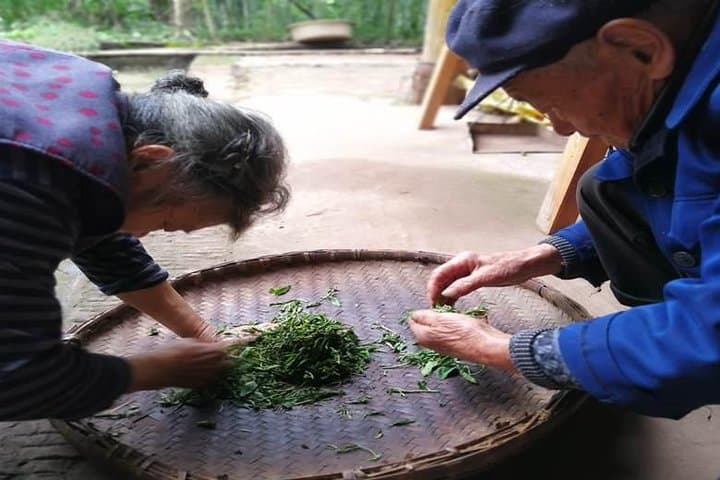
See the Leshan Giant Buddha from river and shore, wander a little-known ancient town, and learn tea picking and hand-processing with a local farmer. This full-day from Chengdu blends monumental history with bedside cultural encounters and hilltop green views.
See the Leshan Giant Buddha from river and shore, wander a little-known ancient town, and learn tea picking and hand-processing with a local farmer. This full-day from Chengdu blends monumental history with bedside cultural encounters and hilltop green views.
You step off the air-conditioned van and the three rivers are already speaking—water rubbing stone, urging the carved face above them into view. The Leshan Giant Buddha unrolls like a cliff-side secret, a calm colossus hewn into Lingyun Mountain where the Min, Dadu and Qingyi rivers meet.
Verified experiences and guided adventures in the surrounding area.
Operated by U2Panda · Leshan, Sichuan
You step off the air-conditioned van and the three rivers are already speaking—water rubbing stone, urging the carved face above them into view. The Leshan Giant Buddha unrolls like a cliff-side secret, a calm colossus hewn into Lingyun Mountain where the Min, Dadu and Qingyi rivers meet.
The Buddha was started in the Tang dynasty (8th century) to calm river currents that threatened local shipping; its scale still signals the region's historical grip on river trade and Buddhist practice. The nearby lost town carries a quieter history: a market and workshops that preserved pre-industrial crafts, from cotton-quilt makers to hand-forged shoes, and a tea culture that pushed Sichuan into China’s tea map during later dynasties.
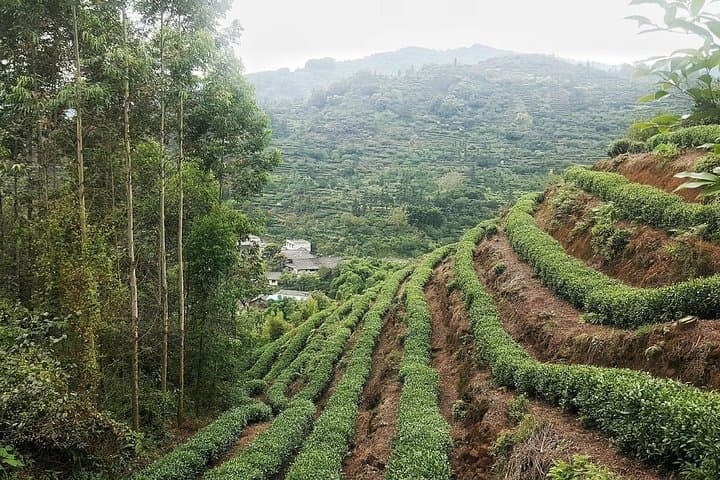
On this day tour you divide attention between monumental stone, human-scale households, and the green slopes of tea hills. A short boat ride gives a different angle on the Buddha, while the old tea house—operating since the Qing era—offers a direct line to local routines: card games, strong brew, and stories. Later a tea farmer leads you into terraces, where leaves ready for picking blur into the slope and the wind seems to test your grip as you pluck.
Practical side: expect about nine hours door-to-door from Chengdu, easy walking on paved and dirt surfaces, and several short drives. Bring sturdy walking shoes, cash for snacks and crafts, sun protection, and a reusable bottle. Be prepared to remove shoes for indoor family visits and to follow the guide’s lead when handling tea leaves—this is cultural exchange as much as sightseeing.
easy.
8–9 hours.
Suitable for most fitness levels; involves several short walks, some stairs, and light standing during demonstrations.
Yes—pickup from Chengdu hotels is included; specific pickup points and times are confirmed at booking.
The boat trip for viewing the Giant Buddha and related admissions listed in the itinerary are included—your booking confirmation will detail these inclusions.
Yes; the tea garden visit and hands-on tea processing are family-friendly, but children should be supervised on the terraces and near river viewpoints.
Guides can usually organize vegetarian or simple substitutions if notified at booking; bring specific dietary details in advance.
The Leshan Giant Buddha was carved into Lingyun Mountain beginning in the Tang dynasty (8th century) to calm river currents and protect local shipping; surrounding towns grew around river trade and tea production.
Tourism can strain riverbanks and village life—stay on designated paths, avoid over-picking tea, and support local families by buying crafts and snacks.
U2Panda operates guided outdoor trips and adventures with an emphasis on safety, stewardship, and memorable experiences.
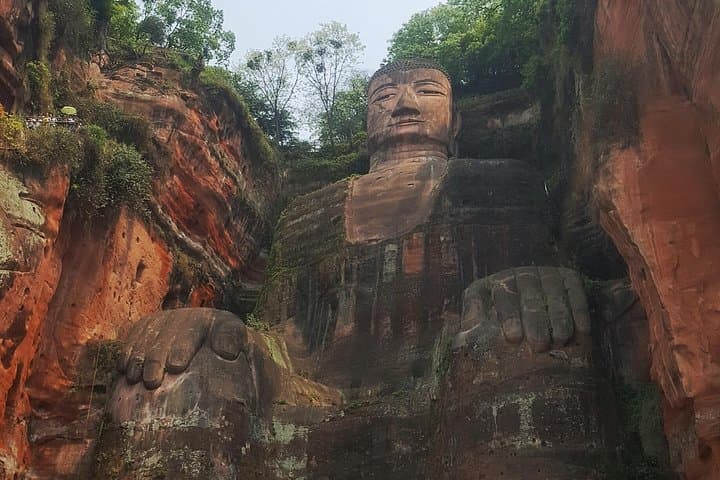
You step off the air-conditioned van and the three rivers are already speaking—water rubbing stone, urging the carved face above them into view. The Leshan Giant Buddha unrolls like a cliff-side secret, a calm colossus hewn into Lingyun Mountain where the Min, Dadu and Qingyi rivers meet.
You step off the air-conditioned van and the three rivers are already speaking—water rubbing stone, urging the carved face above them into view. The Leshan Giant Buddha unrolls like a cliff-side secret, a calm colossus hewn into Lingyun Mountain where the Min, Dadu and Qingyi rivers meet.
The Buddha was started in the Tang dynasty (8th century) to calm river currents that threatened local shipping; its scale still signals the region's historical grip on river trade and Buddhist practice. The nearby lost town carries a quieter history: a market and workshops that preserved pre-industrial crafts, from cotton-quilt makers to hand-forged shoes, and a tea culture that pushed Sichuan into China’s tea map during later dynasties.
On this day tour you divide attention between monumental stone, human-scale households, and the green slopes of tea hills. A short boat ride gives a different angle on the Buddha, while the old tea house—operating since the Qing era—offers a direct line to local routines: card games, strong brew, and stories. Later a tea farmer leads you into terraces, where leaves ready for picking blur into the slope and the wind seems to test your grip as you pluck.
Practical side: expect about nine hours door-to-door from Chengdu, easy walking on paved and dirt surfaces, and several short drives. Bring sturdy walking shoes, cash for snacks and crafts, sun protection, and a reusable bottle. Be prepared to remove shoes for indoor family visits and to follow the guide’s lead when handling tea leaves—this is cultural exchange as much as sightseeing.