THE ADVENTURE COLLECTIVE® · Independent discovery and booking for outdoor travel

Fly from Beijing for a single-day deep dive into Sichuan: stand before the world’s largest carved stone Buddha at Leshan, then visit the Chengdu Panda Breeding Base to see pandas across life stages. This private tour blends cultural sites with hands-on conservation viewing.
Fly from Beijing for a single-day deep dive into Sichuan: stand before the world’s largest carved stone Buddha at Leshan, then visit the Chengdu Panda Breeding Base to see pandas across life stages. This private tour blends cultural sites with hands-on conservation viewing.
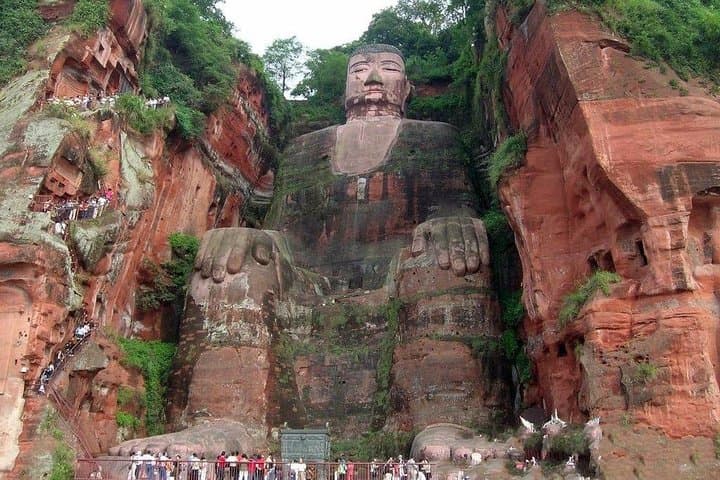
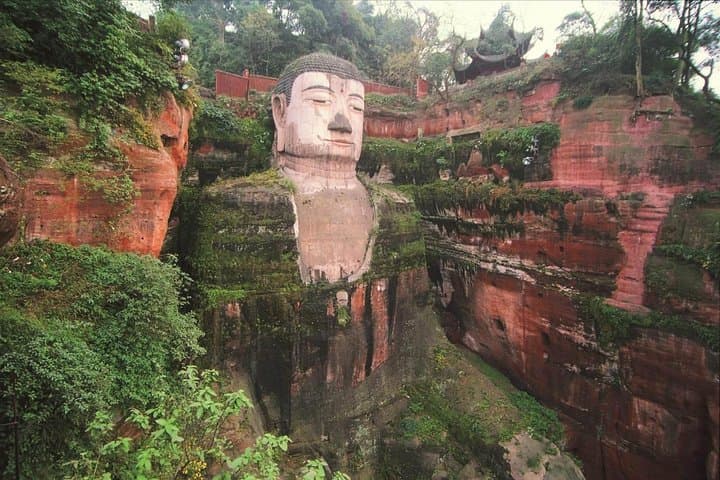
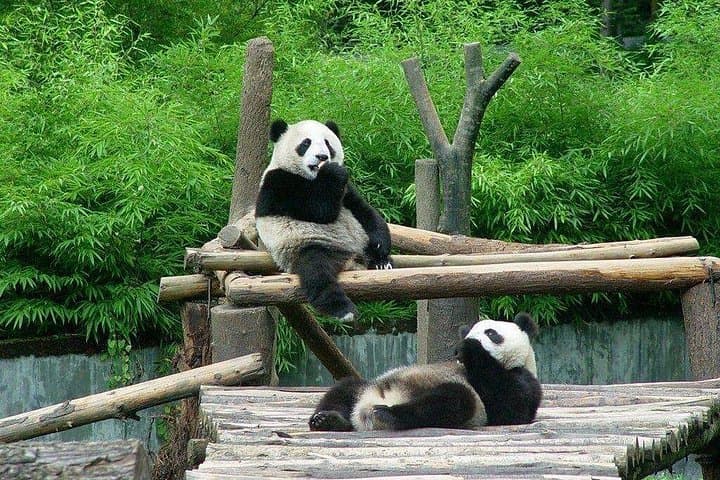
Dawn in Chengdu is a slow, wet breath; by mid-morning the airplane drops you into a compact Sichuan valley and the countryside unfurls—rice terraces, river bends, and the red tile roofs of small towns. The Leshan Giant Buddha looms off the river like a carved shore, its shoulder-length hair and folded hands carved into cliff rock that has watched three rivers meet for more than a millennium. Nearby, the panda base hums with the softer business of conservation: enclosures, baby nurseries and gentle keepers moving quietly among bamboo.
Verified experiences and guided adventures in the surrounding area.
Operated by Unique Beijing Tours · Leshan, Sichuan
Dawn in Chengdu is a slow, wet breath; by mid-morning the airplane drops you into a compact Sichuan valley and the countryside unfurls—rice terraces, river bends, and the red tile roofs of small towns. The Leshan Giant Buddha looms off the river like a carved shore, its shoulder-length hair and folded hands carved into cliff rock that has watched three rivers meet for more than a millennium. Nearby, the panda base hums with the softer business of conservation: enclosures, baby nurseries and gentle keepers moving quietly among bamboo.
The Buddha was begun in the Tang Dynasty (713 CE) to calm river spirits and completed about 90 years later; erosion, historical repair work and ingenious ancient drainage channels shaped both the statue and the surrounding cliffs. Geologically the site sits where tributaries slow and deposit silt, producing the broad views you scan from temple stairways and river cruises.
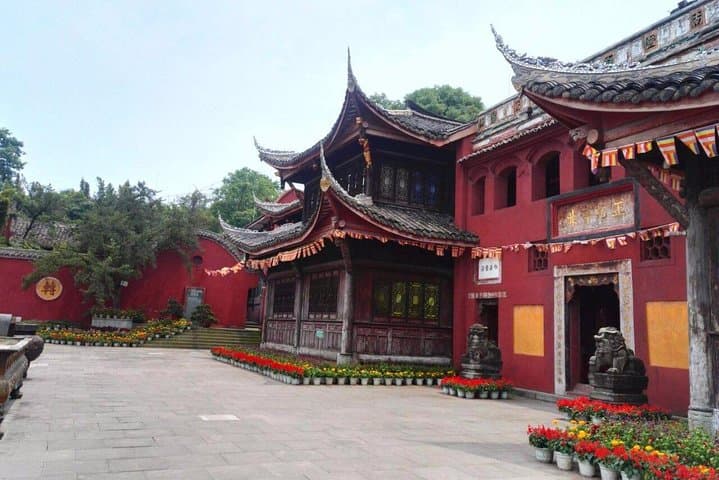
Culturally the region balances Buddhist pilgrimage with modern conservation science—temples, calligraphy and a museum at the panda base make the day a study in how ritual and research co-exist.
Practical guidance: expect a long day—8–10 hours including flights and transfers—comfortable walking shoes for temple stairs, a light rain shell for sudden showers, and patience for crowds at viewing platforms. Bring your passport and a camera with a good zoom lens for wildlife shots from a respectful distance. Hydrate between transfers and follow guide instructions at the panda base; viewing windows and timed feedings mean the best encounters are organized, not spontaneous.
easy.
8–10 hours.
Suitable for general fitness; involves walking on stairs and moderate standing periods
Entrance fees for listed sites are included in this private tour, but small cash is useful for snacks, souvenirs, or tips.
Yes, the tour offers the option to end in Chengdu—confirm when booking and ensure your onward travel is arranged.
Yes, the facility is family-friendly and accessible for strollers, though some paths may be uneven near exhibits.
Plan for moderate walking and stair climbs to reach temple viewpoints and river banks; people with limited mobility should notify the operator in advance.
Construction of the Leshan Giant Buddha began in 713 CE during the Tang Dynasty and took about 90 years to complete, driven by local monks aiming to calm turbulent river currents.
Chengdu Panda Base focuses on captive breeding and reintroduction research; visitors are asked to respect protocols that minimize stress on pandas and support long-term conservation efforts.
Unique Beijing Tours operates guided outdoor trips and adventures with an emphasis on safety, stewardship, and memorable experiences.
Dawn in Chengdu is a slow, wet breath; by mid-morning the airplane drops you into a compact Sichuan valley and the countryside unfurls—rice terraces, river bends, and the red tile roofs of small towns. The Leshan Giant Buddha looms off the river like a carved shore, its shoulder-length hair and folded hands carved into cliff rock that has watched three rivers meet for more than a millennium. Nearby, the panda base hums with the softer business of conservation: enclosures, baby nurseries and gentle keepers moving quietly among bamboo.
Dawn in Chengdu is a slow, wet breath; by mid-morning the airplane drops you into a compact Sichuan valley and the countryside unfurls—rice terraces, river bends, and the red tile roofs of small towns. The Leshan Giant Buddha looms off the river like a carved shore, its shoulder-length hair and folded hands carved into cliff rock that has watched three rivers meet for more than a millennium. Nearby, the panda base hums with the softer business of conservation: enclosures, baby nurseries and gentle keepers moving quietly among bamboo.
The Buddha was begun in the Tang Dynasty (713 CE) to calm river spirits and completed about 90 years later; erosion, historical repair work and ingenious ancient drainage channels shaped both the statue and the surrounding cliffs. Geologically the site sits where tributaries slow and deposit silt, producing the broad views you scan from temple stairways and river cruises.
Culturally the region balances Buddhist pilgrimage with modern conservation science—temples, calligraphy and a museum at the panda base make the day a study in how ritual and research co-exist.
Practical guidance: expect a long day—8–10 hours including flights and transfers—comfortable walking shoes for temple stairs, a light rain shell for sudden showers, and patience for crowds at viewing platforms. Bring your passport and a camera with a good zoom lens for wildlife shots from a respectful distance. Hydrate between transfers and follow guide instructions at the panda base; viewing windows and timed feedings mean the best encounters are organized, not spontaneous.