THE ADVENTURE COLLECTIVE® · Independent discovery and booking for outdoor travel

Experience an evening of song, dance and regional cuisine at Lesedi Cultural Village just outside Pretoria. This guided visit showcases Zulu, Xhosa, Pedi, Basotho and Ndebele traditions with interactive performances and a communal buffet.
Experience an evening of song, dance and regional cuisine at Lesedi Cultural Village just outside Pretoria. This guided visit showcases Zulu, Xhosa, Pedi, Basotho and Ndebele traditions with interactive performances and a communal buffet.
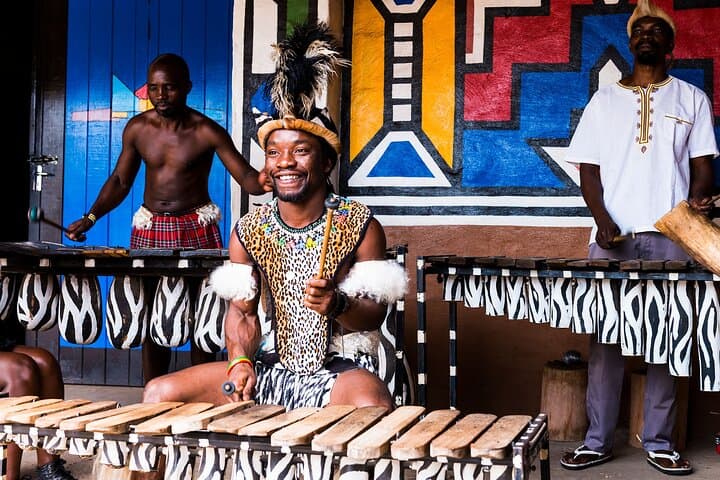
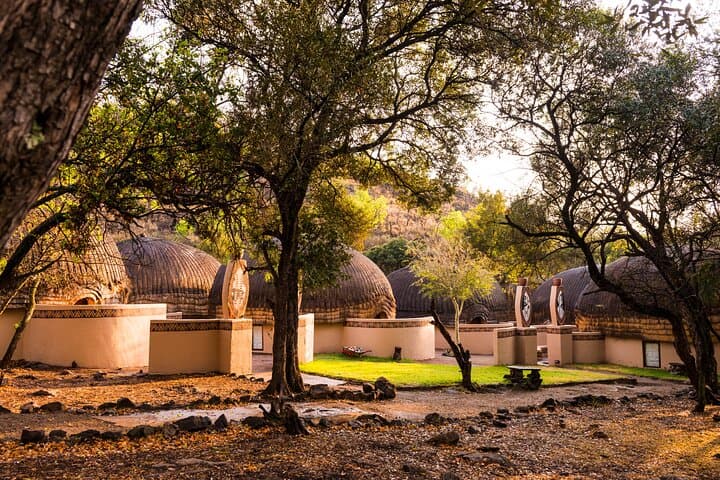
You arrive as the sun slides low across the Highveld, the air cooling and the thatch roofs of Lesedi’s homesteads taking on a warm, ember tone. Drums begin to call and the group you travel with gathers at a circular plaza; voices rise, dancers pivot, and the evening moves with a steady, human heartbeat. The place asks you to slow down and pay attention.
Verified experiences and guided adventures in the surrounding area.
Operated by Mmilo Tours · Broederstroom, Gauteng
You arrive as the sun slides low across the Highveld, the air cooling and the thatch roofs of Lesedi’s homesteads taking on a warm, ember tone. Drums begin to call and the group you travel with gathers at a circular plaza; voices rise, dancers pivot, and the evening moves with a steady, human heartbeat. The place asks you to slow down and pay attention.
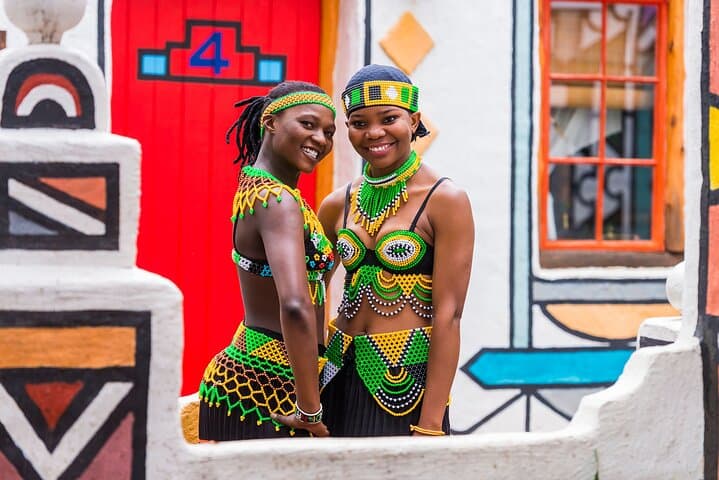
Lesedi Cultural Village interprets several southern African cultures—Zulu, Xhosa, Pedi, Basotho and Ndebele—through song, storytelling and food. The buildings are simple in form but detailed in craft, each homestead built with regionally specific patterns and pigments. Geologically, the village sits on Gauteng’s Highveld—grassy plains carved from ancient continental uplift, nearby to sites where paleoanthropologists have found early human fossils, anchoring this living culture in a deep landscape.
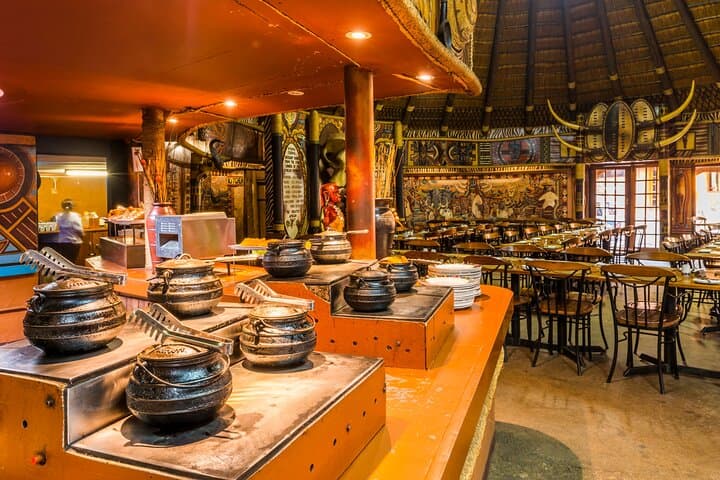
Guides use humor and hands-on demonstrations to explain marriage customs, beadwork language, and ceremonial dance, while a buffet-style dinner brings regional dishes—maize porridge, stews and salads—served family-style. Expect lively, participatory performances rather than passive observation; drumming circles and song invite guests to join.
Practically, plan for a half-day visit (about six hours including travel from Pretoria/Johannesburg). Wear comfortable shoes for walking across uneven yards, bring sun protection for daytime transfers and a light layer for evening breezes. Photography is welcome but be respectful—ask before shooting portraits. If you want a more intimate experience, book private transport and communicate dietary needs in advance. Lesedi is equal parts cultural immersion and practical staging—an accessible way to encounter living traditions and leave with a clearer sense of the region’s people and history.
easy.
6 hours.
Suitable for most fitness levels—requires only short periods of standing and walking
The scheduled activity is about six hours including transport; the on-site experience (performances and dinner) typically runs 2–3 hours.
The operator notes wheelchair accessibility for many areas and transport options, but confirm specific needs at booking to arrange logistics.
Yes—this is family-friendly and suitable for all ages; infants should sit on laps as per operator policy.
Photography is generally allowed; respectful behavior is requested and some portrait shots may require permission or small fees—ask the guide.
The village presents several ethnic traditions of southern Africa; it sits on Gauteng’s Highveld near paleo-anthropological sites where early human fossils have been found.
Lesedi supports living cultural heritage and local artisans—favoring responsible tourism practices, minimal single-use plastics, and respectful interactions with performers.
Mmilo Tours operates guided outdoor trips and adventures with an emphasis on safety, stewardship, and memorable experiences.
You arrive as the sun slides low across the Highveld, the air cooling and the thatch roofs of Lesedi’s homesteads taking on a warm, ember tone. Drums begin to call and the group you travel with gathers at a circular plaza; voices rise, dancers pivot, and the evening moves with a steady, human heartbeat. The place asks you to slow down and pay attention.
You arrive as the sun slides low across the Highveld, the air cooling and the thatch roofs of Lesedi’s homesteads taking on a warm, ember tone. Drums begin to call and the group you travel with gathers at a circular plaza; voices rise, dancers pivot, and the evening moves with a steady, human heartbeat. The place asks you to slow down and pay attention.
Lesedi Cultural Village interprets several southern African cultures—Zulu, Xhosa, Pedi, Basotho and Ndebele—through song, storytelling and food. The buildings are simple in form but detailed in craft, each homestead built with regionally specific patterns and pigments. Geologically, the village sits on Gauteng’s Highveld—grassy plains carved from ancient continental uplift, nearby to sites where paleoanthropologists have found early human fossils, anchoring this living culture in a deep landscape.
Guides use humor and hands-on demonstrations to explain marriage customs, beadwork language, and ceremonial dance, while a buffet-style dinner brings regional dishes—maize porridge, stews and salads—served family-style. Expect lively, participatory performances rather than passive observation; drumming circles and song invite guests to join.
Practically, plan for a half-day visit (about six hours including travel from Pretoria/Johannesburg). Wear comfortable shoes for walking across uneven yards, bring sun protection for daytime transfers and a light layer for evening breezes. Photography is welcome but be respectful—ask before shooting portraits. If you want a more intimate experience, book private transport and communicate dietary needs in advance. Lesedi is equal parts cultural immersion and practical staging—an accessible way to encounter living traditions and leave with a clearer sense of the region’s people and history.