THE ADVENTURE COLLECTIVE® · Independent discovery and booking for outdoor travel

This 12-day itinerary pairs the Lemosho Route ascent of Kilimanjaro with a classic northern Tanzania safari—summit Uhuru Peak, then seek lions, elephants and flamingos across Lake Manyara, Ngorongoro and Tarangire. Expect varied environments, guided camping on the mountain and game drives in well-managed parks.
This 12-day itinerary pairs the Lemosho Route ascent of Kilimanjaro with a classic northern Tanzania safari—summit Uhuru Peak, then seek lions, elephants and flamingos across Lake Manyara, Ngorongoro and Tarangire. Expect varied environments, guided camping on the mountain and game drives in well-managed parks.
You set off from Moshi at dawn, the city thinning behind you as a Land Cruiser climbs toward the shrouded Lemosho Glades. Forest smells tighten around the trail; streams chatter and the mountain—an enormous, slow-moving force—waits above the cloud line, daring you upward.
Verified experiences and guided adventures in the surrounding area.
Operated by Triple Africa Adventures · Moshi, Kilimanjaro Region
You set off from Moshi at dawn, the city thinning behind you as a Land Cruiser climbs toward the shrouded Lemosho Glades. Forest smells tighten around the trail; streams chatter and the mountain—an enormous, slow-moving force—waits above the cloud line, daring you upward.
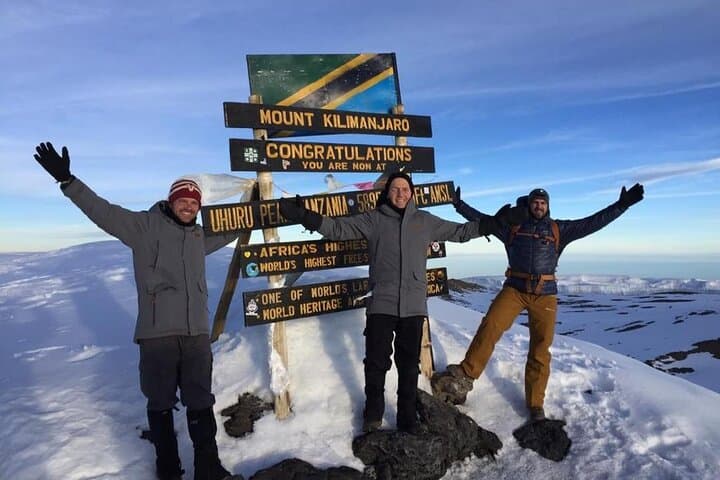
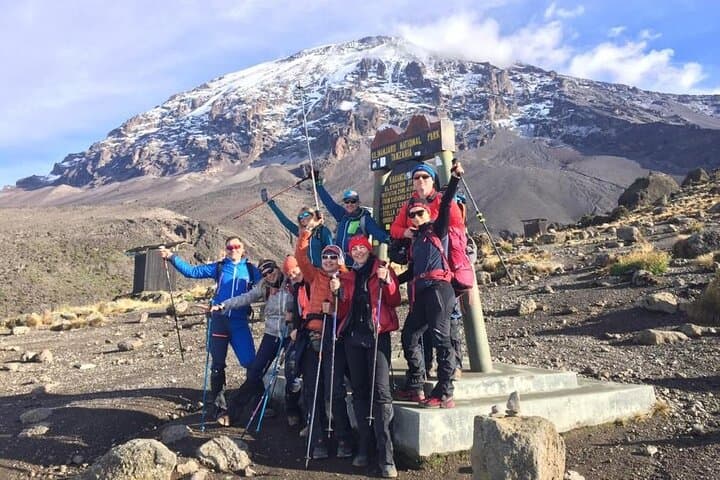
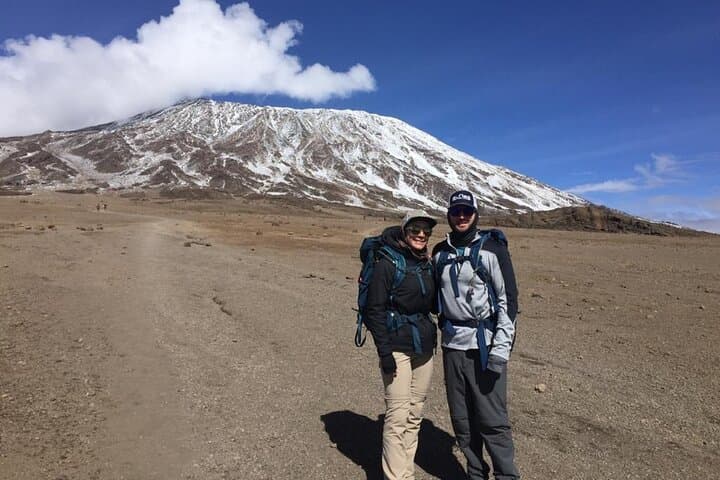
Kilimanjaro is a stratovolcano with three volcanic cones (Kibo, Mawenzi, Shira) whose geology traces ancient eruptions and a shrinking glacial crown. The Lemosho Route is prized for a gradual profile and diverse zones: rainforest, heather moorland, alpine desert and the final scree to Uhuru Peak. The safari portion traverses classic northern circuit habitats—acacia and mahogany woodland at Lake Manyara, the volcanic basin of Ngorongoro and the baobab-studded plains of Tarangire—where wildlife patterns are shaped by water, soil and season.
Local context matters: the Chagga and Maasai communities around Kilimanjaro and the conservation authorities managing national parks shape access, fees and ethical wildlife viewing. Porters, guides and cooks are part of the route economy; tipping and responsible behavior support them.
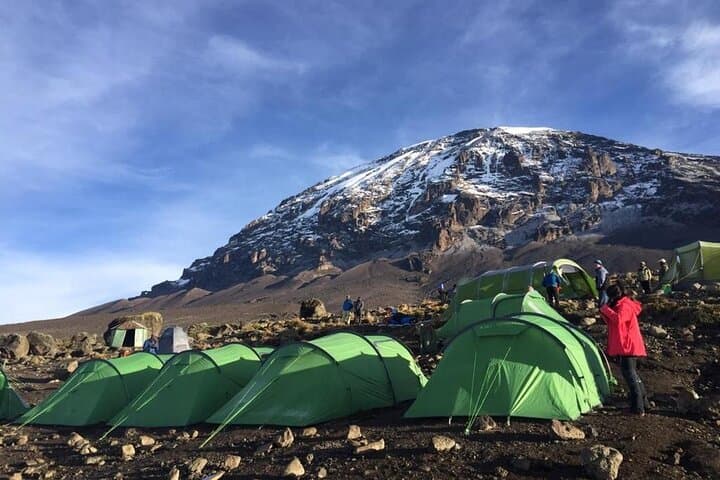
Practical guidance: allow the full 8 days on-mountain for acclimatization, bring layered insulation for summit night, and break in stiff, waterproof boots before departure. Hydration and a steady pace matter more than speed; summit nights start near midnight and can be subfreezing with high winds. Safari days are early morning and late afternoon drives—binoculars, sun protection and camera gear make long sightings more rewarding. Expect basic camping on-trail and comfortable lodges on safari; permits, park fees and most logistics are handled by the operator.
challenging.
12 days.
Good aerobic fitness with experience in multi-day hiking; ability to hike 5–8 hours a day at elevation and tolerate long summit night push.
Success depends on fitness, acclimatization and weather; the itinerary’s gradual Lemosho profile raises chances, but summit outcomes cannot be guaranteed.
Physically fit beginners can attempt it with proper training and by following guides’ pace, but prior multi-day hiking experience is recommended.
Guides monitor symptoms, use gradual ascent and carry oxygen and emergency plans; tell staff about past AMS history and consider consulting a physician before travel.
Porters typically carry up to 15 kg in shared loads; pack a small daypack with summit essentials and valuables to carry yourself.
Kilimanjaro’s peaks are remnants of volcanic activity millions of years old; Ngorongoro Crater formed when a giant volcano collapsed and is now a unique, enclosed wildlife basin.
Park fees and concessions fund anti-poaching, community programs and trail maintenance—stick to established paths, minimize waste and support local guides to reduce footprint.
Triple Africa Adventures operates guided outdoor trips and adventures with an emphasis on safety, stewardship, and memorable experiences.
You set off from Moshi at dawn, the city thinning behind you as a Land Cruiser climbs toward the shrouded Lemosho Glades. Forest smells tighten around the trail; streams chatter and the mountain—an enormous, slow-moving force—waits above the cloud line, daring you upward.
You set off from Moshi at dawn, the city thinning behind you as a Land Cruiser climbs toward the shrouded Lemosho Glades. Forest smells tighten around the trail; streams chatter and the mountain—an enormous, slow-moving force—waits above the cloud line, daring you upward.
Kilimanjaro is a stratovolcano with three volcanic cones (Kibo, Mawenzi, Shira) whose geology traces ancient eruptions and a shrinking glacial crown. The Lemosho Route is prized for a gradual profile and diverse zones: rainforest, heather moorland, alpine desert and the final scree to Uhuru Peak. The safari portion traverses classic northern circuit habitats—acacia and mahogany woodland at Lake Manyara, the volcanic basin of Ngorongoro and the baobab-studded plains of Tarangire—where wildlife patterns are shaped by water, soil and season.
Local context matters: the Chagga and Maasai communities around Kilimanjaro and the conservation authorities managing national parks shape access, fees and ethical wildlife viewing. Porters, guides and cooks are part of the route economy; tipping and responsible behavior support them.
Practical guidance: allow the full 8 days on-mountain for acclimatization, bring layered insulation for summit night, and break in stiff, waterproof boots before departure. Hydration and a steady pace matter more than speed; summit nights start near midnight and can be subfreezing with high winds. Safari days are early morning and late afternoon drives—binoculars, sun protection and camera gear make long sightings more rewarding. Expect basic camping on-trail and comfortable lodges on safari; permits, park fees and most logistics are handled by the operator.