THE ADVENTURE COLLECTIVE® · Independent discovery and booking for outdoor travel

A quieter western approach to Kilimanjaro, the 7-day Lemosho Route combines forested trails, high moorland and a dramatic summit night. This guided itinerary balances acclimatization with a strong summit push to Uhuru Peak.
A quieter western approach to Kilimanjaro, the 7-day Lemosho Route combines forested trails, high moorland and a dramatic summit night. This guided itinerary balances acclimatization with a strong summit push to Uhuru Peak.
Before dawn on day six you move like a slow, deliberate machine beneath a sky pulling itself from black to bruised blue. Headlamps pick out the scree while the summit waits above—an ice-capped cone that refuses to be hurried. The Lemosho Route opens with shaded glades and broad moorland, then climbs into desolate alpine desert and the glacier-scored rim of Kibo.
Verified experiences and guided adventures in the surrounding area.
Operated by Active Planet Safaris · Moshi, Kilimanjaro Region
Before dawn on day six you move like a slow, deliberate machine beneath a sky pulling itself from black to bruised blue. Headlamps pick out the scree while the summit waits above—an ice-capped cone that refuses to be hurried. The Lemosho Route opens with shaded glades and broad moorland, then climbs into desolate alpine desert and the glacier-scored rim of Kibo.
Geology here is raw: Kilimanjaro is a dormant stratovolcano with three volcanic cones (Kibo, Mawenzi, Shira). The route crosses Shira Plateau’s ancient lava flows, skirts the Lava Tower, and confronts scree to reach Barafu. Local Chagga and Maasai communities live on the mountain’s lower flanks, and porters and guides carry on long-established mountain-support traditions.
Expect varied terrain and daily changes in temperature and footing—forest trails, tussock moorland, volcanic rock, steep scree. Total elevation gain to Uhuru Peak is roughly 1,255 m from Barafu (4,640 m to 5,895 m) with several multi-hour summit pushes; daily hiking ranges from short acclimatization walks to an all-night summit of 12–15 hours round-trip.
Practical guidance: pace conservatively and prioritize sleep, hydration, and small frequent meals for acclimatization. Bring a warm layered system, sturdy boots with good ankle support, and crampon-compatible gaiters for icy sections. Start summit attempts around midnight to climb through pre-dawn firm snow and to reach Stella Point at sunrise. Be prepared for abrupt weather shifts, and trust experienced guides for route decisions and altitude management.
challenging.
7 days.
Good aerobic fitness and prior multi-day hiking experience recommended; ability to walk 6–10 hours on consecutive days and handle altitude fatigue.
No technical mountaineering is needed on the Lemosho route; the climb is non-technical but requires trekking fitness and good altitude management.
A 7-day profile improves acclimatization and tends to have a higher summit success than shorter itineraries, though success depends on fitness, acclimatization response, and weather.
Temperatures at Uhuru Peak can drop below -20°C with wind chill; layered insulation and a warm sleeping system are essential.
Tanzania requires certain routine vaccinations and park entry permits are included by most operators; confirm passport validity and any health requirements before travel.
Kilimanjaro’s volcanic cones formed over the last million years; the mountain has long been significant to local Chagga communities and was first summited in 1889 by Hans Meyer and Ludwig Purtscheller.
Mount Kilimanjaro National Park regulates access to protect fragile alpine ecosystems; trekkers should follow Leave No Trace, use established campsites, and support operators that pay fair wages to porters.
Active Planet Safaris operates guided outdoor trips and adventures with an emphasis on safety, stewardship, and memorable experiences.
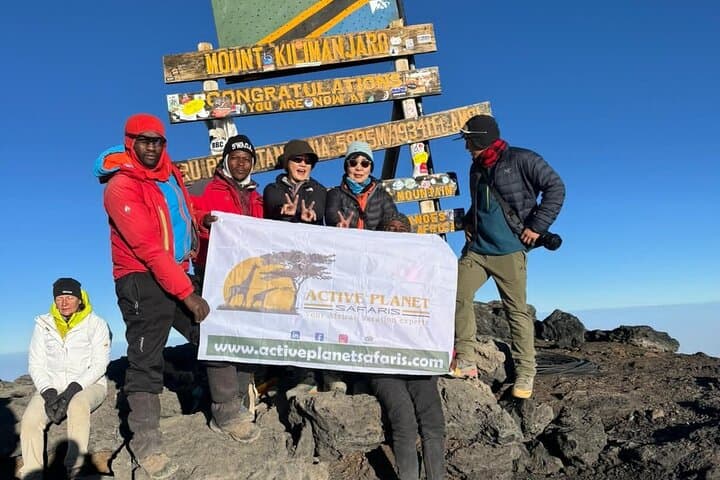
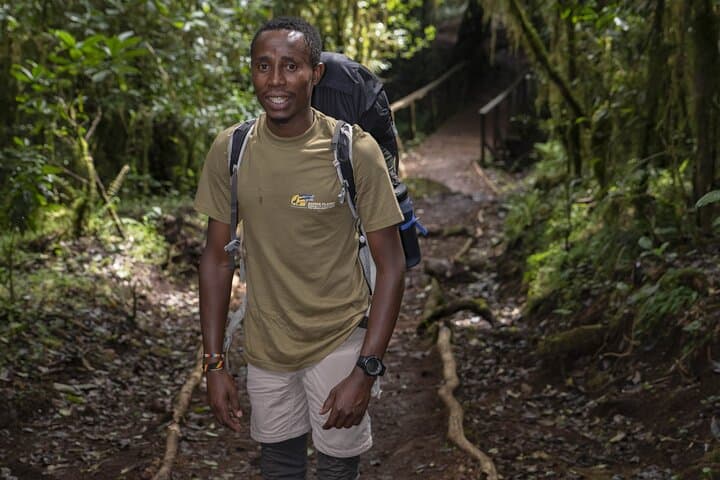
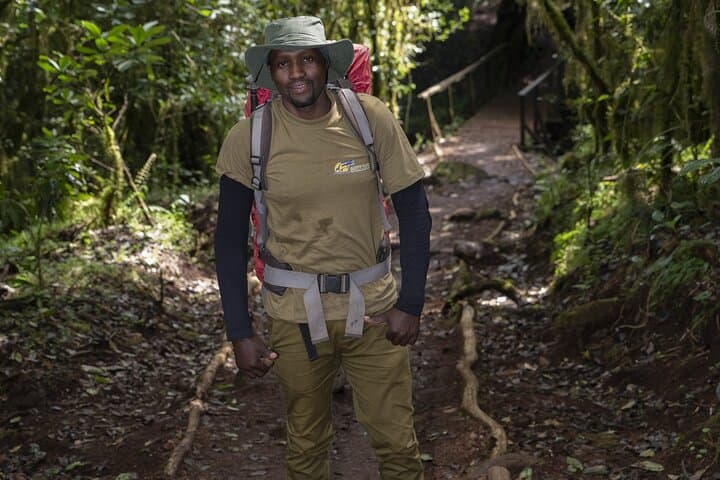
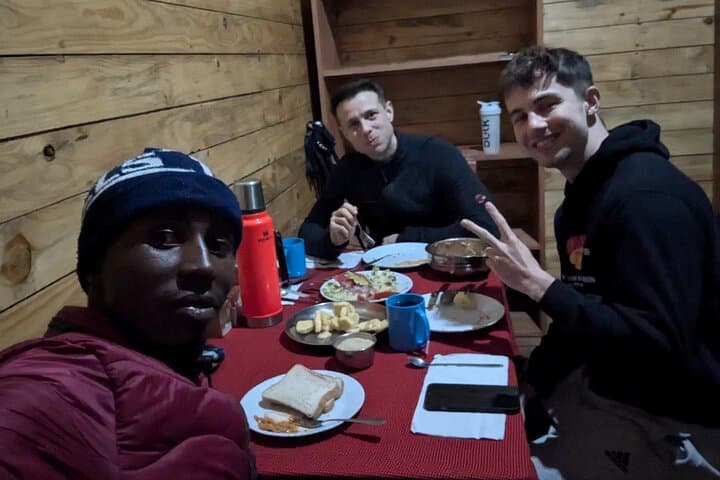
Before dawn on day six you move like a slow, deliberate machine beneath a sky pulling itself from black to bruised blue. Headlamps pick out the scree while the summit waits above—an ice-capped cone that refuses to be hurried. The Lemosho Route opens with shaded glades and broad moorland, then climbs into desolate alpine desert and the glacier-scored rim of Kibo.
Before dawn on day six you move like a slow, deliberate machine beneath a sky pulling itself from black to bruised blue. Headlamps pick out the scree while the summit waits above—an ice-capped cone that refuses to be hurried. The Lemosho Route opens with shaded glades and broad moorland, then climbs into desolate alpine desert and the glacier-scored rim of Kibo.
Geology here is raw: Kilimanjaro is a dormant stratovolcano with three volcanic cones (Kibo, Mawenzi, Shira). The route crosses Shira Plateau’s ancient lava flows, skirts the Lava Tower, and confronts scree to reach Barafu. Local Chagga and Maasai communities live on the mountain’s lower flanks, and porters and guides carry on long-established mountain-support traditions.
Expect varied terrain and daily changes in temperature and footing—forest trails, tussock moorland, volcanic rock, steep scree. Total elevation gain to Uhuru Peak is roughly 1,255 m from Barafu (4,640 m to 5,895 m) with several multi-hour summit pushes; daily hiking ranges from short acclimatization walks to an all-night summit of 12–15 hours round-trip.
Practical guidance: pace conservatively and prioritize sleep, hydration, and small frequent meals for acclimatization. Bring a warm layered system, sturdy boots with good ankle support, and crampon-compatible gaiters for icy sections. Start summit attempts around midnight to climb through pre-dawn firm snow and to reach Stella Point at sunrise. Be prepared for abrupt weather shifts, and trust experienced guides for route decisions and altitude management.