THE ADVENTURE COLLECTIVE® · Independent discovery and booking for outdoor travel

A 9-day Lemosho Route trek offers a gradual, scenic ascent of Mount Kilimanjaro from rainforest to alpine desert, finishing at Uhuru Peak. Expect long days, diverse ecosystems, and a summit push that rewards careful acclimatization.
A 9-day Lemosho Route trek offers a gradual, scenic ascent of Mount Kilimanjaro from rainforest to alpine desert, finishing at Uhuru Peak. Expect long days, diverse ecosystems, and a summit push that rewards careful acclimatization.
Dawn breaks on the western flank of Kilimanjaro and the rainforest exhales mist across the trail. You step out from Lemosho Gate beneath a canopy thick with moss and chatter; the path climbs steadily, trading dense green for open moorland and then the brittle, wind-bleached alpine desert. Each day the mountain changes tone—rainforest that seems alive with movement, a plateau of wind-sculpted rock, and finally the hard, thin air near the summit where glaciers hold their silence.
Verified experiences and guided adventures in the surrounding area.
Operated by Zungu travel · Moshi, Kilimanjaro Region
Dawn breaks on the western flank of Kilimanjaro and the rainforest exhales mist across the trail. You step out from Lemosho Gate beneath a canopy thick with moss and chatter; the path climbs steadily, trading dense green for open moorland and then the brittle, wind-bleached alpine desert. Each day the mountain changes tone—rainforest that seems alive with movement, a plateau of wind-sculpted rock, and finally the hard, thin air near the summit where glaciers hold their silence.
The Lemosho Route traces an older volcanic rim that gives long, gradual approaches and better acclimatization than many alternatives. The mountain’s geology reads as lava flows and eroded crater edges; local Chagga villages at the base have long-standing ties to the slopes, and porters and guides bring practical knowledge of weather shifts and terrain. Cultural stops in Moshi can orient you to Chagga coffee farms and Kilimanjaro’s role in Tanzanian identity.
Practical guidance: this is a high-altitude, multi-day expedition—expect daily hikes of 4–8 hours, rough camps, and a summit push beginning pre-dawn from Barafu to reach Uhuru Peak at 5,895 m. Prioritize gradual acclimatization, reliable footwear, layered insulation for summit night, and a strong 30–40L daypack. Hydrate proactively and follow your guide’s pacing; altitude, not technical difficulty, is the primary challenge. Summit success favors conservative pacing, nutrition, and listening to your body. End the trek by descending through changing ecosystems to Mweka and back to Moshi for certificates, hot showers, and the relief of having walked Africa’s roof.
challenging.
9 days.
Good cardiovascular fitness and endurance for daily hikes of 4–8 hours at increasing altitude
The route is non-technical but physically demanding; altitude and long days make it challenging—good fitness and prior multi-day trekking experience are recommended.
Dry seasons—late June to October and late December to February—offer more stable weather and clearer summit windows, though climbs are possible year-round.
Acute Mountain Sickness is a real risk; gradual acclimatization, hydration, a slow pace, and following your guide’s advice lower risk but cannot eliminate it.
Typical inclusions are park fees, full-board meals on the mountain, tents, porters, professional guides and cooks, transfers to/from Moshi, and a summit certificate for successful climbers.
Kilimanjaro is a dormant stratovolcano with a complex volcanic history; the slopes are home to Chagga communities who historically farmed and guided traders across the mountain’s lower forests.
Kilimanjaro National Park protects fragile alpine and forest ecosystems; follow pack-in/pack-out practices, stick to marked trails, and support fair wages and working conditions for porters and guides.
Zungu travel operates guided outdoor trips and adventures with an emphasis on safety, stewardship, and memorable experiences.
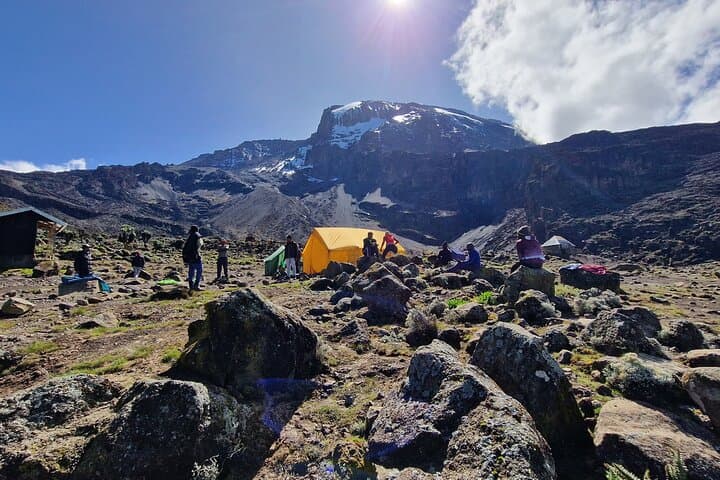
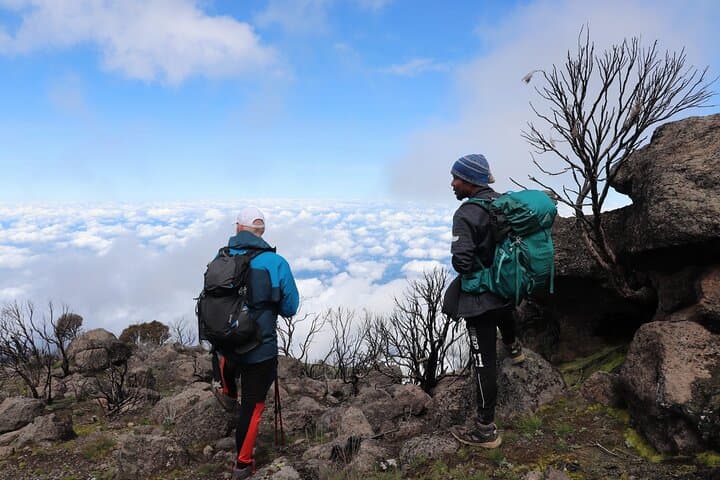
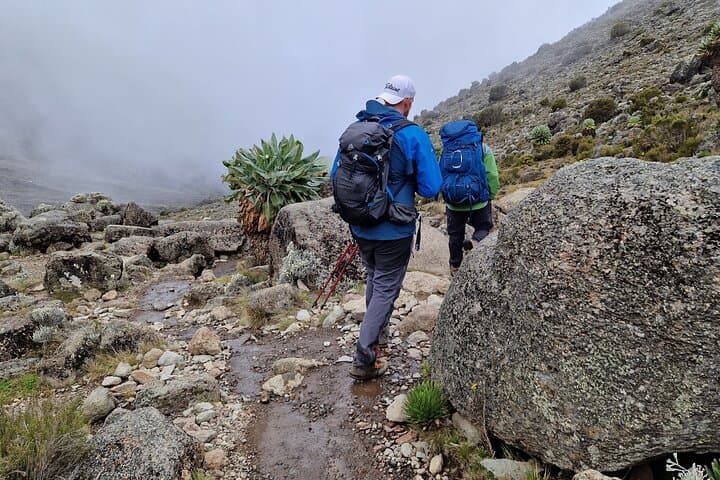
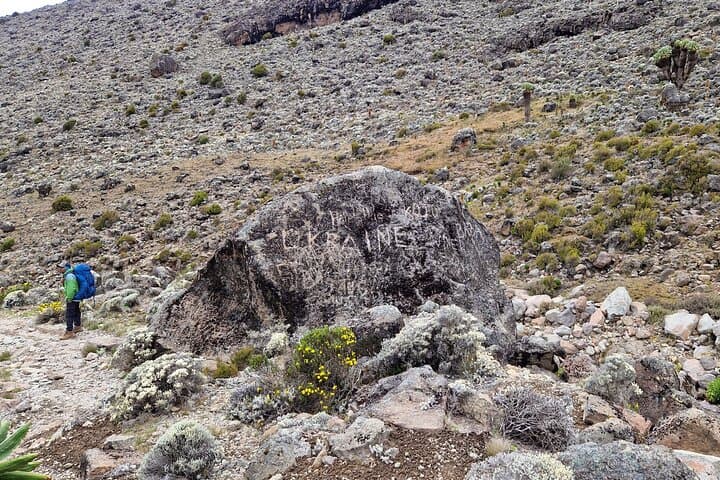
Dawn breaks on the western flank of Kilimanjaro and the rainforest exhales mist across the trail. You step out from Lemosho Gate beneath a canopy thick with moss and chatter; the path climbs steadily, trading dense green for open moorland and then the brittle, wind-bleached alpine desert. Each day the mountain changes tone—rainforest that seems alive with movement, a plateau of wind-sculpted rock, and finally the hard, thin air near the summit where glaciers hold their silence.
Dawn breaks on the western flank of Kilimanjaro and the rainforest exhales mist across the trail. You step out from Lemosho Gate beneath a canopy thick with moss and chatter; the path climbs steadily, trading dense green for open moorland and then the brittle, wind-bleached alpine desert. Each day the mountain changes tone—rainforest that seems alive with movement, a plateau of wind-sculpted rock, and finally the hard, thin air near the summit where glaciers hold their silence.
The Lemosho Route traces an older volcanic rim that gives long, gradual approaches and better acclimatization than many alternatives. The mountain’s geology reads as lava flows and eroded crater edges; local Chagga villages at the base have long-standing ties to the slopes, and porters and guides bring practical knowledge of weather shifts and terrain. Cultural stops in Moshi can orient you to Chagga coffee farms and Kilimanjaro’s role in Tanzanian identity.
Practical guidance: this is a high-altitude, multi-day expedition—expect daily hikes of 4–8 hours, rough camps, and a summit push beginning pre-dawn from Barafu to reach Uhuru Peak at 5,895 m. Prioritize gradual acclimatization, reliable footwear, layered insulation for summit night, and a strong 30–40L daypack. Hydrate proactively and follow your guide’s pacing; altitude, not technical difficulty, is the primary challenge. Summit success favors conservative pacing, nutrition, and listening to your body. End the trek by descending through changing ecosystems to Mweka and back to Moshi for certificates, hot showers, and the relief of having walked Africa’s roof.