THE ADVENTURE COLLECTIVE® · Independent discovery and booking for outdoor travel

An eight-day Lemosho ascent offers a gradual, scenic climb across rainforest, moorland and alpine desert with two extra nights for acclimatization. This itinerary includes rescue fees and pulse-ox monitoring—ideal for climbers focused on safe summit success.
An eight-day Lemosho ascent offers a gradual, scenic climb across rainforest, moorland and alpine desert with two extra nights for acclimatization. This itinerary includes rescue fees and pulse-ox monitoring—ideal for climbers focused on safe summit success.
Dawn on Kilimanjaro arrives slow and cool: mist lifts from the rainforest, porters’ silhouettes moving like a steady current as the trail narrows and the trees thin. On the Lemosho Route the first days feel intimate—ferns brush your legs and sunbeams find small clearings—until the landscape opens to heather, moorland and the vast, ragged shoulders of Kibo ahead.
Verified experiences and guided adventures in the surrounding area.
Operated by Tropical Jungle Safaris · Moshi, Kilimanjaro Region
Dawn on Kilimanjaro arrives slow and cool: mist lifts from the rainforest, porters’ silhouettes moving like a steady current as the trail narrows and the trees thin. On the Lemosho Route the first days feel intimate—ferns brush your legs and sunbeams find small clearings—until the landscape opens to heather, moorland and the vast, ragged shoulders of Kibo ahead.
Geologically Kilimanjaro is a dormant volcanic massif dominated by Kibo’s crater; the Lemosho approach climbs the western flank and merges with the Machame route around day three, trading thick jungle for alpine desert. The mountain sits on the border of Chagga country, whose coffee-growing terraces carpet the lower slopes and whose guides and porters bring decades of local trail knowledge.
Practically, this eight-day itinerary is built for acclimatization: two extra overnights (arrival night near Arusha and a return night post-climb) and inclusion of KINAPA-managed Kilimanjaro Rescue Team fees and pulse oximeter monitoring. Expect steep sections, loose scree near high camps and long, cold nights above 3,500 m. Pace matters—move “pole pole” (slowly) uphill, drink often and sleep layered.
Bring sturdy, broken-in boots, a warm down jacket, a reliable sleep system and a hydration setup. Start training with long hikes and stair repetitions 6–8 weeks out. Weather shifts quickly—sun can feel strong by day while wind and sub-zero temps bite at night. Permits, rescue coverage and experienced guides are standard; altitude remains the primary risk. With sensible pacing and basic gear, Lemosho is one of the most scenic, acclimatization-friendly ways to reach Uhuru Peak.
challenging.
8 days.
Good cardiovascular fitness and regular aerobic training recommended; prepare with long hikes, stair/slope work and back-to-back days of activity.
June–October and late December–February are the driest windows and most popular for clearer conditions; avoid the long rains in March–May if possible.
This itinerary includes two extra overnights to improve acclimatization—one arrival night near Arusha and an additional night on the mountain—reducing summit-day risk when combined with a slow pace.
Yes: Kilimanjaro Rescue Team (KINAPA) fees are included in this package, and guides carry pulse oximeters to monitor oxygen levels during the climb.
You should have at least moderate to good fitness, able to hike long days with elevation gain and carry a daypack; structured aerobic and hill training for 6–8 weeks prior is recommended.
Kilimanjaro’s peaks are remnants of volcanic activity; local Chagga communities have lived on its slopes for centuries and developed terraced agriculture in the lower elevations.
Park fees support conservation and permitted guiding helps minimize impact; stick to established camps and trails to reduce erosion and protect fragile alpine vegetation.
Tropical Jungle Safaris operates guided outdoor trips and adventures with an emphasis on safety, stewardship, and memorable experiences.
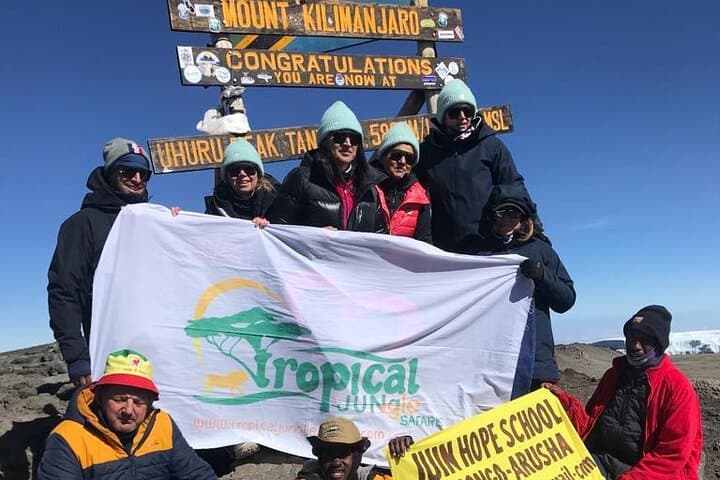
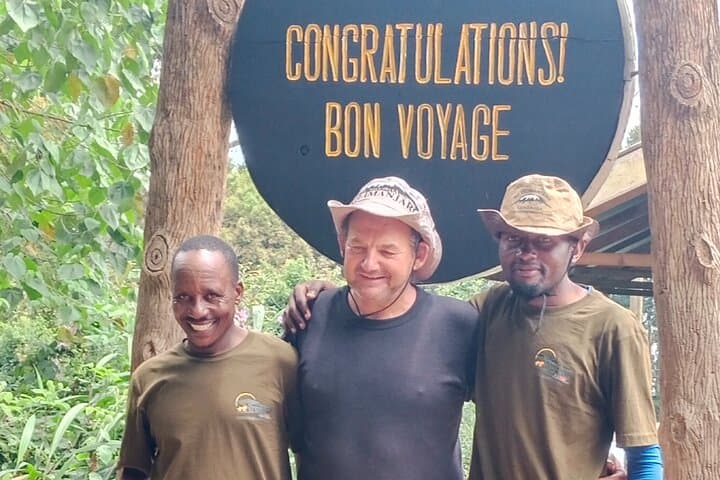
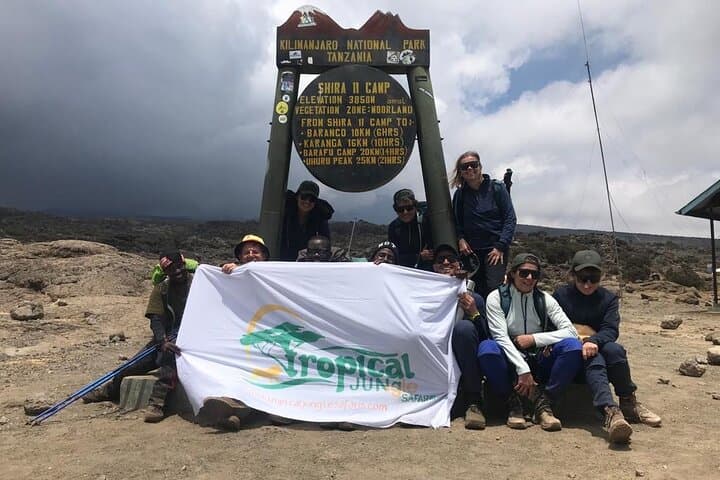

Dawn on Kilimanjaro arrives slow and cool: mist lifts from the rainforest, porters’ silhouettes moving like a steady current as the trail narrows and the trees thin. On the Lemosho Route the first days feel intimate—ferns brush your legs and sunbeams find small clearings—until the landscape opens to heather, moorland and the vast, ragged shoulders of Kibo ahead.
Dawn on Kilimanjaro arrives slow and cool: mist lifts from the rainforest, porters’ silhouettes moving like a steady current as the trail narrows and the trees thin. On the Lemosho Route the first days feel intimate—ferns brush your legs and sunbeams find small clearings—until the landscape opens to heather, moorland and the vast, ragged shoulders of Kibo ahead.
Geologically Kilimanjaro is a dormant volcanic massif dominated by Kibo’s crater; the Lemosho approach climbs the western flank and merges with the Machame route around day three, trading thick jungle for alpine desert. The mountain sits on the border of Chagga country, whose coffee-growing terraces carpet the lower slopes and whose guides and porters bring decades of local trail knowledge.
Practically, this eight-day itinerary is built for acclimatization: two extra overnights (arrival night near Arusha and a return night post-climb) and inclusion of KINAPA-managed Kilimanjaro Rescue Team fees and pulse oximeter monitoring. Expect steep sections, loose scree near high camps and long, cold nights above 3,500 m. Pace matters—move “pole pole” (slowly) uphill, drink often and sleep layered.
Bring sturdy, broken-in boots, a warm down jacket, a reliable sleep system and a hydration setup. Start training with long hikes and stair repetitions 6–8 weeks out. Weather shifts quickly—sun can feel strong by day while wind and sub-zero temps bite at night. Permits, rescue coverage and experienced guides are standard; altitude remains the primary risk. With sensible pacing and basic gear, Lemosho is one of the most scenic, acclimatization-friendly ways to reach Uhuru Peak.