THE ADVENTURE COLLECTIVE® · Independent discovery and booking for outdoor travel

Choose the Lemosho route for a quieter, well-paced 8-day ascent of Kilimanjaro that moves through rainforest, the Shira Plateau, Barranco and a midnight summit push from Barafu. This private itinerary focuses on acclimatization, camp comfort and a descent via Mweka.
Choose the Lemosho route for a quieter, well-paced 8-day ascent of Kilimanjaro that moves through rainforest, the Shira Plateau, Barranco and a midnight summit push from Barafu. This private itinerary focuses on acclimatization, camp comfort and a descent via Mweka.
Dawn arrives on Kilimanjaro as mist peels off the rainforest and the trail ahead glows damp and green. On the Lemosho route the first steps are among towering moss and giant lobelias; the path climbs from 2,100m up into moorland and wide, high plateaus where wind scratches the sky.
Verified experiences and guided adventures in the surrounding area.
Operated by Kilimanjaro Vikings Adventures · Moshi, Kilimanjaro Region
Dawn arrives on Kilimanjaro as mist peels off the rainforest and the trail ahead glows damp and green. On the Lemosho route the first steps are among towering moss and giant lobelias; the path climbs from 2,100m up into moorland and wide, high plateaus where wind scratches the sky.
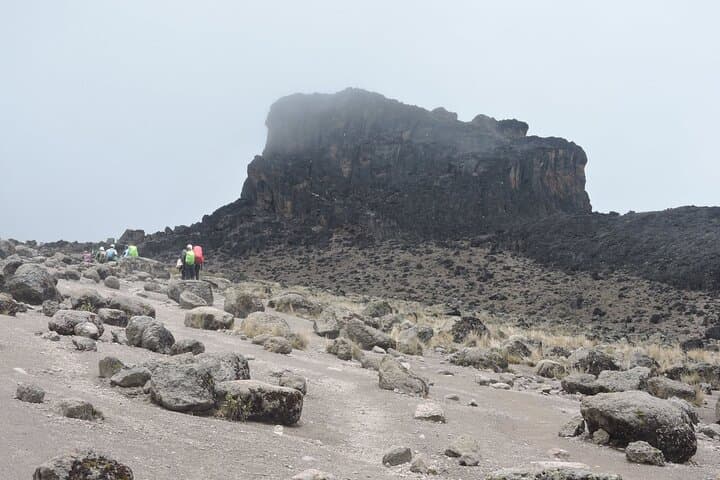
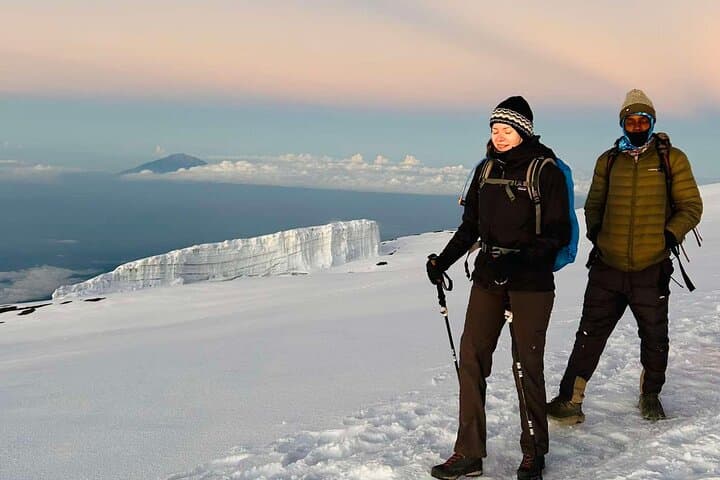
This western approach was developed to ease acclimatization and avoid crowded trails. Geologically Kilimanjaro is a dormant stratovolcano with three cones—Kibo, Mawenzi and Shira—whose glacial remnants sketch the final ridge toward Uhuru Peak (5,895m). The route threads cloud forest, the Shira Plateau, the Lava Tower (4,600m) for acclimatization, Barranco’s sculpted walls and the exposed Barafu camp before a midnight push to the summit. Moshi town provides the cultural gateway: Chagga hospitality, guide teams, cooks and porters are central to the climb and to local livelihoods.
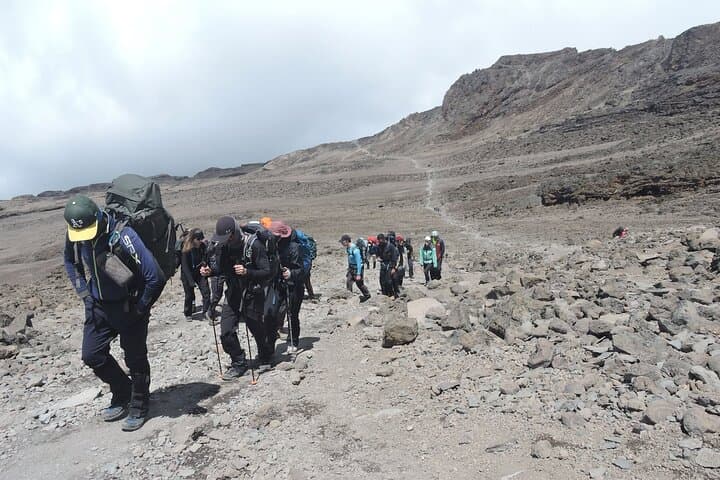
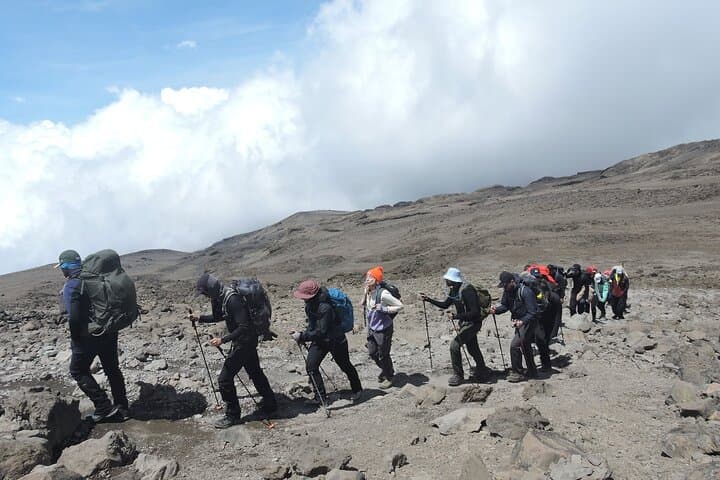
Practically, expect daily hikes of 3–7 hours on mixed forest, moorland, scree and rocky talus, with altitude gains like 650m on day one and a summit day climb of ~1,295m from Barafu over 4.9km taking 6–7 hours. Sleeping is in tents; food and water, park permits, oxygen and a pulse oximeter are included. Acclimatize deliberately, carry layers, and plan for a cold, pre-dawn summit start (~11pm). Hydrate, use trekking poles on descents, and let guides pace the ascent—turning back early is the right call if symptoms of altitude illness appear.
The Lemosho route is quieter, longer and gives better acclimatization—ideal for hikers who want a measured path to Africa’s roof.
challenging.
8 days.
Good aerobic fitness with prior multi-day hiking experience; ability to hike 4–7 hours on consecutive days and handle high altitude.
Success depends on fitness, acclimatization and weather; the 8-day Lemosho itinerary improves odds by adding acclimatization time but there are no guarantees—listen to guides and prioritize safety.
No technical mountaineering skills are required for the standard Lemosho-Barafu-Uhuru route, but experience with long hikes and high altitude is important.
Typical inclusions are park fees, tents, meals on the mountain, transport from Moshi, guides, porters, oxygen canister and a pulse oximeter as noted in the itinerary.
This route is not recommended for pregnant travelers or those with significant heart or spinal issues; guests should have moderate to strong fitness and consult a physician for altitude-related risks.
Kilimanjaro’s routes follow paths used by local Chagga communities for centuries; modern commercial trekking expanded in the 20th century with established gate systems and conservation zones.
The mountain is a protected national park; stick to trails, avoid litter, respect porter welfare and consider operators who follow fair porter policies and leave-no-trace practices.
Kilimanjaro Vikings Adventures operates guided outdoor trips and adventures with an emphasis on safety, stewardship, and memorable experiences.
Dawn arrives on Kilimanjaro as mist peels off the rainforest and the trail ahead glows damp and green. On the Lemosho route the first steps are among towering moss and giant lobelias; the path climbs from 2,100m up into moorland and wide, high plateaus where wind scratches the sky.
Dawn arrives on Kilimanjaro as mist peels off the rainforest and the trail ahead glows damp and green. On the Lemosho route the first steps are among towering moss and giant lobelias; the path climbs from 2,100m up into moorland and wide, high plateaus where wind scratches the sky.
This western approach was developed to ease acclimatization and avoid crowded trails. Geologically Kilimanjaro is a dormant stratovolcano with three cones—Kibo, Mawenzi and Shira—whose glacial remnants sketch the final ridge toward Uhuru Peak (5,895m). The route threads cloud forest, the Shira Plateau, the Lava Tower (4,600m) for acclimatization, Barranco’s sculpted walls and the exposed Barafu camp before a midnight push to the summit. Moshi town provides the cultural gateway: Chagga hospitality, guide teams, cooks and porters are central to the climb and to local livelihoods.
Practically, expect daily hikes of 3–7 hours on mixed forest, moorland, scree and rocky talus, with altitude gains like 650m on day one and a summit day climb of ~1,295m from Barafu over 4.9km taking 6–7 hours. Sleeping is in tents; food and water, park permits, oxygen and a pulse oximeter are included. Acclimatize deliberately, carry layers, and plan for a cold, pre-dawn summit start (~11pm). Hydrate, use trekking poles on descents, and let guides pace the ascent—turning back early is the right call if symptoms of altitude illness appear.
The Lemosho route is quieter, longer and gives better acclimatization—ideal for hikers who want a measured path to Africa’s roof.