THE ADVENTURE COLLECTIVE® · Independent discovery and booking for outdoor travel

A private 8‑day ascent of Kilimanjaro via the scenic Lemosho Route, combining rainforest, the Shira Plateau and a summit push from Barafu. Expect tented camps, a steep pre-dawn summit climb and full support from guides and crew.
A private 8‑day ascent of Kilimanjaro via the scenic Lemosho Route, combining rainforest, the Shira Plateau and a summit push from Barafu. Expect tented camps, a steep pre-dawn summit climb and full support from guides and crew.
You set out from Arusha before dawn, the silhouette of Mt. Meru dropping away from the lodge as the van threads farmland toward the Lemosho trailhead. The forest swallows the path at first: trunks and moss lean in with the hush of rain on leaves, then the trail opens and the Shira Plateau unfurls — a broad, windswept shoulder that feels older than footsteps.
Verified experiences and guided adventures in the surrounding area.
Operated by Afromasai Eastern Safaris · Arusha, Arusha Region
You set out from Arusha before dawn, the silhouette of Mt. Meru dropping away from the lodge as the van threads farmland toward the Lemosho trailhead. The forest swallows the path at first: trunks and moss lean in with the hush of rain on leaves, then the trail opens and the Shira Plateau unfurls — a broad, windswept shoulder that feels older than footsteps.
Geology and people shape every step. Kilimanjaro is a dormant volcanic massif with three cones — Shira, Mawenzi and Kibo — and the climb follows lava flows, heather moorland and high alpine scree. The Chagga communities on the lower slopes maintain terraced farms and coffee plots; you'll pass villages and see traditional stone and thatch houses that reflect long ties to the mountain.
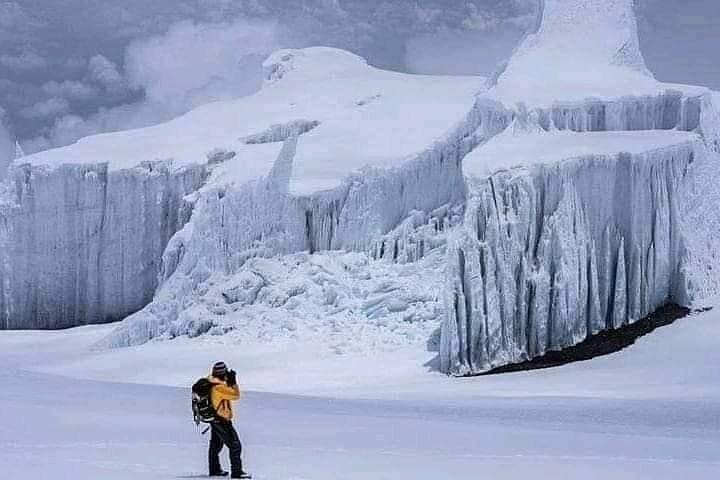
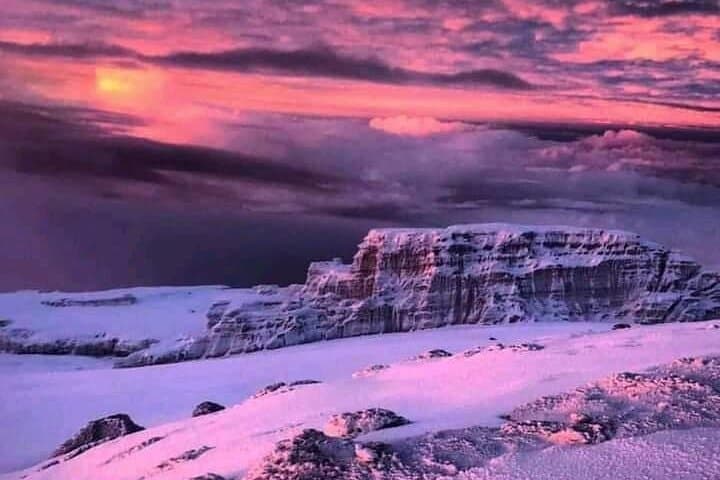
The route is deliberate: forest to moorland, then lava towers and the Barranco Wall, before a cold, thin final push from Barafu to Stella Point and Uhuru Peak. Glaciers still cling to the summit ridges but have receded noticeably in recent decades — a stark lesson in climate change.
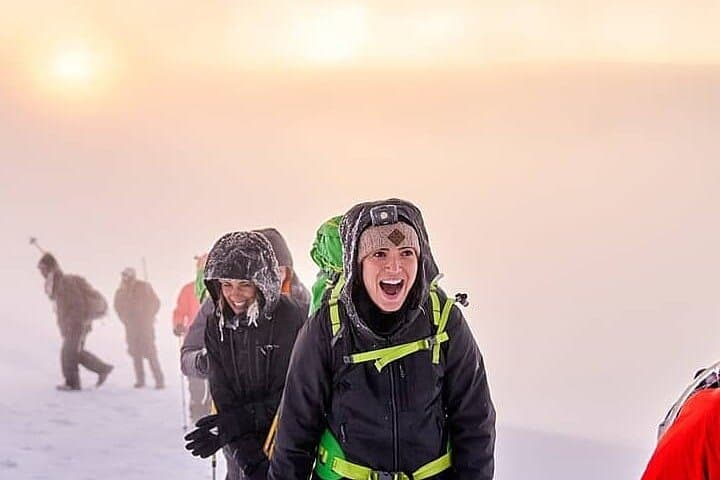
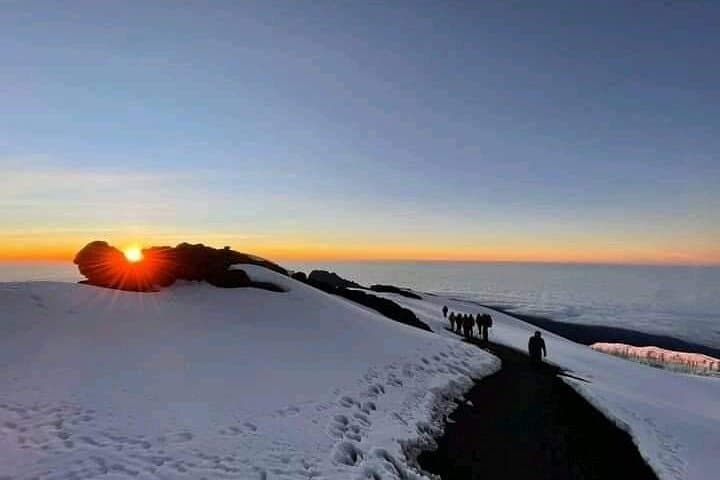
Practical edge: pace is everything — walk slow, sleep higher when possible, drink regularly and monitor symptoms of altitude sickness. Nights are in tents at established camps; food and crew support are provided on this private itinerary, but thermal layers, a sturdy sleeping bag and tuned trekking boots are non-negotiable. Summit nights start around 1 a.m.; expect long hours on loose volcanic scree and dazzling sunrise from the crater rim. With proper preparation the Lemosho route rewards you with solitude, varied terrain and a summit earned step by patient step.
challenging.
8–9 days.
Requires good aerobic fitness, prior multi-day backpacking experience helps; ability to carry a daypack on steep, high-altitude terrain is necessary.
No technical ice climbing skills are required; standard high-altitude trekking gear suffices, although guides may carry ice axes or crampons if conditions demand.
The route staggers altitude gain with nights spent at progressively higher camps and includes acclimatization walks; the longer itinerary increases summit success and reduces AMS risk.
Yes — this private itinerary includes catered meals and crew-supplied two-person tents at established camps as part of the package.
Climbing Kilimanjaro requires park permits and identification; your operator handles permits but you must provide passport details and proof of required travel insurance.
Kilimanjaro’s cones record a volcanic history spanning hundreds of thousands of years; the mountain has long cultural significance for the Chagga people who farm its slopes.
Glacial retreat is visible on the summit and park authorities regulate access and waste management—travelers should pack out what they pack in and follow Leave No Trace practices.
Afromasai Eastern Safaris operates guided outdoor trips and adventures with an emphasis on safety, stewardship, and memorable experiences.
You set out from Arusha before dawn, the silhouette of Mt. Meru dropping away from the lodge as the van threads farmland toward the Lemosho trailhead. The forest swallows the path at first: trunks and moss lean in with the hush of rain on leaves, then the trail opens and the Shira Plateau unfurls — a broad, windswept shoulder that feels older than footsteps.
You set out from Arusha before dawn, the silhouette of Mt. Meru dropping away from the lodge as the van threads farmland toward the Lemosho trailhead. The forest swallows the path at first: trunks and moss lean in with the hush of rain on leaves, then the trail opens and the Shira Plateau unfurls — a broad, windswept shoulder that feels older than footsteps.
Geology and people shape every step. Kilimanjaro is a dormant volcanic massif with three cones — Shira, Mawenzi and Kibo — and the climb follows lava flows, heather moorland and high alpine scree. The Chagga communities on the lower slopes maintain terraced farms and coffee plots; you'll pass villages and see traditional stone and thatch houses that reflect long ties to the mountain.
The route is deliberate: forest to moorland, then lava towers and the Barranco Wall, before a cold, thin final push from Barafu to Stella Point and Uhuru Peak. Glaciers still cling to the summit ridges but have receded noticeably in recent decades — a stark lesson in climate change.
Practical edge: pace is everything — walk slow, sleep higher when possible, drink regularly and monitor symptoms of altitude sickness. Nights are in tents at established camps; food and crew support are provided on this private itinerary, but thermal layers, a sturdy sleeping bag and tuned trekking boots are non-negotiable. Summit nights start around 1 a.m.; expect long hours on loose volcanic scree and dazzling sunrise from the crater rim. With proper preparation the Lemosho route rewards you with solitude, varied terrain and a summit earned step by patient step.