THE ADVENTURE COLLECTIVE® · Independent discovery and booking for outdoor travel

A seven-day Lemosho ascent offers some of Kilimanjaro’s best acclimatization and scenery—Shira Plateau, Lava Tower and the Barranco Wall—culminating in a pre-dawn push to Uhuru Peak. Read on for what to expect on trail, seasonal timing, and practical packing advice.
A seven-day Lemosho ascent offers some of Kilimanjaro’s best acclimatization and scenery—Shira Plateau, Lava Tower and the Barranco Wall—culminating in a pre-dawn push to Uhuru Peak. Read on for what to expect on trail, seasonal timing, and practical packing advice.
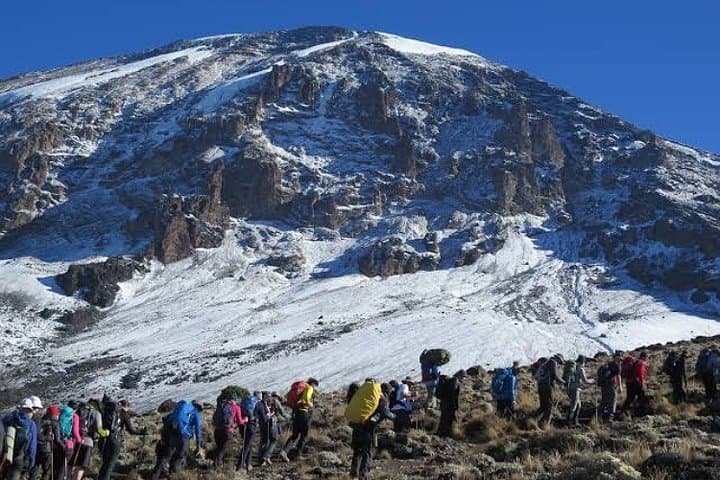
You leave Moshi before dawn, the road narrowing as farmland gives way to montane forest. By the time your boots touch the Shira Plateau the air is thinner and colder; clouds braid around Kibo’s flanks and the mountain’s stony profile grows more demanding with every switchback.
Verified experiences and guided adventures in the surrounding area.
Operated by SEASON MASTER ADVENTURES · Moshi, Kilimanjaro Region
You leave Moshi before dawn, the road narrowing as farmland gives way to montane forest. By the time your boots touch the Shira Plateau the air is thinner and colder; clouds braid around Kibo’s flanks and the mountain’s stony profile grows more demanding with every switchback.
Kilimanjaro is a composite volcanic massif made of three cones—Shira, Mawenzi and Kibo—whose ice fields record long cycles of climate change. The Lemosho Route approaches from the west, threading moorland, lava towers and the Great Barranco before the scree grind to Barafu and the pre-dawn push for Uhuru Peak (5,895 m). The route’s relative remoteness and gradual profile give it a higher summit success rate than older lines, and the porters, guides and camps follow patterns shaped by the Kilimanjaro National Park Authority and local Chagga and Maasai communities.
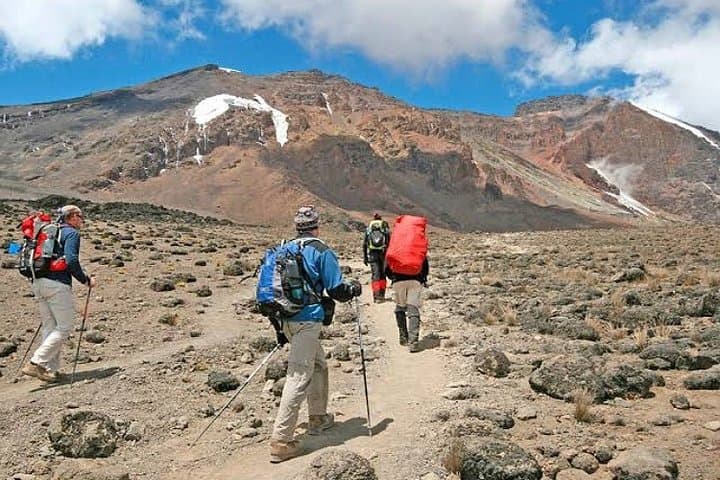
Practically, expect seven full days of trekking, a mix of steady uphill sections and short steep pitches, and one long summit night: plan for severe cold, strong sun and sudden weather shifts. Acclimatization is the trip’s hinge—move slowly, hydrate, and use the provided crew and briefings. Good leather boots, layered insulating clothing, trekking poles and a reliable headlamp make the difference on Barafu’s scree and the midnight ascent.
Pack for polar nights and rainforest days, schedule your climb in the dry windows (Jan–Mar or Jun–Oct), and choose an operator that emphasizes porter welfare and waste management. If you pace properly, the crater rim at sunrise is a clear, silent reward.
challenging.
7 days.
Good cardiovascular fitness and experience with multi-day hikes at altitude; ability to carry a daypack and hike 6–8 hours daily.
No technical rock or glacier skills are required; the route is non-technical but demands fitness, acclimatization and the ability to hike on scree.
The two primary windows are Jan–Mar and Jun–Oct—the driest periods with the most stable summit weather.
Reputable operators include KINAPA park fees, guides, porters and camping equipment—confirm inclusions before booking.
Summit temperatures commonly range from -10°C to -20°C with wind chill; proper insulation and windproof layers are essential.
Kilimanjaro is a composite volcano; the first recorded ascent of Uhuru Peak was in 1889. Routes expanded as tourism and park management evolved to spread impact.
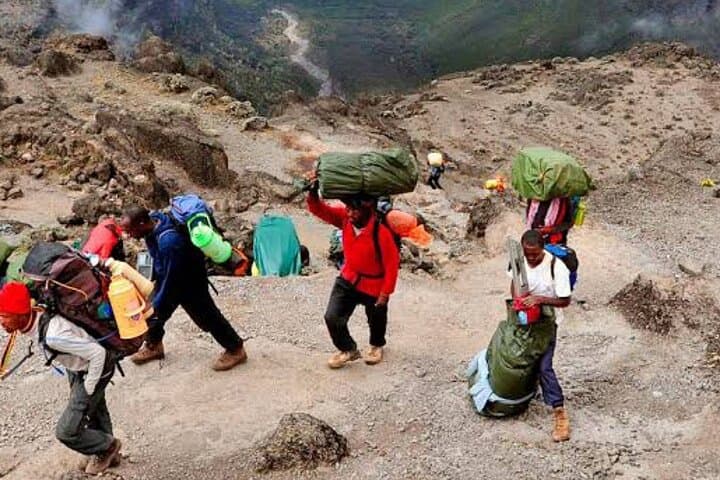
Choose operators that follow KINAPA waste rules, carry out human waste where required, and pay fair wages to porters to reduce environmental and social impacts.
SEASON MASTER ADVENTURES operates guided outdoor trips and adventures with an emphasis on safety, stewardship, and memorable experiences.
You leave Moshi before dawn, the road narrowing as farmland gives way to montane forest. By the time your boots touch the Shira Plateau the air is thinner and colder; clouds braid around Kibo’s flanks and the mountain’s stony profile grows more demanding with every switchback.
You leave Moshi before dawn, the road narrowing as farmland gives way to montane forest. By the time your boots touch the Shira Plateau the air is thinner and colder; clouds braid around Kibo’s flanks and the mountain’s stony profile grows more demanding with every switchback.
Kilimanjaro is a composite volcanic massif made of three cones—Shira, Mawenzi and Kibo—whose ice fields record long cycles of climate change. The Lemosho Route approaches from the west, threading moorland, lava towers and the Great Barranco before the scree grind to Barafu and the pre-dawn push for Uhuru Peak (5,895 m). The route’s relative remoteness and gradual profile give it a higher summit success rate than older lines, and the porters, guides and camps follow patterns shaped by the Kilimanjaro National Park Authority and local Chagga and Maasai communities.
Practically, expect seven full days of trekking, a mix of steady uphill sections and short steep pitches, and one long summit night: plan for severe cold, strong sun and sudden weather shifts. Acclimatization is the trip’s hinge—move slowly, hydrate, and use the provided crew and briefings. Good leather boots, layered insulating clothing, trekking poles and a reliable headlamp make the difference on Barafu’s scree and the midnight ascent.
Pack for polar nights and rainforest days, schedule your climb in the dry windows (Jan–Mar or Jun–Oct), and choose an operator that emphasizes porter welfare and waste management. If you pace properly, the crater rim at sunrise is a clear, silent reward.