THE ADVENTURE COLLECTIVE® · Independent discovery and booking for outdoor travel

A seven-day private trek via the Lemosho Route climbs from rainforest to alpine desert and culminates at Uhuru Peak. This itinerary balances acclimatization, expert crew support, and classic Kilimanjaro geology to maximize summit success.
A seven-day private trek via the Lemosho Route climbs from rainforest to alpine desert and culminates at Uhuru Peak. This itinerary balances acclimatization, expert crew support, and classic Kilimanjaro geology to maximize summit success.
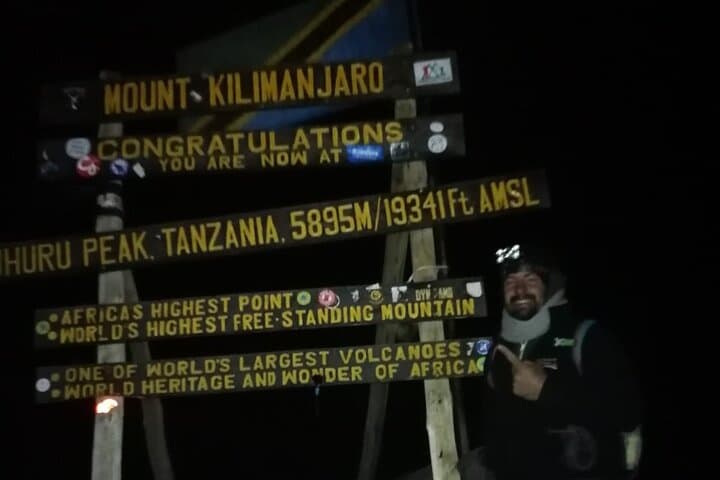
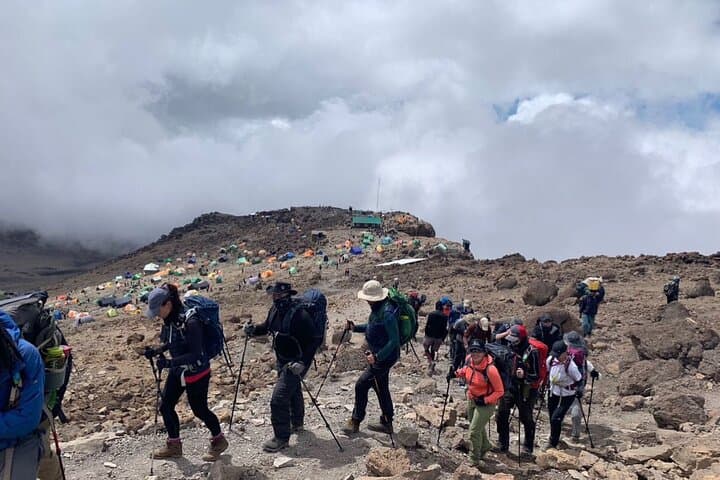
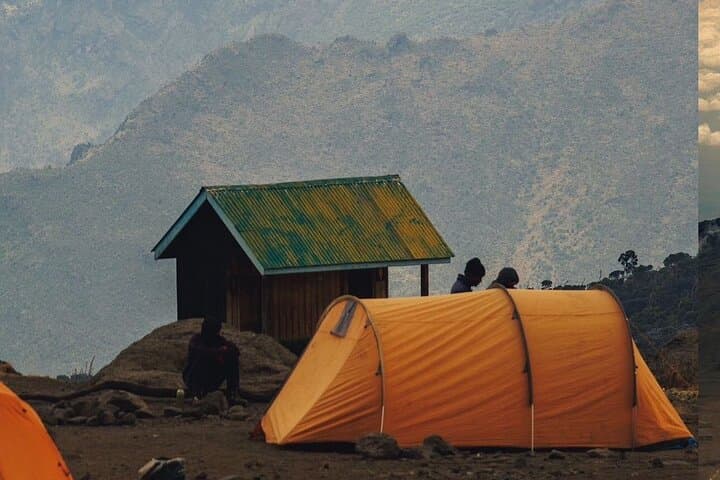
Before the first light, hikers on the Lemosho flank push into a thin, cold air that smells of damp heather and volcanic rock. Forest gives way to moorland, then to scree slopes that lead to Barafu and the final push to Uhuru Peak.
Verified experiences and guided adventures in the surrounding area.
Operated by Moshi Treks · Moshi, Kilimanjaro Region
Before the first light, hikers on the Lemosho flank push into a thin, cold air that smells of damp heather and volcanic rock. Forest gives way to moorland, then to scree slopes that lead to Barafu and the final push to Uhuru Peak.
Kilimanjaro’s massif is a freestanding stratovolcano capped by the Kibo ice fields; the mountain's volcanic history shaped the Shira Plateau and the Lava Tower you cross on days two and three. The Chagga people have long used the lower slopes for farming and hunting, and the mountain’s first recorded summit was in 1889. Kilimanjaro National Park is managed by Tanzanian authorities and its shrinking glaciers are a visible sign of regional climate shifts.
Expect seven days of true variety: humid rainforest with roots and mud, windswept moorland, jagged lava ridges, and loose volcanic scree on the summit night. From Londorossi gate to Uhuru Peak you’ll gain roughly 4,500–4,800 m of elevation spread across about 60–80 km depending on small route variations. Terrain changes demand steady pacing—altitude, not distance, is the primary challenge.
Practical guidance: move slowly, use trekking poles, sip water frequently, rotate layers to prevent sweat-chill, and carry altitude medication if advised. Boots should have stiff soles and be crampon-compatible; a sleeping bag rated to about -10°C, insulated jacket, gloves and a headlamp are essential. Summit pushes begin around midnight and can take 8–12 hours roundtrip. Respect porter welfare, follow park rules, and allow a rest/recovery day in Moshi afterward.
challenging.
7 days.
Good cardiovascular fitness with experience at long day hikes; ability to walk 5–8 hours a day while carrying a daypack.
No technical mountaineering is required on the Lemosho route; however, experience with long-day hiking and walking on loose scree is helpful.
The main dry seasons, roughly late June–October and December–early March, offer the most stable weather and higher summit success rates.
Yes—meals, filtered water, professional guides, cooks and porters are included in this private itinerary; confirm tipping and porter welfare policies before travel.
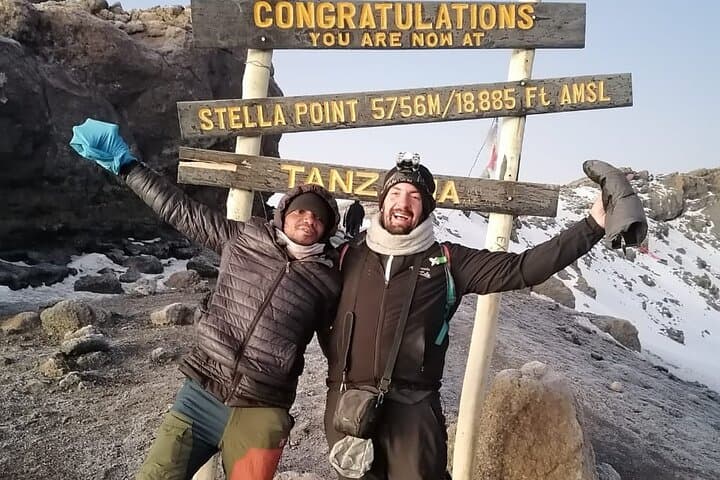
The summit night is the toughest: expect a midnight start, 4–6 hours of steep ascent on loose scree to Stella Point and another hour to Uhuru Peak, with freezing winds and low oxygen.
Kilimanjaro’s first recorded successful ascent was in 1889; the mountain has long held cultural importance for the Chagga people who live on its slopes.
Kilimanjaro National Park is a UNESCO site; glacier retreat is accelerating—stay on trails, minimize waste and support operators who pay fair wages to porters.
Moshi Treks operates guided outdoor trips and adventures with an emphasis on safety, stewardship, and memorable experiences.
Before the first light, hikers on the Lemosho flank push into a thin, cold air that smells of damp heather and volcanic rock. Forest gives way to moorland, then to scree slopes that lead to Barafu and the final push to Uhuru Peak.
Before the first light, hikers on the Lemosho flank push into a thin, cold air that smells of damp heather and volcanic rock. Forest gives way to moorland, then to scree slopes that lead to Barafu and the final push to Uhuru Peak.
Kilimanjaro’s massif is a freestanding stratovolcano capped by the Kibo ice fields; the mountain's volcanic history shaped the Shira Plateau and the Lava Tower you cross on days two and three. The Chagga people have long used the lower slopes for farming and hunting, and the mountain’s first recorded summit was in 1889. Kilimanjaro National Park is managed by Tanzanian authorities and its shrinking glaciers are a visible sign of regional climate shifts.
Expect seven days of true variety: humid rainforest with roots and mud, windswept moorland, jagged lava ridges, and loose volcanic scree on the summit night. From Londorossi gate to Uhuru Peak you’ll gain roughly 4,500–4,800 m of elevation spread across about 60–80 km depending on small route variations. Terrain changes demand steady pacing—altitude, not distance, is the primary challenge.
Practical guidance: move slowly, use trekking poles, sip water frequently, rotate layers to prevent sweat-chill, and carry altitude medication if advised. Boots should have stiff soles and be crampon-compatible; a sleeping bag rated to about -10°C, insulated jacket, gloves and a headlamp are essential. Summit pushes begin around midnight and can take 8–12 hours roundtrip. Respect porter welfare, follow park rules, and allow a rest/recovery day in Moshi afterward.