THE ADVENTURE COLLECTIVE® · Independent discovery and booking for outdoor travel

Explore Leiria on a private two-hour walking tour that moves from castle ramparts to lively town squares, tranquil gardens, and a local museum. Ideal for travelers who want concentrated cultural immersion with practical, walkable logistics.
Explore Leiria on a private two-hour walking tour that moves from castle ramparts to lively town squares, tranquil gardens, and a local museum. Ideal for travelers who want concentrated cultural immersion with practical, walkable logistics.
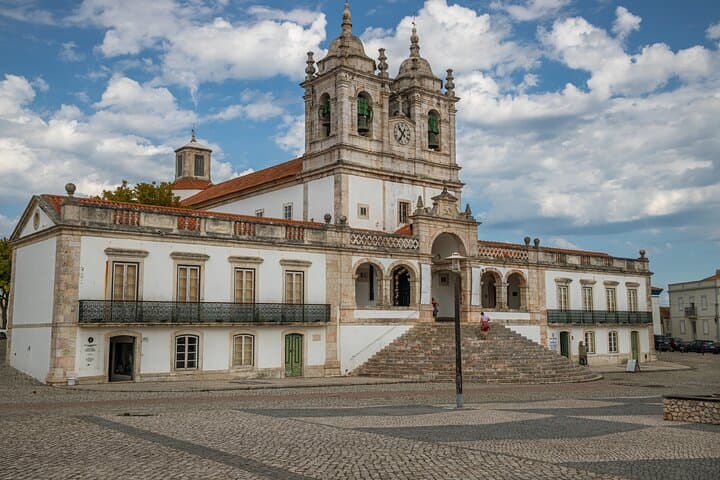
You step off a quiet street and the hill leans forward—Castelo de Leiria crowns the town like an invitation. Cobblestones click underfoot as a local guide sketches centuries into the air: medieval ramparts, cannon embrasures, and the layered lives that built this compact city. The castle’s stone holds the kind of cool that answers the noon sun.
Verified experiences and guided adventures in the surrounding area.
Operated by Opatrip.com Portugal · Leiria, Leiria District
You step off a quiet street and the hill leans forward—Castelo de Leiria crowns the town like an invitation. Cobblestones click underfoot as a local guide sketches centuries into the air: medieval ramparts, cannon embrasures, and the layered lives that built this compact city. The castle’s stone holds the kind of cool that answers the noon sun.
From the fortress the route descends into Praça Rodrigues Lobo, where cafés orbit the square and daily life unfolds in measured sips. Jardim Luís de Camões offers a shaded counterpoint—paths lined with sculpted hedges and a fountain that refracts conversation into quiet pockets. The Museu de Leiria collects ceramic shards, religious art, and archaeological finds that stitch regional history together, while nearby Moinho do Papel (viewed from outside) hints at pre-industrial craft economies.
Leiria sits where low limestone hills give way to coastal plains; the geology is gentle but defined, with river channels that once powered mills and drew settlements inland from the Atlantic. Culturally, the city balances provincial rhythms and student energy—local markets hum with produce and pastry, and tilework decorates chapels and civic facades.
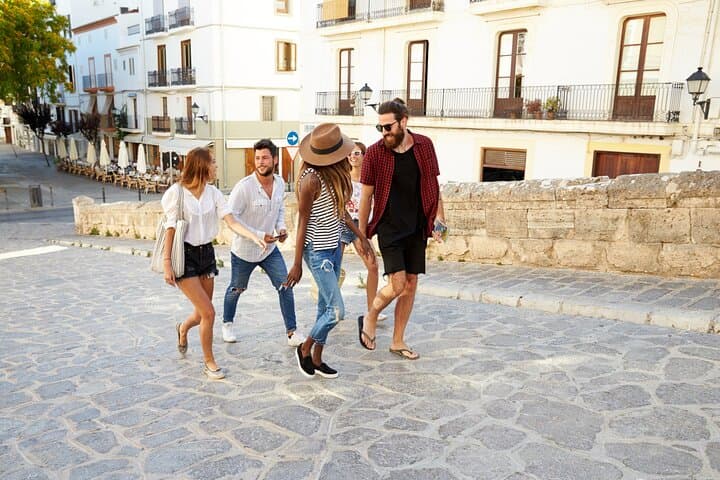
Practical guidance: this private two-hour walk is low-impact but includes uneven paving and short stair sections—comfortable walking shoes are a must. Bring water, a light layer for coastal breezes, and small cash for café stops. Morning or late afternoon tours dodge the hottest hours and capture softer light on the castle walls. The experience is compact and richly textured—perfect for travelers who want focused cultural immersion without long distances.
easy.
2 hours.
Suitable for most fitness levels; able to walk on uneven pavement for up to two hours.
Yes — the experience is a private walking tour led by a professional local guide.
Admissions are generally not included; the itinerary notes which stops require separate tickets.
The tour includes cobblestones and short stair sections—it may not be fully accessible for wheelchairs.
Full refunds are available if you cancel at least 24 hours before the scheduled start time.
Leiria’s castle dates to the 12th century and played strategic roles in medieval Portugal, anchoring the town’s urban development below the hill.
Support local guides and businesses to keep tourism sustainable; stick to marked paths and avoid touching or climbing historical masonry.
Opatrip.com Portugal operates guided outdoor trips and adventures with an emphasis on safety, stewardship, and memorable experiences.


You step off a quiet street and the hill leans forward—Castelo de Leiria crowns the town like an invitation. Cobblestones click underfoot as a local guide sketches centuries into the air: medieval ramparts, cannon embrasures, and the layered lives that built this compact city. The castle’s stone holds the kind of cool that answers the noon sun.
You step off a quiet street and the hill leans forward—Castelo de Leiria crowns the town like an invitation. Cobblestones click underfoot as a local guide sketches centuries into the air: medieval ramparts, cannon embrasures, and the layered lives that built this compact city. The castle’s stone holds the kind of cool that answers the noon sun.
From the fortress the route descends into Praça Rodrigues Lobo, where cafés orbit the square and daily life unfolds in measured sips. Jardim Luís de Camões offers a shaded counterpoint—paths lined with sculpted hedges and a fountain that refracts conversation into quiet pockets. The Museu de Leiria collects ceramic shards, religious art, and archaeological finds that stitch regional history together, while nearby Moinho do Papel (viewed from outside) hints at pre-industrial craft economies.
Leiria sits where low limestone hills give way to coastal plains; the geology is gentle but defined, with river channels that once powered mills and drew settlements inland from the Atlantic. Culturally, the city balances provincial rhythms and student energy—local markets hum with produce and pastry, and tilework decorates chapels and civic facades.
Practical guidance: this private two-hour walk is low-impact but includes uneven paving and short stair sections—comfortable walking shoes are a must. Bring water, a light layer for coastal breezes, and small cash for café stops. Morning or late afternoon tours dodge the hottest hours and capture softer light on the castle walls. The experience is compact and richly textured—perfect for travelers who want focused cultural immersion without long distances.