THE ADVENTURE COLLECTIVE® · Independent discovery and booking for outdoor travel

Walk Leipzig on your schedule with a 90-minute self-guided audio tour that moves from Nikolaikirche through historic arcades to the Gewandhaus. Practical, multilingual narration and quizzes let you explore at your own pace—ideal for curious travelers who prefer independent discovery.
Walk Leipzig on your schedule with a 90-minute self-guided audio tour that moves from Nikolaikirche through historic arcades to the Gewandhaus. Practical, multilingual narration and quizzes let you explore at your own pace—ideal for curious travelers who prefer independent discovery.
You step off a tram into a square that still smells faintly of roasted coffee and rain on stone. Cobblestones click underfoot, church bells from Nikolaikirche mark the hour, and the audio guide prompts you to look up—there, the carved façade that has watched market days and mass movements. The route threads through a compact center: passages, a town hall tower, and a concert hall where orchestral history takes shape.
Verified experiences and guided adventures in the surrounding area.
Operated by Ciceru · Leipzig, Saxony
You step off a tram into a square that still smells faintly of roasted coffee and rain on stone. Cobblestones click underfoot, church bells from Nikolaikirche mark the hour, and the audio guide prompts you to look up—there, the carved façade that has watched market days and mass movements. The route threads through a compact center: passages, a town hall tower, and a concert hall where orchestral history takes shape.
Leipzig’s story is practical and public. A medieval trade hub turned university city, it hosted composers like Bach at Thomaskirche and later became the stage for the peaceful Monday demonstrations that shifted Germany’s course. Geologically it sits on the North German Plain with shallow river valleys (Pleiße and Parthe) that shaped its promenades and park systems. Culture here is civic—bookshops, student-run cellars, and café debate replace grand solitude.
The self-guided tour runs about 90 minutes and uses audio and text in seven languages, so you pace the narrative to your stride. Expect mostly paved streets, short climbs up viewing steps, and sections of arcade and courtyard where details reward slow explorers. Bring a charged phone, wear supportive shoes, and leave extra time for Auerbachs Keller or the quieter lanes off the main square.
Practical: the route is ideal for light walkers and public-transport access; interiors may have opening-hour limits. Because it’s self-guided, you control the tempo—pause for lunch, linger at a church doorway, or press play and keep moving. This tour trades group choreography for personal discovery: history, music, and civic life delivered step by step.
easy.
1.5 hours (90 minutes).
Light walking fitness; suitable for most travelers who can handle an hour‑plus of standing and short walks.
The tour is approximately 90 minutes; you receive instant confirmation and access via mobile—start at the designated first point in the city center and press play on your phone.
Yes—the audio and text are available in seven languages including English, Deutsch, Français, Español, Italiano, Português, and 中文.
You can view exteriors and enter during opening hours, but interior access depends on service times and events—check local opening hours and plan extra time if you want to go inside.
Cancel at least 24 hours in advance for a full refund; same‑day cancellations are not refundable under the standard policy.
Leipzig grew as a medieval trade fair city and later became a musical center (Bach, Mendelssohn) and a focal point of the peaceful 1989 Monday demonstrations at Nikolaikirche.
Traveler impact is low if you stick to paved paths and public transport; support local businesses and avoid littering to help preserve historic streetscapes.
Ciceru operates guided outdoor trips and adventures with an emphasis on safety, stewardship, and memorable experiences.
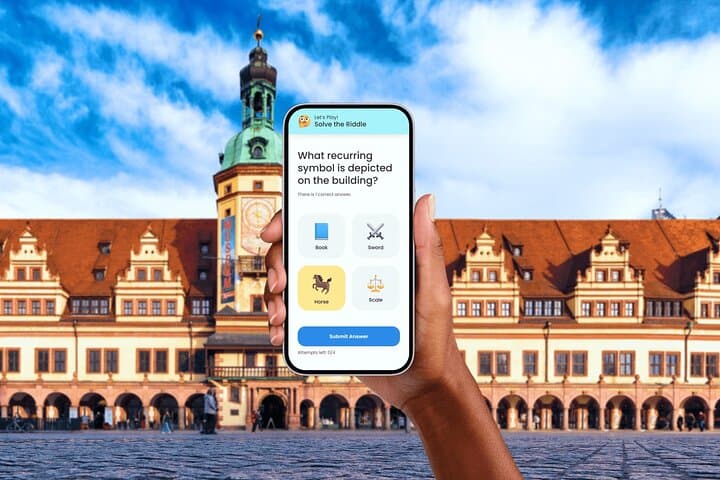
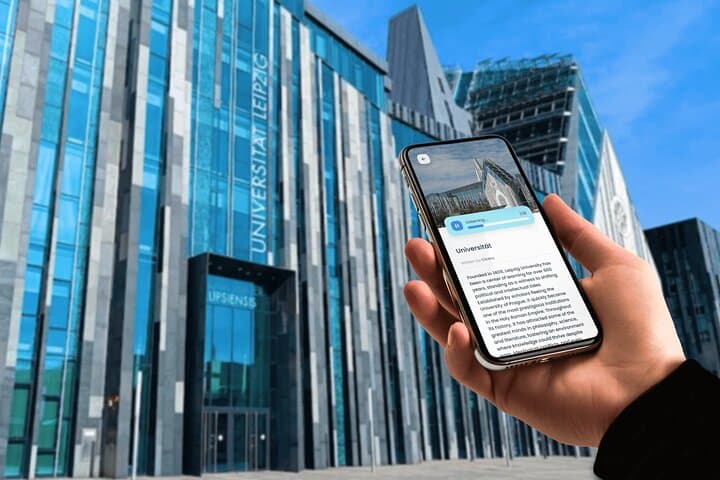

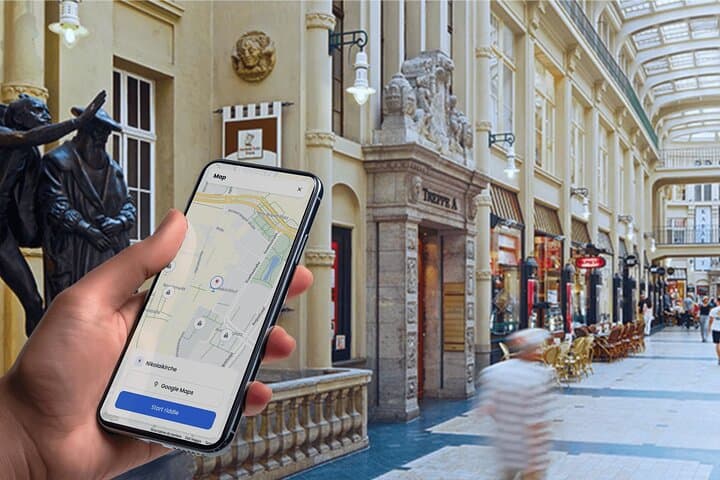
You step off a tram into a square that still smells faintly of roasted coffee and rain on stone. Cobblestones click underfoot, church bells from Nikolaikirche mark the hour, and the audio guide prompts you to look up—there, the carved façade that has watched market days and mass movements. The route threads through a compact center: passages, a town hall tower, and a concert hall where orchestral history takes shape.
You step off a tram into a square that still smells faintly of roasted coffee and rain on stone. Cobblestones click underfoot, church bells from Nikolaikirche mark the hour, and the audio guide prompts you to look up—there, the carved façade that has watched market days and mass movements. The route threads through a compact center: passages, a town hall tower, and a concert hall where orchestral history takes shape.
Leipzig’s story is practical and public. A medieval trade hub turned university city, it hosted composers like Bach at Thomaskirche and later became the stage for the peaceful Monday demonstrations that shifted Germany’s course. Geologically it sits on the North German Plain with shallow river valleys (Pleiße and Parthe) that shaped its promenades and park systems. Culture here is civic—bookshops, student-run cellars, and café debate replace grand solitude.
The self-guided tour runs about 90 minutes and uses audio and text in seven languages, so you pace the narrative to your stride. Expect mostly paved streets, short climbs up viewing steps, and sections of arcade and courtyard where details reward slow explorers. Bring a charged phone, wear supportive shoes, and leave extra time for Auerbachs Keller or the quieter lanes off the main square.
Practical: the route is ideal for light walkers and public-transport access; interiors may have opening-hour limits. Because it’s self-guided, you control the tempo—pause for lunch, linger at a church doorway, or press play and keep moving. This tour trades group choreography for personal discovery: history, music, and civic life delivered step by step.