THE ADVENTURE COLLECTIVE® · Independent discovery and booking for outdoor travel

Explore Leipzig on your schedule with an e-scavenger hunt that guides you through Hauptbahnhof, Nikolaikirche, Thomaskirche and the Markt. Play solo or in small teams, pause anytime, and learn the city's history through puzzles and checkpoints.
Explore Leipzig on your schedule with an e-scavenger hunt that guides you through Hauptbahnhof, Nikolaikirche, Thomaskirche and the Markt. Play solo or in small teams, pause anytime, and learn the city's history through puzzles and checkpoints.
You tap the map on your phone and step from the glass-and-stone cavern of Leipzig Hauptbahnhof into a ribbon of pavements and squares. Trams hum past, street vendors call out, and cobblestones lead you toward the Markt where the old town hall keeps its watch. The game pushes you along streets threaded with music history, GDR-era memory, and trading-house façades as tasks nudge you to look up, count steps, and read plaques.
Verified experiences and guided adventures in the surrounding area.
Operated by Qula · Leipzig, Saxony
You tap the map on your phone and step from the glass-and-stone cavern of Leipzig Hauptbahnhof into a ribbon of pavements and squares. Trams hum past, street vendors call out, and cobblestones lead you toward the Markt where the old town hall keeps its watch. The game pushes you along streets threaded with music history, GDR-era memory, and trading-house façades as tasks nudge you to look up, count steps, and read plaques.
Leipzig’s core grew from medieval trade routes; its wide squares and monumental town hall reflect centuries as a mercantile hub. Geologically the region sits on the Leipzig Bay, a flat plain shaped by glacial deposits and river meanders, which made straight streets and broad market spaces possible. Culture here is loud and musical — Bach and Goethe left fingerprints across the city — and the Nikolaikirche remains a place of political memory after the peaceful 1989 protests that helped end the GDR.
The e-scavenger hunt turns those facts into a playable route: expect stops at the Hauptbahnhof promenade, Nikolaikirche, Stasi exhibition views, Thomaskirche, Markt and Augustusplatz. The app times out tasks; you decide the pace. Practical notes: bring a charged phone, a pocket umbrella in spring or fall, comfortable walking shoes for up to 3–4 hours, and public-transport tickets if you start further out. The experience is wheelchair- and stroller-friendly on most routes and works for families or small competitive teams (max 6). Instructions and access arrive instantly after booking, and you can pause the game to linger in a café. Start in the morning for quieter streets and finish with a coffee near the Thomaskirchhof to compare scores and soak in the city’s music-soaked air.
easy.
3–4 hours.
Suitable for all fitness levels; involves several kilometers of urban walking at your own pace.
The game is designed for 3–4 hours but you can pause and extend the experience; typical playtime is 180–240 minutes.
Most areas and surfaces are wheelchair- and stroller-accessible; some historic cobbles may be uneven — plan a slightly slower pace.
The activity is for up to 6 people per booking, ideal for families or small competitive teams.
Access details and start instructions are sent instantly after booking so you can begin whenever you choose.
Leipzig was an important medieval trade fair town; its Nikolaikirche later became the focal point of the 1989 peaceful protests that contributed to the fall of the GDR.
The city promotes low-impact tourism in the historic center with pedestrian zones and public-transport incentives to reduce car traffic and preserve streetscapes.
Qula operates guided outdoor trips and adventures with an emphasis on safety, stewardship, and memorable experiences.

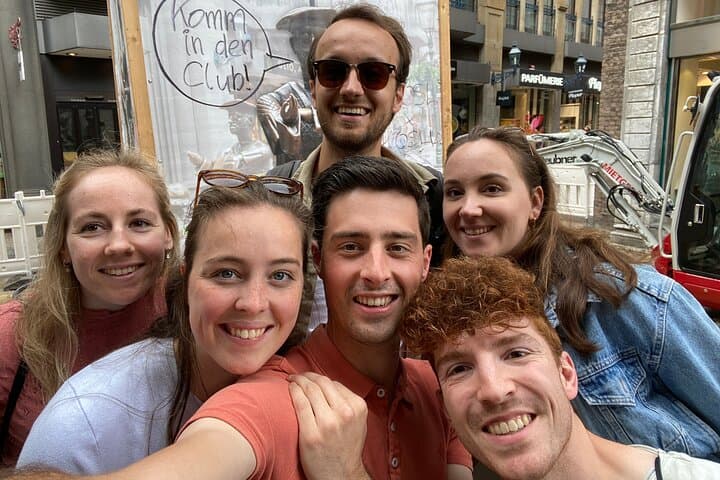

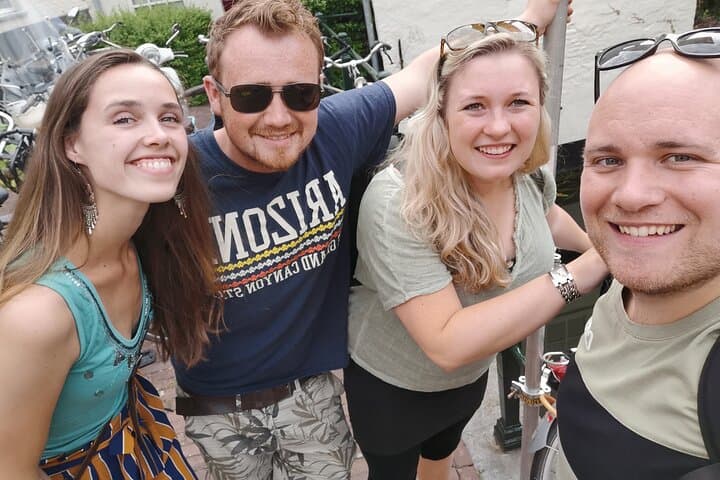
You tap the map on your phone and step from the glass-and-stone cavern of Leipzig Hauptbahnhof into a ribbon of pavements and squares. Trams hum past, street vendors call out, and cobblestones lead you toward the Markt where the old town hall keeps its watch. The game pushes you along streets threaded with music history, GDR-era memory, and trading-house façades as tasks nudge you to look up, count steps, and read plaques.
You tap the map on your phone and step from the glass-and-stone cavern of Leipzig Hauptbahnhof into a ribbon of pavements and squares. Trams hum past, street vendors call out, and cobblestones lead you toward the Markt where the old town hall keeps its watch. The game pushes you along streets threaded with music history, GDR-era memory, and trading-house façades as tasks nudge you to look up, count steps, and read plaques.
Leipzig’s core grew from medieval trade routes; its wide squares and monumental town hall reflect centuries as a mercantile hub. Geologically the region sits on the Leipzig Bay, a flat plain shaped by glacial deposits and river meanders, which made straight streets and broad market spaces possible. Culture here is loud and musical — Bach and Goethe left fingerprints across the city — and the Nikolaikirche remains a place of political memory after the peaceful 1989 protests that helped end the GDR.
The e-scavenger hunt turns those facts into a playable route: expect stops at the Hauptbahnhof promenade, Nikolaikirche, Stasi exhibition views, Thomaskirche, Markt and Augustusplatz. The app times out tasks; you decide the pace. Practical notes: bring a charged phone, a pocket umbrella in spring or fall, comfortable walking shoes for up to 3–4 hours, and public-transport tickets if you start further out. The experience is wheelchair- and stroller-friendly on most routes and works for families or small competitive teams (max 6). Instructions and access arrive instantly after booking, and you can pause the game to linger in a café. Start in the morning for quieter streets and finish with a coffee near the Thomaskirchhof to compare scores and soak in the city’s music-soaked air.