THE ADVENTURE COLLECTIVE® · Independent discovery and booking for outdoor travel

An evening in Lehbab’s red dunes blends adrenaline and Arabian culture—from dune bashing and sandboarding to camel rides and a Bedouin-style BBQ. Expect dramatic sunset light, folkloric entertainment, and practical guidance for a safe, responsible visit.
An evening in Lehbab’s red dunes blends adrenaline and Arabian culture—from dune bashing and sandboarding to camel rides and a Bedouin-style BBQ. Expect dramatic sunset light, folkloric entertainment, and practical guidance for a safe, responsible visit.
The sun slides low over rust-colored dunes as the convoy slips away from Dubai’s glow and into Lehbab’s red-sand country. Wind picks at the ridgelines, and the dunes seem to breathe—rising, falling, daring you to chase the slope. An evening desert safari here pairs adrenaline and local culture: a heart-thumping 4x4 dune bash, quick sandboard runs down soft faces, then the slow, tactile rhythm of a camel ride toward a Bedouin-style camp.
Verified experiences and guided adventures in the surrounding area.
Operated by NOOR AL HAYAT TOURISM · Dubai, Dubai
The sun slides low over rust-colored dunes as the convoy slips away from Dubai’s glow and into Lehbab’s red-sand country. Wind picks at the ridgelines, and the dunes seem to breathe—rising, falling, daring you to chase the slope. An evening desert safari here pairs adrenaline and local culture: a heart-thumping 4x4 dune bash, quick sandboard runs down soft faces, then the slow, tactile rhythm of a camel ride toward a Bedouin-style camp.
Geologically the Lehbab dunes are wind-formed aeolian ridges of iron-oxide-stained sand, shifted seasonally by northerly and southeasterly winds. Culturally the experience leans into Emirati traditions—gahwa (Arabic coffee), henna, falconry demonstrations and folkloric performances such as tanoura and belly dance—that reflect centuries of desert life and hospitality adapted for visitors.
Practicalities are straightforward: expect a 6–7 hour evening outing with hotel pickup, light walking across dunes, and prolonged periods seated during the drive and at the banquet. Dress for sun, sand and a cooler night after sunset: loose layers, good footwear and a hat. Motion-sickness from dune bashing is common—sit where you feel most stable and notify guides if you’re prone to nausea. Photography is best during golden hour and again at the low-angled light after dusk when camp fires create contrast against the red sand.
Local guides manage routes to reduce environmental impact—stick to marked vehicles paths, avoid disturbing wildlife, and take all trash with you or hand it to staff. This is an accessible desert introduction that balances a rush of speed with moments of quiet desert time.
moderate.
6–7 hours.
Suitable for travelers in average physical condition; involves short dune walks and time seated in a 4x4.
The itinerary runs about 6–7 hours (approximately 420 minutes) from hotel pickup through return, including dune activities, camp entertainment and dinner.
Trained drivers operate 4x4s over established routes; however the ride is intense and not recommended for pregnant travelers or those with back or heart conditions.
Children can attend, but safety guidelines vary—confirm age limits with the operator and secure appropriate child seating as needed.
Casual but modest clothing is appropriate; bring a light layer for after sunset and comfortable shoes for short walks on sand.
Lehbab’s dunes sit on ancient trade and nomadic routes; modern desert camps recreate Bedouin hospitality and falconry traditions that are part of Emirati heritage.
Operators typically stick to designated vehicle tracks to protect dune vegetation and nesting sites; visitors should avoid leaving waste and stay with guides to limit disturbance.
NOOR AL HAYAT TOURISM operates guided outdoor trips and adventures with an emphasis on safety, stewardship, and memorable experiences.
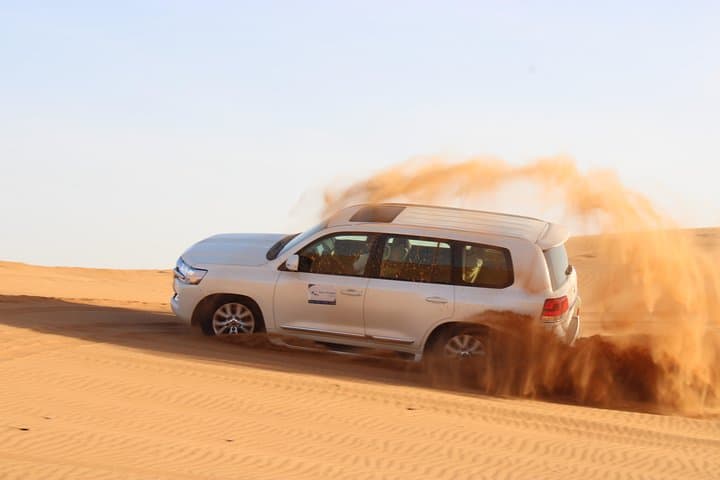
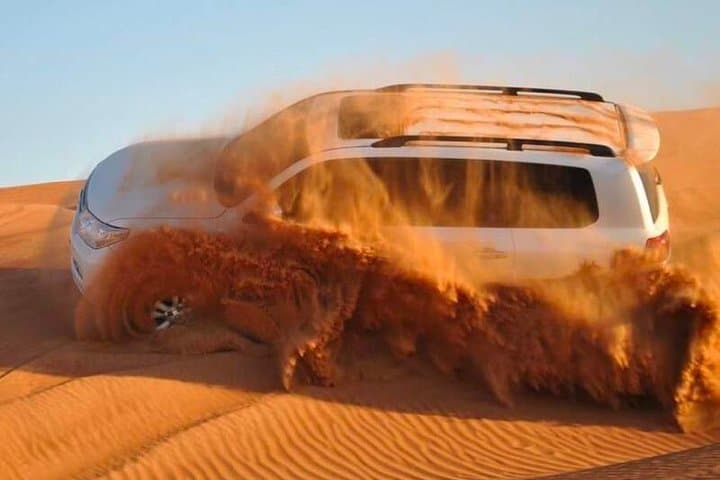
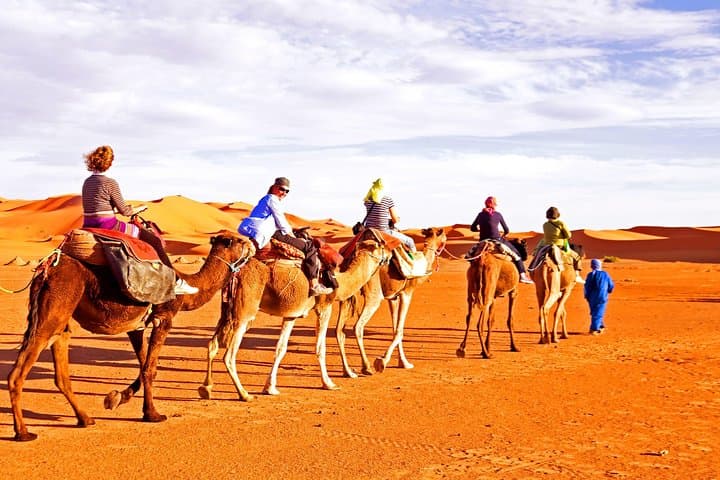
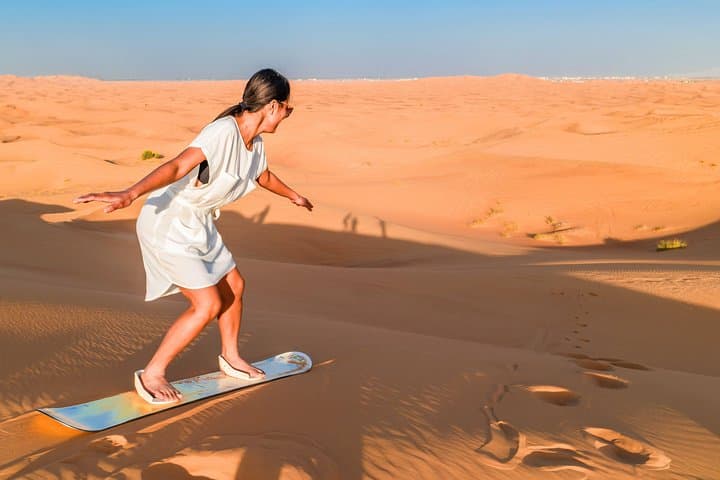
The sun slides low over rust-colored dunes as the convoy slips away from Dubai’s glow and into Lehbab’s red-sand country. Wind picks at the ridgelines, and the dunes seem to breathe—rising, falling, daring you to chase the slope. An evening desert safari here pairs adrenaline and local culture: a heart-thumping 4x4 dune bash, quick sandboard runs down soft faces, then the slow, tactile rhythm of a camel ride toward a Bedouin-style camp.
The sun slides low over rust-colored dunes as the convoy slips away from Dubai’s glow and into Lehbab’s red-sand country. Wind picks at the ridgelines, and the dunes seem to breathe—rising, falling, daring you to chase the slope. An evening desert safari here pairs adrenaline and local culture: a heart-thumping 4x4 dune bash, quick sandboard runs down soft faces, then the slow, tactile rhythm of a camel ride toward a Bedouin-style camp.
Geologically the Lehbab dunes are wind-formed aeolian ridges of iron-oxide-stained sand, shifted seasonally by northerly and southeasterly winds. Culturally the experience leans into Emirati traditions—gahwa (Arabic coffee), henna, falconry demonstrations and folkloric performances such as tanoura and belly dance—that reflect centuries of desert life and hospitality adapted for visitors.
Practicalities are straightforward: expect a 6–7 hour evening outing with hotel pickup, light walking across dunes, and prolonged periods seated during the drive and at the banquet. Dress for sun, sand and a cooler night after sunset: loose layers, good footwear and a hat. Motion-sickness from dune bashing is common—sit where you feel most stable and notify guides if you’re prone to nausea. Photography is best during golden hour and again at the low-angled light after dusk when camp fires create contrast against the red sand.
Local guides manage routes to reduce environmental impact—stick to marked vehicles paths, avoid disturbing wildlife, and take all trash with you or hand it to staff. This is an accessible desert introduction that balances a rush of speed with moments of quiet desert time.