THE ADVENTURE COLLECTIVE® · Independent discovery and booking for outdoor travel

Short on time but curious about Ladakh’s living Buddhist heritage? This half-day private tour from Leh links Thiksey and Hemis monasteries, offering focused cultural insight framed by high‑altitude landscapes. Bring layers and respect local customs.
Short on time but curious about Ladakh’s living Buddhist heritage? This half-day private tour from Leh links Thiksey and Hemis monasteries, offering focused cultural insight framed by high‑altitude landscapes. Bring layers and respect local customs.
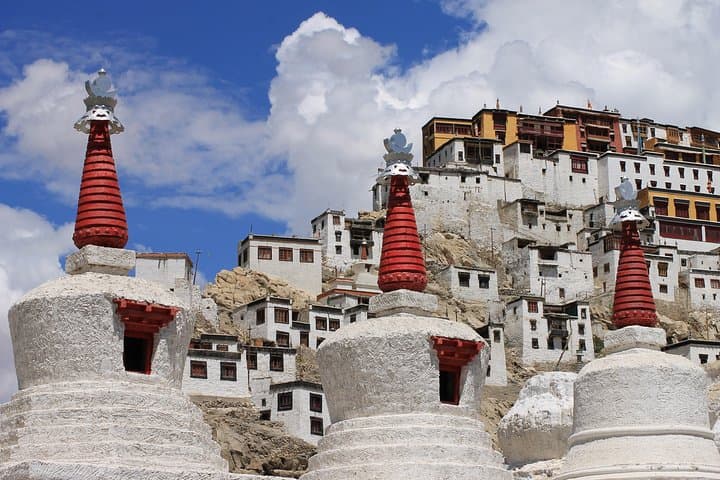
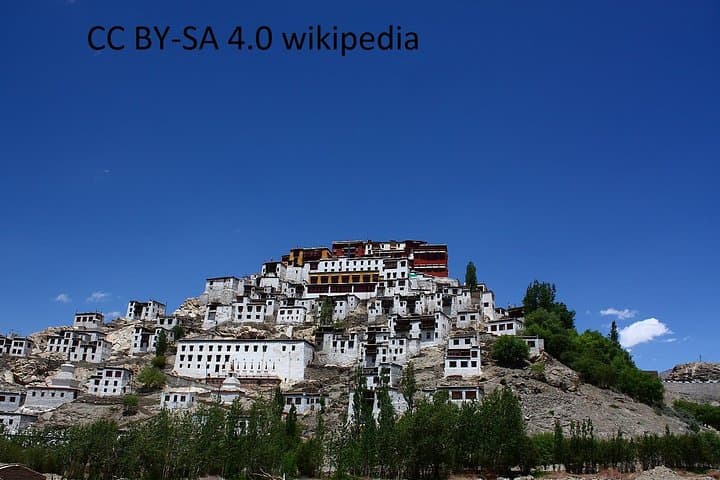
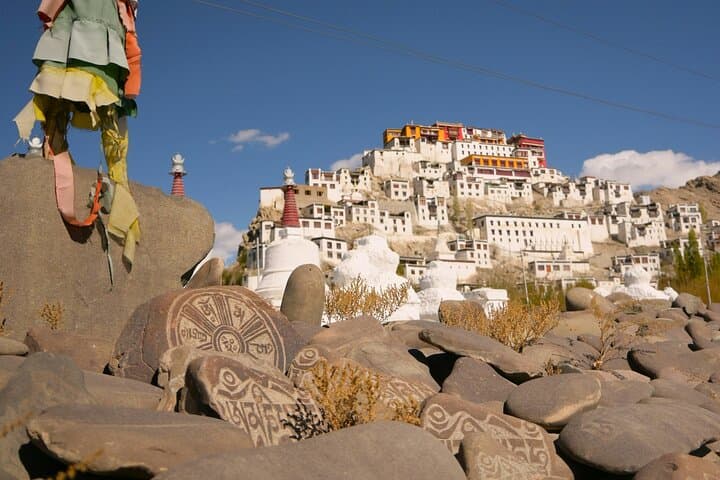
You step out of Leh’s dry, cold air into a landscape that seems to breathe slowly — cliffs and scrubby slopes pushing the sky aside as your driver threads a high road toward monasteries perched like watchful houses. Thiksey appears first: a stacked, multilevel complex with prayer flags snapping like short, honest sentences. Monks move through courtyards with the deliberate rhythm of a place that measures time differently.
Verified experiences and guided adventures in the surrounding area.
Operated by Discover Activities · Leh, Ladakh
You step out of Leh’s dry, cold air into a landscape that seems to breathe slowly — cliffs and scrubby slopes pushing the sky aside as your driver threads a high road toward monasteries perched like watchful houses. Thiksey appears first: a stacked, multilevel complex with prayer flags snapping like short, honest sentences. Monks move through courtyards with the deliberate rhythm of a place that measures time differently.
This short circuit connects two of Ladakh’s most significant centers of Buddhist practice. Thiksey reflects Gelugpa architecture with its 12-story assembly halls and a large Maitreya statue, while Hemis — farther from town — preserves centuries of ritual objects and hosts the famous Hemis Tsechu festival. Geologically, these sites sit on the rain-shadowed northern edge of the main Himalaya, where sedimentary strata and wind-carved rock meet scattered green irrigated fields.
Culturally, expect simple hospitality: greetings from courtyard children, the clack of prayer wheels, and the low hum of devotional songs. The tour is short enough to fit into an afternoon yet long enough to feel like a meaningful detour from market streets.
Practical guidance: travel with layered clothing for rapid temperature swings, sunscreen for the thin air, and a reusable water bottle — altitude dehydrates faster than you’ll notice. Photography is usually allowed outside main sanctums but follow monk instructions. The tour uses private transport and is suitable for most fitness levels; plan for 3–5 hours including short walks and time to explore each monastery’s museum and courtyards.
easy.
3–5 hours.
Minimal walking on uneven surfaces; suitable for most people who can manage short stair sections and brief hikes within monastery compounds.
Private transportation is included; the tour typically offers hotel pickup and drop-off within Leh—confirm your pickup point during booking.
Admission fees are generally not included; budget extra for monastery donations and museum entries where applicable.
Acclimatize in Leh for 24–48 hours, hydrate, avoid heavy meals and alcohol before the tour, and descend if symptoms worsen; carry basic meds if prescribed.
Photography rules vary by shrine; you can usually photograph exterior courtyards but should ask permission before photographing inside prayer halls or monks.
Thiksey and Hemis reflect different strands of Ladakhi Buddhism—Thiksey associated with Gelugpa practices, Hemis with rich Drukpa ritual history and its annual festival honoring Padmasambhava.
Ladakh’s high‑altitude ecosystems are fragile; stick to marked paths, avoid single‑use plastics, and follow monastery rules to minimize cultural and environmental impact.
Discover Activities operates guided outdoor trips and adventures with an emphasis on safety, stewardship, and memorable experiences.
You step out of Leh’s dry, cold air into a landscape that seems to breathe slowly — cliffs and scrubby slopes pushing the sky aside as your driver threads a high road toward monasteries perched like watchful houses. Thiksey appears first: a stacked, multilevel complex with prayer flags snapping like short, honest sentences. Monks move through courtyards with the deliberate rhythm of a place that measures time differently.
You step out of Leh’s dry, cold air into a landscape that seems to breathe slowly — cliffs and scrubby slopes pushing the sky aside as your driver threads a high road toward monasteries perched like watchful houses. Thiksey appears first: a stacked, multilevel complex with prayer flags snapping like short, honest sentences. Monks move through courtyards with the deliberate rhythm of a place that measures time differently.
This short circuit connects two of Ladakh’s most significant centers of Buddhist practice. Thiksey reflects Gelugpa architecture with its 12-story assembly halls and a large Maitreya statue, while Hemis — farther from town — preserves centuries of ritual objects and hosts the famous Hemis Tsechu festival. Geologically, these sites sit on the rain-shadowed northern edge of the main Himalaya, where sedimentary strata and wind-carved rock meet scattered green irrigated fields.
Culturally, expect simple hospitality: greetings from courtyard children, the clack of prayer wheels, and the low hum of devotional songs. The tour is short enough to fit into an afternoon yet long enough to feel like a meaningful detour from market streets.
Practical guidance: travel with layered clothing for rapid temperature swings, sunscreen for the thin air, and a reusable water bottle — altitude dehydrates faster than you’ll notice. Photography is usually allowed outside main sanctums but follow monk instructions. The tour uses private transport and is suitable for most fitness levels; plan for 3–5 hours including short walks and time to explore each monastery’s museum and courtyards.