THE ADVENTURE COLLECTIVE® · Independent discovery and booking for outdoor travel

A nine-day circuit across Ladakh’s high plateaus, this tour connects Leh with Nubra, Pangong, Tso Moriri and cultural highlights—ideal for travelers who want dramatic lakes, remote camps, and Buddhist monasteries with guided logistics taken care of.
A nine-day circuit across Ladakh’s high plateaus, this tour connects Leh with Nubra, Pangong, Tso Moriri and cultural highlights—ideal for travelers who want dramatic lakes, remote camps, and Buddhist monasteries with guided logistics taken care of.
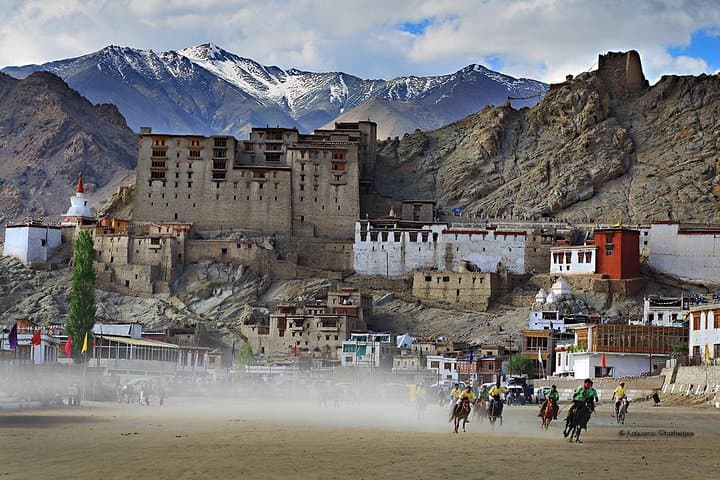
You step out of the thin-air heat of the aircraft and the high desert opens around you—cracked earth, wind-scoured ridgelines, prayer flags snapping like punctuation. Leh’s compact town sits at 3,524 m and acts as your acclimatization hub before the road unfurls north to Nubra, east to Pangong, and farther to the salt flats of Tso Moriri.
Verified experiences and guided adventures in the surrounding area.
Operated by Holidays At · Leh, Ladakh
You step out of the thin-air heat of the aircraft and the high desert opens around you—cracked earth, wind-scoured ridgelines, prayer flags snapping like punctuation. Leh’s compact town sits at 3,524 m and acts as your acclimatization hub before the road unfurls north to Nubra, east to Pangong, and farther to the salt flats of Tso Moriri.
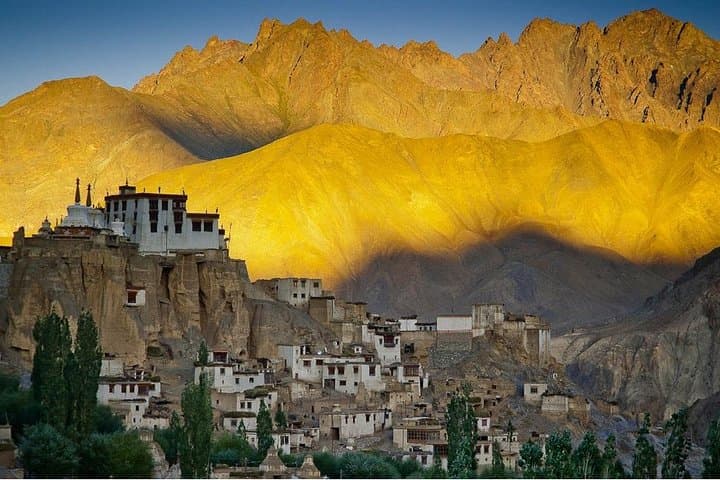
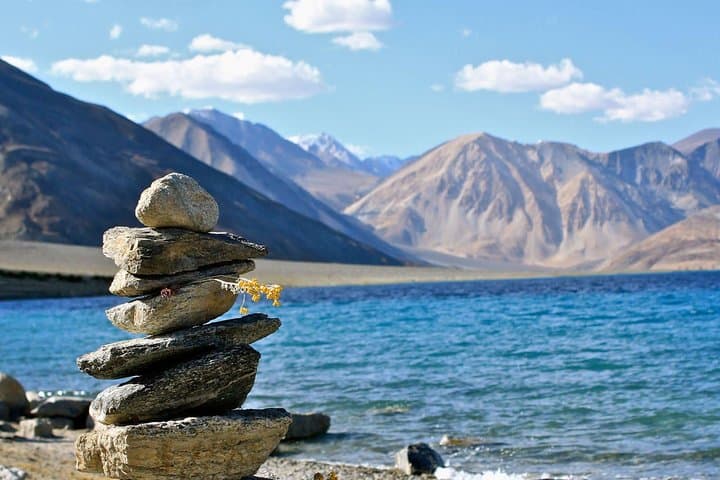
This route threads through history: gompas (monasteries) from the 11th century, Tibetan-Buddhist culture shaped by trade caravans and summer pasturage. Geology here is raw—folded sedimentary plateaus, salt lakes that reflect the sky, and passes like Khardung La (claimed at ~5,350 m) that force the vehicle to a slow, deliberate crawl. Villages are sparse; culture is concentrated in prayer wheels, mani stones, and the winged stupa silhouettes that mark sacred ground.
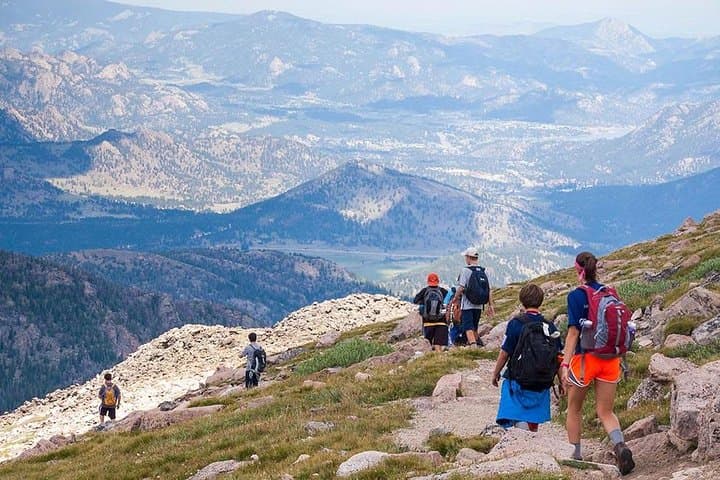
Expect varied terrain: paved highways, high mountain passes, gravel approaches to remote camps, and short walks from camp to shoreline. Distances are long—Leh to Nubra ~160 km, Leh to Pangong ~140 km, Pangong to Tso Moriri ~180 km—so much of each day is scenic driving punctuated by short excursions.
Practical guidance: prioritize acclimatization—rest the first day in Leh, keep hydrated, and avoid heavy exertion above 3,500 m. Layer for intense sun by day and freezing nights; wind is a constant agent, shaping both weather and your plans. Permits for Nubra and Pangong are typically handled on organized tours, but carry original ID and copies. Plan for limited mobile service outside Leh and bring cash for small villages. With mindful pacing, this circuit delivers color-changing lakes, rare wildlife, and monasteries set like watchmen over the plateaus.
moderate.
9 days.
No technical fitness required, but participants should be comfortable with long drives, short hikes at altitude, and basic mobility; cardiovascular fitness helps with acclimatization.
Inner Line Permits are required for certain areas; the tour notes include these fees and most operators handle paperwork in Leh before departure.
Symptoms range from mild headache and breathlessness to more serious conditions; rest on arrival, hydrate, avoid alcohol, and inform guides if symptoms worsen—descent is the primary treatment.
Late May to September offers the most reliable roads and open passes; shoulder months can be colder and some routes may still be snowbound.
Most operators accommodate common dietary requests, but notify the operator in advance and carry snacks if you have strict dietary restrictions.
Ladakh has long been a crossroads between Central Asia and the Indian subcontinent; monasteries like Thiksey and Hemis preserve centuries of Tibetan-Buddhist art and practice.
This fragile high-altitude ecosystem is sensitive to waste and water use—pack out non-biodegradable trash, minimize single-use plastics, and respect grazing lands and nesting sites.
Holidays At operates guided outdoor trips and adventures with an emphasis on safety, stewardship, and memorable experiences.
You step out of the thin-air heat of the aircraft and the high desert opens around you—cracked earth, wind-scoured ridgelines, prayer flags snapping like punctuation. Leh’s compact town sits at 3,524 m and acts as your acclimatization hub before the road unfurls north to Nubra, east to Pangong, and farther to the salt flats of Tso Moriri.
You step out of the thin-air heat of the aircraft and the high desert opens around you—cracked earth, wind-scoured ridgelines, prayer flags snapping like punctuation. Leh’s compact town sits at 3,524 m and acts as your acclimatization hub before the road unfurls north to Nubra, east to Pangong, and farther to the salt flats of Tso Moriri.
This route threads through history: gompas (monasteries) from the 11th century, Tibetan-Buddhist culture shaped by trade caravans and summer pasturage. Geology here is raw—folded sedimentary plateaus, salt lakes that reflect the sky, and passes like Khardung La (claimed at ~5,350 m) that force the vehicle to a slow, deliberate crawl. Villages are sparse; culture is concentrated in prayer wheels, mani stones, and the winged stupa silhouettes that mark sacred ground.
Expect varied terrain: paved highways, high mountain passes, gravel approaches to remote camps, and short walks from camp to shoreline. Distances are long—Leh to Nubra ~160 km, Leh to Pangong ~140 km, Pangong to Tso Moriri ~180 km—so much of each day is scenic driving punctuated by short excursions.
Practical guidance: prioritize acclimatization—rest the first day in Leh, keep hydrated, and avoid heavy exertion above 3,500 m. Layer for intense sun by day and freezing nights; wind is a constant agent, shaping both weather and your plans. Permits for Nubra and Pangong are typically handled on organized tours, but carry original ID and copies. Plan for limited mobile service outside Leh and bring cash for small villages. With mindful pacing, this circuit delivers color-changing lakes, rare wildlife, and monasteries set like watchmen over the plateaus.