THE ADVENTURE COLLECTIVE® · Independent discovery and booking for outdoor travel

Walk cobbled lanes where artisans still stitch traditional Lefkaritika, then cross Nicosia’s historic gates on a guided day trip from Larnaca. Expect lace, silverwork, Ottoman courtyards and a taste of Cypriot coffee.
Walk cobbled lanes where artisans still stitch traditional Lefkaritika, then cross Nicosia’s historic gates on a guided day trip from Larnaca. Expect lace, silverwork, Ottoman courtyards and a taste of Cypriot coffee.
You step from the minibus onto sun-warmed stone and the air smells faintly of coffee and polished silver. Narrow lanes climb between whitewashed houses; women sit at doorways, their fingers turning thread into the distinctive Lefkaritika lace that put this village on the map when Leonardo da Vinci requested an altar cloth in 1481. The hill presses gently behind you — the lower reaches of the Troodos foothills — while the plain below stretches toward the Mediterranean.
Verified experiences and guided adventures in the surrounding area.
Operated by Sirin Suha · Lefkara, Larnaca District
You step from the minibus onto sun-warmed stone and the air smells faintly of coffee and polished silver. Narrow lanes climb between whitewashed houses; women sit at doorways, their fingers turning thread into the distinctive Lefkaritika lace that put this village on the map when Leonardo da Vinci requested an altar cloth in 1481. The hill presses gently behind you — the lower reaches of the Troodos foothills — while the plain below stretches toward the Mediterranean.
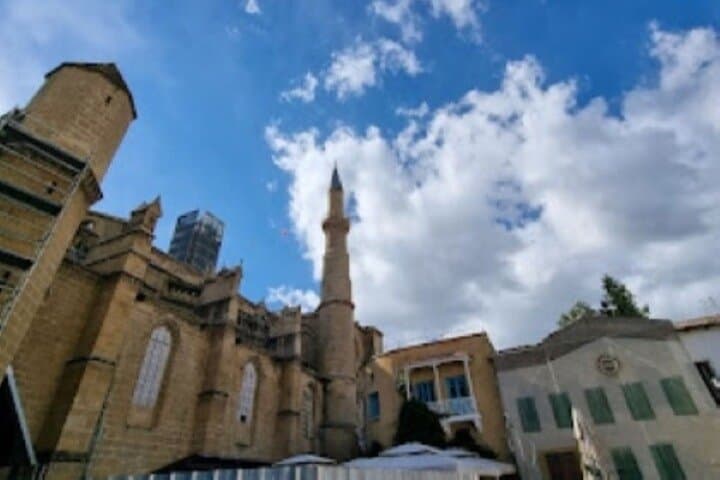
History lives in the details here: Venetian columns moved during Ottoman and British rule, Lusignan-era cathedrals repurposed as mosques, and Ottoman caravanserais (Buyuk Han) that once hosted merchants now hum with craft shops and cafés. Geologically, you’re on weathered limestone slopes that shaped the village’s compact layout and the dry stone walls that retain terraces. Culture is tactile — silverwork and lace shops, the ritual of Cypriot coffee, and the cadence of market sellers in Nicosia.
Practically, expect two hours in Lefkara for wandering, sixty minutes in Nicosia’s walled city (Paphos Gate, Ledra Street crossing, Selimiye/ St. Sophia), and a slow lunch option in the restored Buyuk Han. Wear grippy shoes for cobbles, bring a passport (border crossing at Ledra), and time your visit to avoid midday heat in summer. Your guide provides local context, water, and transportation; tipping local artisans for photos and purchases supports the village economy. This day blends hands-on heritage with clear logistics — an accessible cultural loop from Larnaca that rewards curious walkers.
moderate.
6–7 hours.
Moderate fitness for walking on uneven cobbles and short inclines; comfortable pace with stops.
No paid admissions are listed; the tour covers transportation and guided visits but entry fees or lunch are typically extra.
Tours usually pick up from Larnaca hotels and return there at the end of the day; confirm your pickup point when booking.
Expect moderate walking on uneven, often steep cobbles in Lefkara and in sections of Nicosia’s walled city; comfortable shoes recommended.
Yes, children must be accompanied by an adult and infant seats are available for transportation when requested.
Lefkara’s lace (Lefkaritika) gained international notice after Leonardo da Vinci commissioned a cloth in 1481; Nicosia’s Paphos Gate and Selimiye/ St. Sophia reflect Lusignan, Venetian, Ottoman and British layers.
Purchasing directly from local artisans helps sustain traditional crafts; avoid single-use plastics and stay on paved routes to protect fragile terraces.
Sirin Suha operates guided outdoor trips and adventures with an emphasis on safety, stewardship, and memorable experiences.
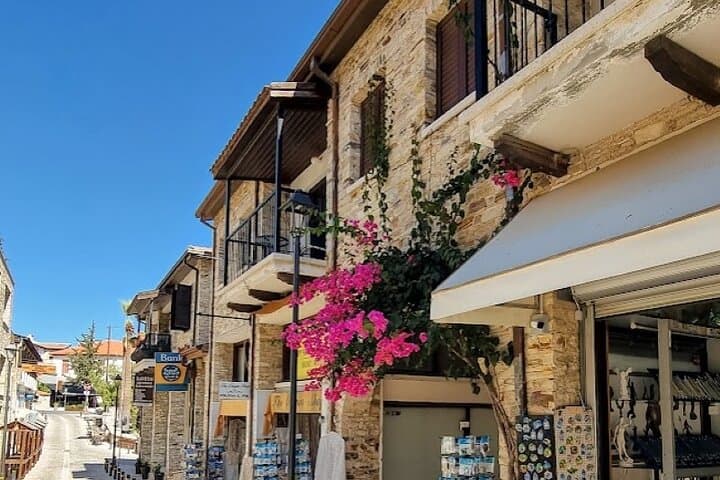
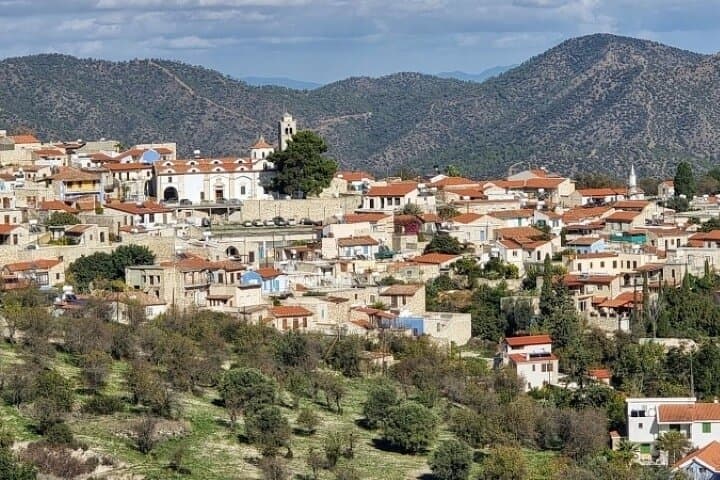
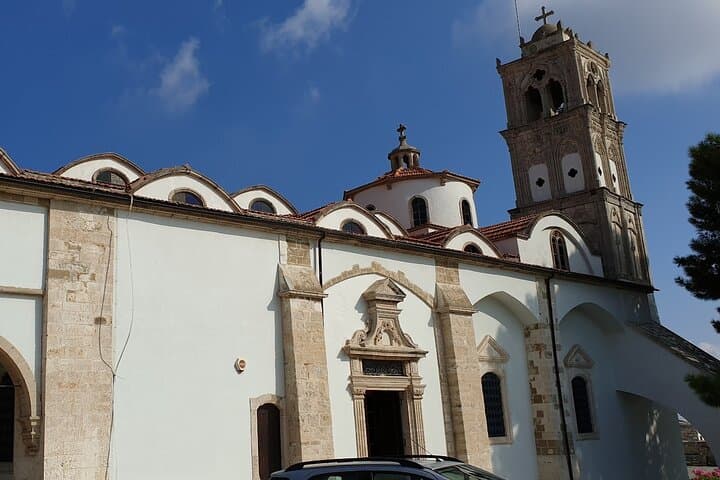
You step from the minibus onto sun-warmed stone and the air smells faintly of coffee and polished silver. Narrow lanes climb between whitewashed houses; women sit at doorways, their fingers turning thread into the distinctive Lefkaritika lace that put this village on the map when Leonardo da Vinci requested an altar cloth in 1481. The hill presses gently behind you — the lower reaches of the Troodos foothills — while the plain below stretches toward the Mediterranean.
You step from the minibus onto sun-warmed stone and the air smells faintly of coffee and polished silver. Narrow lanes climb between whitewashed houses; women sit at doorways, their fingers turning thread into the distinctive Lefkaritika lace that put this village on the map when Leonardo da Vinci requested an altar cloth in 1481. The hill presses gently behind you — the lower reaches of the Troodos foothills — while the plain below stretches toward the Mediterranean.
History lives in the details here: Venetian columns moved during Ottoman and British rule, Lusignan-era cathedrals repurposed as mosques, and Ottoman caravanserais (Buyuk Han) that once hosted merchants now hum with craft shops and cafés. Geologically, you’re on weathered limestone slopes that shaped the village’s compact layout and the dry stone walls that retain terraces. Culture is tactile — silverwork and lace shops, the ritual of Cypriot coffee, and the cadence of market sellers in Nicosia.
Practically, expect two hours in Lefkara for wandering, sixty minutes in Nicosia’s walled city (Paphos Gate, Ledra Street crossing, Selimiye/ St. Sophia), and a slow lunch option in the restored Buyuk Han. Wear grippy shoes for cobbles, bring a passport (border crossing at Ledra), and time your visit to avoid midday heat in summer. Your guide provides local context, water, and transportation; tipping local artisans for photos and purchases supports the village economy. This day blends hands-on heritage with clear logistics — an accessible cultural loop from Larnaca that rewards curious walkers.