THE ADVENTURE COLLECTIVE® · Independent discovery and booking for outdoor travel

Explore 500 acres of Kentish parkland, a moated 12th-century castle, a hedged maze and live falconry displays with the Ultimate Explorer ticket. This guide gives practical tips for planning a 3–5 hour visit and what to expect on-site.
Explore 500 acres of Kentish parkland, a moated 12th-century castle, a hedged maze and live falconry displays with the Ultimate Explorer ticket. This guide gives practical tips for planning a 3–5 hour visit and what to expect on-site.
You step off the lane and the castle grounds open across water and meadow—the moat holding a cool, reflective pause between you and the stone. Paths thread through 500 acres of Kentish parkland: clipped gardens, broad lawns, a hedged maze and a grotto that feels intentionally odd in the English light. The castle itself sits on a small island, its towers and battlements rising from the water and framing views that change with every turn of the estate train.
Verified experiences and guided adventures in the surrounding area.
Operated by Leeds Castle · Maidstone, Kent
You step off the lane and the castle grounds open across water and meadow—the moat holding a cool, reflective pause between you and the stone. Paths thread through 500 acres of Kentish parkland: clipped gardens, broad lawns, a hedged maze and a grotto that feels intentionally odd in the English light. The castle itself sits on a small island, its towers and battlements rising from the water and framing views that change with every turn of the estate train.
Built as a Norman stronghold in the 11th–12th century, Leeds Castle has served royalty and been remade as a 20th-century country retreat by Lady Baillie; layers of history are readable in its rooms, formal gardens and the quirky Dog Collar Museum. Geologically, the estate sits on the gentle slopes of Kent, with clay and chalk soils that support the sweeping lawns, woodlands and waterfowl-friendly lakes. Local culture favors hands-on experiences here—falconry displays, a bird-of-prey centre, adventure golf, and seasonal events keep the place lively for families.
Practically, plan 3–5 hours to see the castle, gardens, maze and grotto; tickets include repeat visits within 12 months and several short train or ferry hops. Wear sturdy walking shoes for gravel paths and lawns, bring a refillable bottle, and check the falconry schedule before you go. Public transport reaches nearby pick-up points, but arriving early or late in the afternoon will avoid peak crowds. Accessibility features are in place, but some historic rooms have limited access—confirm needs when booking. With a bit of planning, Leeds Castle is a walkable, curiosity-rich day that pairs heritage architecture with broad, outdoor space.
easy.
3–5 hours.
Suitable for most fitness levels; expect moderate walking across lawns and paths.
Assistance dogs are permitted; general pet policies vary—check current rules before bringing pets, as some areas and events may be restricted.
Ultimate Explorer tickets include repeat visits and are valid for 12 months from first use, subject to the castle’s opening calendar.
The grounds provide accessible routes and facilities, but some historic rooms have limited access—contact ahead for specific accessibility arrangements.
There are cafés and picnic spaces across the estate; self-catering is allowed in designated areas and food services operate seasonally.
Leeds Castle began as a Norman stronghold in the 11th–12th century, later serving medieval royalty and undergoing a notable 20th-century restoration and redesign by Lady Baillie.
The estate manages gardens and woodlands to balance visitor access with biodiversity; stick to marked paths and follow seasonal restrictions to protect sensitive areas.
Leeds Castle operates guided outdoor trips and adventures with an emphasis on safety, stewardship, and memorable experiences.


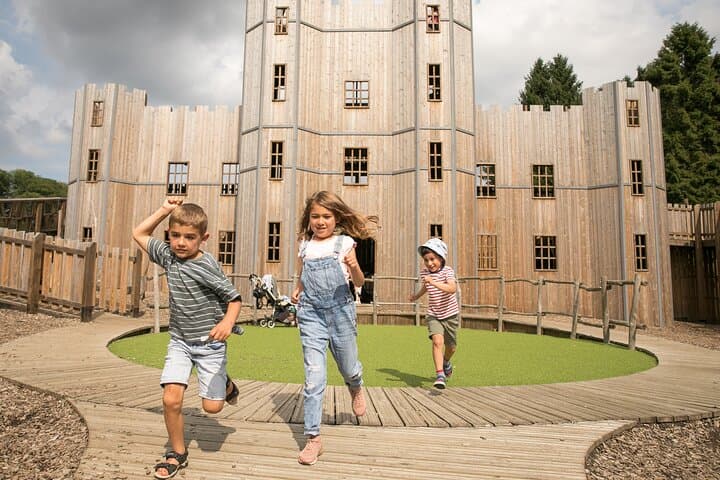
You step off the lane and the castle grounds open across water and meadow—the moat holding a cool, reflective pause between you and the stone. Paths thread through 500 acres of Kentish parkland: clipped gardens, broad lawns, a hedged maze and a grotto that feels intentionally odd in the English light. The castle itself sits on a small island, its towers and battlements rising from the water and framing views that change with every turn of the estate train.
You step off the lane and the castle grounds open across water and meadow—the moat holding a cool, reflective pause between you and the stone. Paths thread through 500 acres of Kentish parkland: clipped gardens, broad lawns, a hedged maze and a grotto that feels intentionally odd in the English light. The castle itself sits on a small island, its towers and battlements rising from the water and framing views that change with every turn of the estate train.
Built as a Norman stronghold in the 11th–12th century, Leeds Castle has served royalty and been remade as a 20th-century country retreat by Lady Baillie; layers of history are readable in its rooms, formal gardens and the quirky Dog Collar Museum. Geologically, the estate sits on the gentle slopes of Kent, with clay and chalk soils that support the sweeping lawns, woodlands and waterfowl-friendly lakes. Local culture favors hands-on experiences here—falconry displays, a bird-of-prey centre, adventure golf, and seasonal events keep the place lively for families.
Practically, plan 3–5 hours to see the castle, gardens, maze and grotto; tickets include repeat visits within 12 months and several short train or ferry hops. Wear sturdy walking shoes for gravel paths and lawns, bring a refillable bottle, and check the falconry schedule before you go. Public transport reaches nearby pick-up points, but arriving early or late in the afternoon will avoid peak crowds. Accessibility features are in place, but some historic rooms have limited access—confirm needs when booking. With a bit of planning, Leeds Castle is a walkable, curiosity-rich day that pairs heritage architecture with broad, outdoor space.