THE ADVENTURE COLLECTIVE® · Independent discovery and booking for outdoor travel

Cover three of Kent’s headline sites in one guided day: a historic castle on its island, Canterbury’s cathedral streets and a dramatic White Cliffs viewpoint overlooking the Channel. Small‑group, scholar‑led commentary and flexible pacing make this a focused cultural‑landscape day trip from Dover.
Cover three of Kent’s headline sites in one guided day: a historic castle on its island, Canterbury’s cathedral streets and a dramatic White Cliffs viewpoint overlooking the Channel. Small‑group, scholar‑led commentary and flexible pacing make this a focused cultural‑landscape day trip from Dover.
You step off the ship in Dover and the channel air feels like an invitation: chalk cliffs ahead, a mosaic of hedgerows and villages behind. In an air‑conditioned vehicle you slip through Kent’s rolling countryside — villages of flint and timber pass like pages from history — until the gatehouse at Leeds Castle appears, its moat catching light.
Verified experiences and guided adventures in the surrounding area.
Operated by Kent and Country Tours · Maidstone, Kent
You step off the ship in Dover and the channel air feels like an invitation: chalk cliffs ahead, a mosaic of hedgerows and villages behind. In an air‑conditioned vehicle you slip through Kent’s rolling countryside — villages of flint and timber pass like pages from history — until the gatehouse at Leeds Castle appears, its moat catching light.
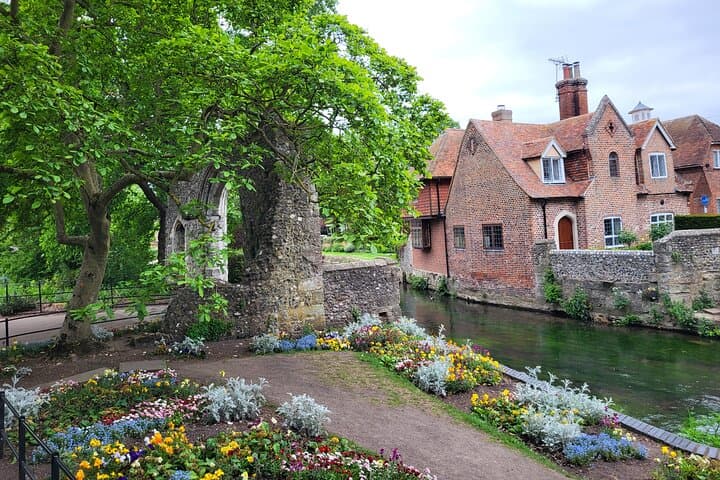
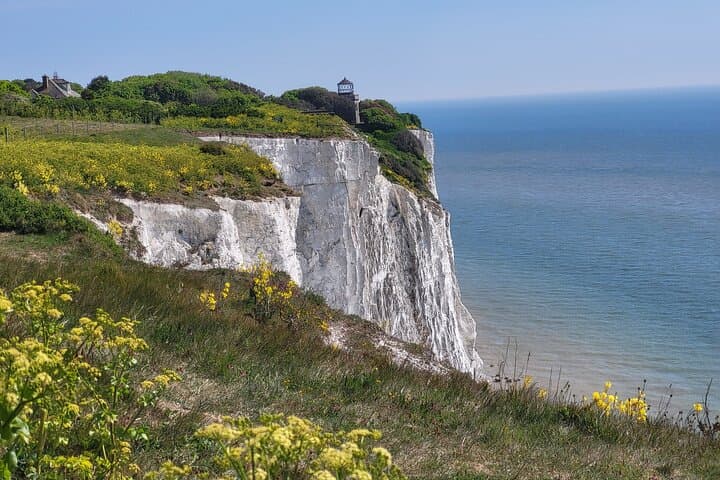
Leeds Castle sits on a natural island formed by a tributary of the River Len; parts of the site trace to Norman and medieval building campaigns and later Tudor remodelling. Canterbury’s layered history follows — Iron Age earthworks, a Roman street plan, a cathedral that anchored England’s medieval pilgrimage routes — while the White Cliffs of Dover expose the chalk geology left by ancient seas and stand as coastal watchpoints from Roman forts to World War II defenses.
The guide — a Cambridge‑trained historian — threads local stories into each stop: aristocratic lives at Leeds, the ecclesiastical power and Reformation at Canterbury, and Dover’s strategic role in modern war memory. Between narrative stops you’ll encounter village greens, thatched cottages and the scent of sea salt rising from the coast.
Practicalities: this is an eight‑hour private tour with moderate amount of walking (castle grounds, a one‑hour city walk, short cliff viewpoint stop). Comfortable shoes, waterproof layer, and a light daypack keep you moving. Spring and autumn offer clear light for photos and fewer people; summers can be busy but warmer. If arriving by cruise ship, timing is tailored to terminal pickup and return — bring a charged phone and an appetite for local ale, tea or fish and chips during free time in Canterbury.
easy.
8 hours.
Suitable for most fitness levels; expect several short walks (15–75 minutes) on varied terrain and some standing during tours.
This tour offers guided time at Leeds Castle but admission is not included by default—confirm with the operator whether tickets are provided or if you’ll pay on arrival.
Expect about one hour of guided walking on mostly paved and cobbled streets with some gentle inclines and standing during commentary.
Yes—pickups are arranged from Dover cruise terminals; be sure to provide your ship’s arrival and departure details when booking.
Bottled water is included, but lunch and snacks are not; the itinerary allows free time in Canterbury to eat at pubs, tearooms or grab fish and chips.
Kent was an early entry point for Roman and Anglo‑Saxon influence; Canterbury became the ecclesiastical heart of England after Augustine’s mission in the 7th century, while Dover’s chalk was a natural defensive barrier used through centuries of conflict.
The White Cliffs are part of coastal chalk grassland habitats requiring careful footpath use; visitors are asked to stick to paths and avoid disturbing nesting birds and fragile cliff flora.
Kent and Country Tours operates guided outdoor trips and adventures with an emphasis on safety, stewardship, and memorable experiences.
You step off the ship in Dover and the channel air feels like an invitation: chalk cliffs ahead, a mosaic of hedgerows and villages behind. In an air‑conditioned vehicle you slip through Kent’s rolling countryside — villages of flint and timber pass like pages from history — until the gatehouse at Leeds Castle appears, its moat catching light.
You step off the ship in Dover and the channel air feels like an invitation: chalk cliffs ahead, a mosaic of hedgerows and villages behind. In an air‑conditioned vehicle you slip through Kent’s rolling countryside — villages of flint and timber pass like pages from history — until the gatehouse at Leeds Castle appears, its moat catching light.
Leeds Castle sits on a natural island formed by a tributary of the River Len; parts of the site trace to Norman and medieval building campaigns and later Tudor remodelling. Canterbury’s layered history follows — Iron Age earthworks, a Roman street plan, a cathedral that anchored England’s medieval pilgrimage routes — while the White Cliffs of Dover expose the chalk geology left by ancient seas and stand as coastal watchpoints from Roman forts to World War II defenses.
The guide — a Cambridge‑trained historian — threads local stories into each stop: aristocratic lives at Leeds, the ecclesiastical power and Reformation at Canterbury, and Dover’s strategic role in modern war memory. Between narrative stops you’ll encounter village greens, thatched cottages and the scent of sea salt rising from the coast.
Practicalities: this is an eight‑hour private tour with moderate amount of walking (castle grounds, a one‑hour city walk, short cliff viewpoint stop). Comfortable shoes, waterproof layer, and a light daypack keep you moving. Spring and autumn offer clear light for photos and fewer people; summers can be busy but warmer. If arriving by cruise ship, timing is tailored to terminal pickup and return — bring a charged phone and an appetite for local ale, tea or fish and chips during free time in Canterbury.