THE ADVENTURE COLLECTIVE® · Independent discovery and booking for outdoor travel

Walk two hours through Leeds’s civic squares, arcades and markets with a local guide who ties Victorian architecture to modern city life. This compact tour is an efficient way to orient yourself and collect photo-ready stops across the city centre.
Walk two hours through Leeds’s civic squares, arcades and markets with a local guide who ties Victorian architecture to modern city life. This compact tour is an efficient way to orient yourself and collect photo-ready stops across the city centre.
A morning in Leeds begins on worn flagstones and under the shadow of Brodrick’s Town Hall, where the city’s civic pride meets the rush of commuters. The guide leads the group through tight shopping arcades and out into a bright elliptical plaza; canal water glints as the River Aire nudges the city’s edges. You’ll move at a steady, conversational pace—two hours of concentrated stories, façades and market stalls that together explain why Leeds feels both modern and freighted with industry.
Verified experiences and guided adventures in the surrounding area.
Operated by Leeds Walking Tours · Leeds, West Yorkshire
A morning in Leeds begins on worn flagstones and under the shadow of Brodrick’s Town Hall, where the city’s civic pride meets the rush of commuters. The guide leads the group through tight shopping arcades and out into a bright elliptical plaza; canal water glints as the River Aire nudges the city’s edges. You’ll move at a steady, conversational pace—two hours of concentrated stories, façades and market stalls that together explain why Leeds feels both modern and freighted with industry.
Leeds grew fast on wool, textiles and rail; Victorian civic buildings and ornate arcades are the urban punctuation from that boom. Geologically the city sits where Pennine runoff meets softer lowland — the river corridor shaped trade routes and later the covered market economy. Cultural life here is public and performative: markets, galleries and performance halls reveal entrepreneurial grit as much as aesthetic ambition.
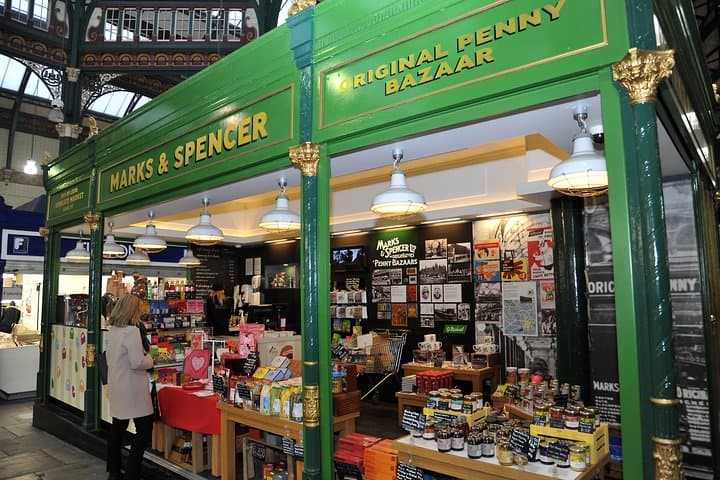
Expect a mix of pedestrian streets, short stair sections and cobbled surfaces. The largest covered market in Europe and the Corn Exchange are stops, as are contemporary art spaces and hidden arcade shops. Guides blend architecture, social history and local anecdotes — a useful primer for deeper exploration.
Practical: arrive 10 minutes early, wear comfortable shoes for cobbles, and bring a light rain layer (Leeds weather changes quickly). The tour is compact—ideal for new arrivals who want orientation and photo stops without a strenuous hike. Morning slots beat peak shopping hours; bring a small bottle of water and a debit card for a coffee stop in an arcade café.
easy.
2 hours.
Suitable for most fitness levels; expect light walking on mixed urban surfaces
Meeting instructions are provided at booking; tours typically start in a central public square close to the Town Hall—arrive 10 minutes early to check in.
Yes—this tour is noted as wheelchair accessible, though some city surfaces (cobbles, short ramps) may be uneven; contact the operator to confirm specific accommodation needs.
Shared tours are generally limited to around 25 people, keeping the group intimate enough for Q&A and photo stops.
Tipping is appreciated but not required; 5–10% or a few pounds per person for a quality guide is typical in the UK.
Leeds expanded rapidly in the 18th–19th centuries on textile manufacturing and rail; its civic architecture reflects Victorian prosperity and municipal ambition.
Walking tours support low-impact tourism—use public transport to reach the city centre, respect listed buildings, and avoid single-use plastics at market stalls.
Leeds Walking Tours operates guided outdoor trips and adventures with an emphasis on safety, stewardship, and memorable experiences.
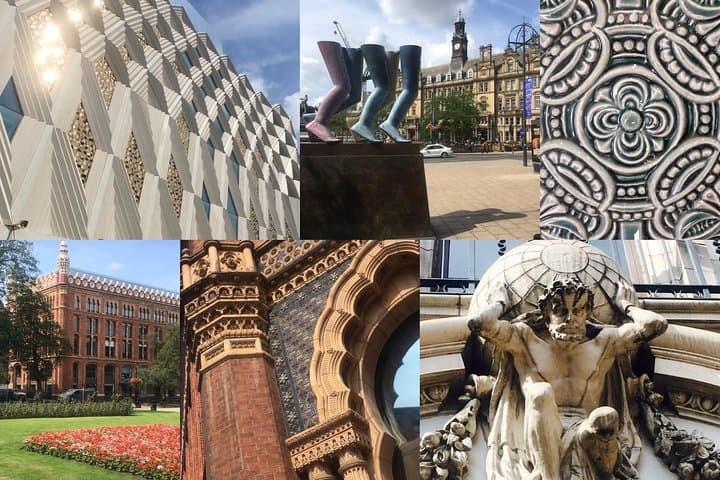
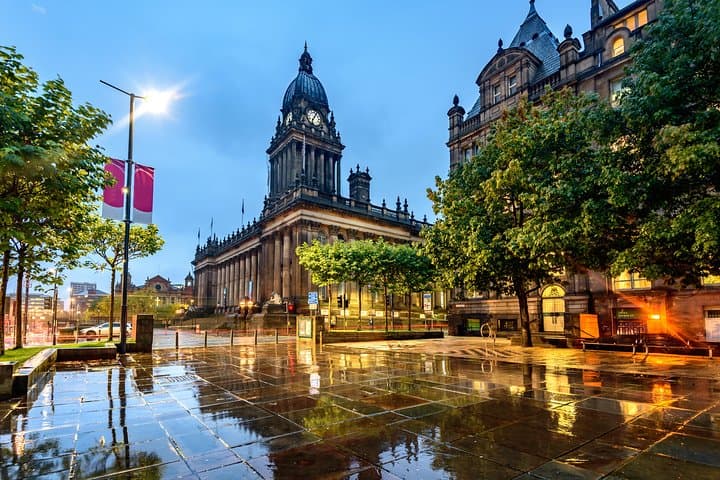
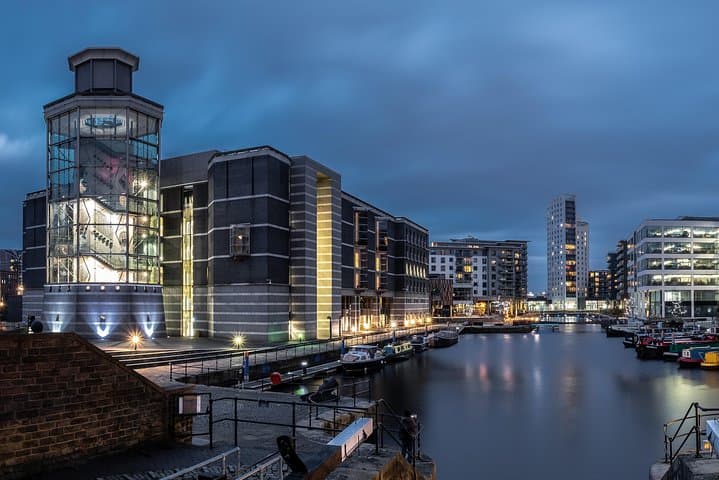
A morning in Leeds begins on worn flagstones and under the shadow of Brodrick’s Town Hall, where the city’s civic pride meets the rush of commuters. The guide leads the group through tight shopping arcades and out into a bright elliptical plaza; canal water glints as the River Aire nudges the city’s edges. You’ll move at a steady, conversational pace—two hours of concentrated stories, façades and market stalls that together explain why Leeds feels both modern and freighted with industry.
A morning in Leeds begins on worn flagstones and under the shadow of Brodrick’s Town Hall, where the city’s civic pride meets the rush of commuters. The guide leads the group through tight shopping arcades and out into a bright elliptical plaza; canal water glints as the River Aire nudges the city’s edges. You’ll move at a steady, conversational pace—two hours of concentrated stories, façades and market stalls that together explain why Leeds feels both modern and freighted with industry.
Leeds grew fast on wool, textiles and rail; Victorian civic buildings and ornate arcades are the urban punctuation from that boom. Geologically the city sits where Pennine runoff meets softer lowland — the river corridor shaped trade routes and later the covered market economy. Cultural life here is public and performative: markets, galleries and performance halls reveal entrepreneurial grit as much as aesthetic ambition.
Expect a mix of pedestrian streets, short stair sections and cobbled surfaces. The largest covered market in Europe and the Corn Exchange are stops, as are contemporary art spaces and hidden arcade shops. Guides blend architecture, social history and local anecdotes — a useful primer for deeper exploration.
Practical: arrive 10 minutes early, wear comfortable shoes for cobbles, and bring a light rain layer (Leeds weather changes quickly). The tour is compact—ideal for new arrivals who want orientation and photo stops without a strenuous hike. Morning slots beat peak shopping hours; bring a small bottle of water and a debit card for a coffee stop in an arcade café.