THE ADVENTURE COLLECTIVE® · Independent discovery and booking for outdoor travel

A full-day private tour from Kutaisi into Lechkhumi’s high valleys—see Ghvirishi waterfall, Kulbaki’s green lake, Lailashi’s historical sites and distinctive rock pillars. Ideal for travelers who want easy walks, local culture, and mountain views in a single day.
A full-day private tour from Kutaisi into Lechkhumi’s high valleys—see Ghvirishi waterfall, Kulbaki’s green lake, Lailashi’s historical sites and distinctive rock pillars. Ideal for travelers who want easy walks, local culture, and mountain views in a single day.
Morning light breaks over the road out of Kutaisi and the driver steers toward higher air and names on a map you may never have heard: Lechkhumi. Forested slopes press close to the bus windows; rivers dare you to peer over their banks. By mid-morning you stand at Ghvirishi, where water thunders from a high rock, carving a cool, misted hollow that smells of moss and limestone.
Verified experiences and guided adventures in the surrounding area.
Operated by Tripify · Kutaisi, Racha-Lechkhumi and Kvemo Svaneti
Morning light breaks over the road out of Kutaisi and the driver steers toward higher air and names on a map you may never have heard: Lechkhumi. Forested slopes press close to the bus windows; rivers dare you to peer over their banks. By mid-morning you stand at Ghvirishi, where water thunders from a high rock, carving a cool, misted hollow that smells of moss and limestone.
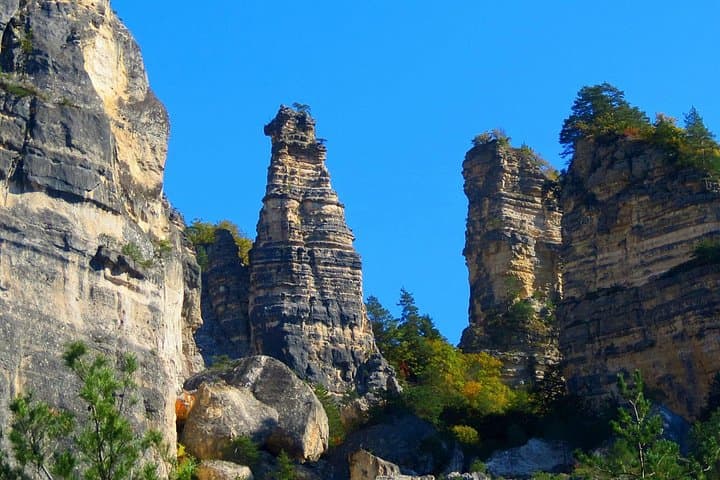
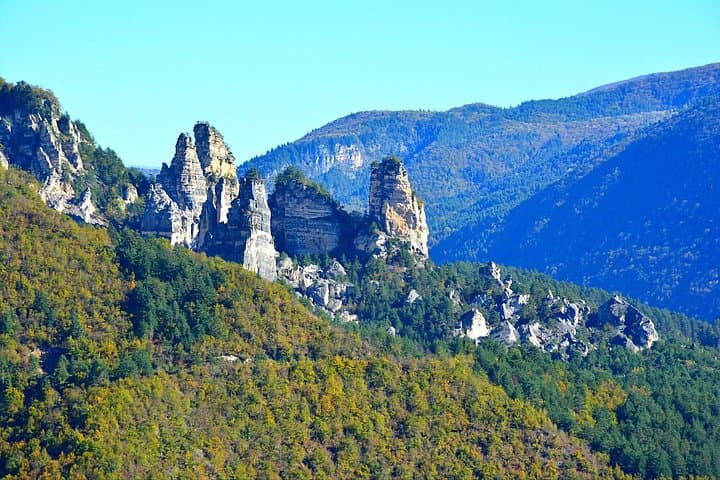
Lechkhumi sits on the northern edge of western Georgia, a region shaped by folded Caucasus ridges and ancient trade routes. Granite ridgelines and isolated sandstone pillars like the Sairme formations give way to glacially influenced valleys and thermal springs; local villages preserve unique cultural notes — historic synagogues in Lailashi and winemaking traditions that produced some of Georgia’s most prized amber wines.
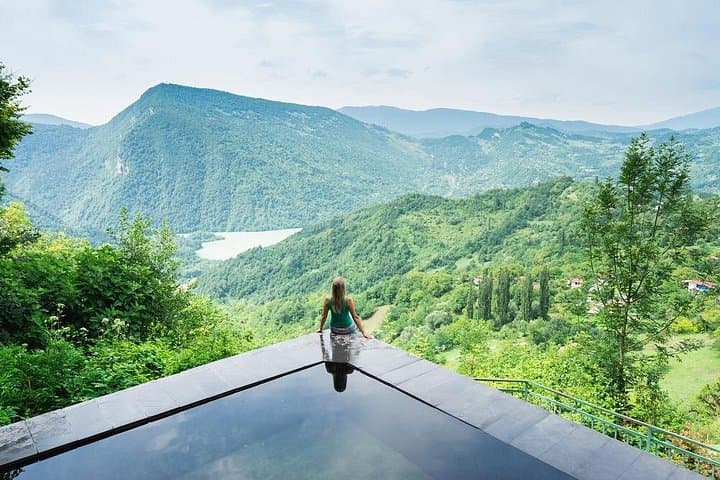
Expect a mix of short walks and roadside stops rather than strenuous hiking: viewing platforms, a trout farm by Kulbaki’s green lake, and easy trails to pools and cascades. The tour combines natural highlights — waterfalls, deciduous forest, alpine meadows — with cultural stops: a small village synagogue, a healing spring, and chances to taste regional trout and wine.
Practical notes: bring layered rain protection, comfortable walking shoes, and a refillable water bottle. The itinerary runs 8–9 hours with private transport and on-board Wi‑Fi, and pickup from Kutaisi hotels is typical. Timing matters — visit in the shoulder seasons for fewer crowds and best light for photography. Respect local customs at village stops and keep to marked paths to protect fragile meadow and spring habitats.
easy.
8–9 hours.
Suitable for most fitness levels; involves short, easy walks and standing at viewpoints.
The private tour lasts about 8–9 hours and typically begins with pickup from any hotel or agreed point in Kutaisi.
Yes; the itinerary involves mostly short walks and roadside viewpoints, making it accessible to families and older guests with basic mobility.
Meals are not usually included, but the tour stops for trout at Kulbaki and local wine tastings can often be arranged at village stops for an additional fee.
Some pools are used locally for bathing, but always follow local guidance—some springs may be considered sacred or restricted.
Lechkhumi has long been a crossroads of Caucasian cultures; small villages retain medieval religious sites and a deep winemaking heritage tied to traditional qvevri methods.
The region’s alpine meadows and springs are sensitive—stay on marked paths, avoid single-use plastics, and support local guides to minimize ecological impact.
Tripify operates guided outdoor trips and adventures with an emphasis on safety, stewardship, and memorable experiences.
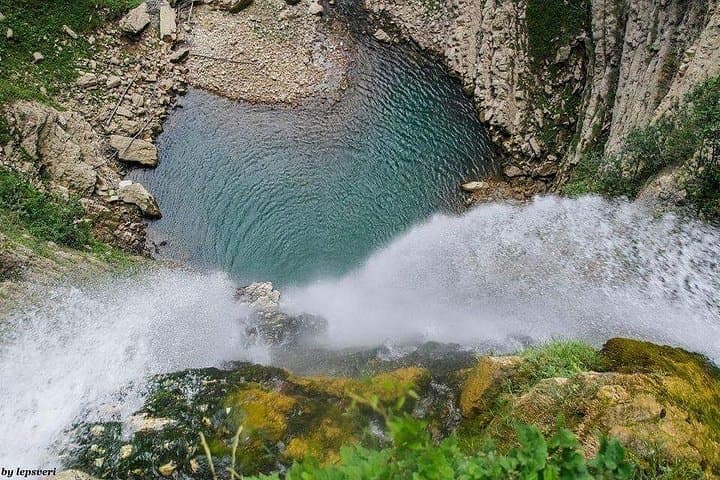
Morning light breaks over the road out of Kutaisi and the driver steers toward higher air and names on a map you may never have heard: Lechkhumi. Forested slopes press close to the bus windows; rivers dare you to peer over their banks. By mid-morning you stand at Ghvirishi, where water thunders from a high rock, carving a cool, misted hollow that smells of moss and limestone.
Morning light breaks over the road out of Kutaisi and the driver steers toward higher air and names on a map you may never have heard: Lechkhumi. Forested slopes press close to the bus windows; rivers dare you to peer over their banks. By mid-morning you stand at Ghvirishi, where water thunders from a high rock, carving a cool, misted hollow that smells of moss and limestone.
Lechkhumi sits on the northern edge of western Georgia, a region shaped by folded Caucasus ridges and ancient trade routes. Granite ridgelines and isolated sandstone pillars like the Sairme formations give way to glacially influenced valleys and thermal springs; local villages preserve unique cultural notes — historic synagogues in Lailashi and winemaking traditions that produced some of Georgia’s most prized amber wines.
Expect a mix of short walks and roadside stops rather than strenuous hiking: viewing platforms, a trout farm by Kulbaki’s green lake, and easy trails to pools and cascades. The tour combines natural highlights — waterfalls, deciduous forest, alpine meadows — with cultural stops: a small village synagogue, a healing spring, and chances to taste regional trout and wine.
Practical notes: bring layered rain protection, comfortable walking shoes, and a refillable water bottle. The itinerary runs 8–9 hours with private transport and on-board Wi‑Fi, and pickup from Kutaisi hotels is typical. Timing matters — visit in the shoulder seasons for fewer crowds and best light for photography. Respect local customs at village stops and keep to marked paths to protect fragile meadow and spring habitats.