THE ADVENTURE COLLECTIVE® · Independent discovery and booking for outdoor travel

Taste Salento on a three-hour walking tour of Lecce’s baroque center. Sample Pasticciotto, Rustico Leccese, puccia, pittule, and artisanal gelato while learning the food history behind each bite.
Taste Salento on a three-hour walking tour of Lecce’s baroque center. Sample Pasticciotto, Rustico Leccese, puccia, pittule, and artisanal gelato while learning the food history behind each bite.
Cobblestones warm underfoot, the scent of espresso and frying dough curling through narrow alleys — this is Lecce in motion. On a three-hour walking tour you move at the city’s human pace, stopping where ovens, hole-in-the-wall puccerie, and gelato makers call you over.
Verified experiences and guided adventures in the surrounding area.
Operated by Do Eat Better Experience · Lecce, Apulia
Cobblestones warm underfoot, the scent of espresso and frying dough curling through narrow alleys — this is Lecce in motion. On a three-hour walking tour you move at the city’s human pace, stopping where ovens, hole-in-the-wall puccerie, and gelato makers call you over.
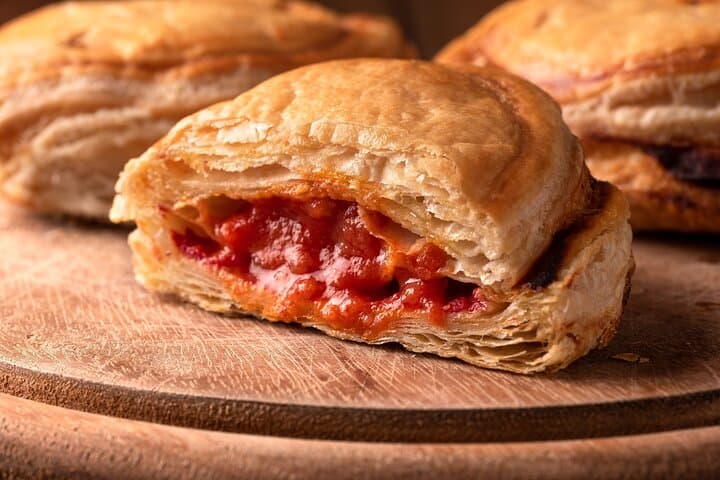
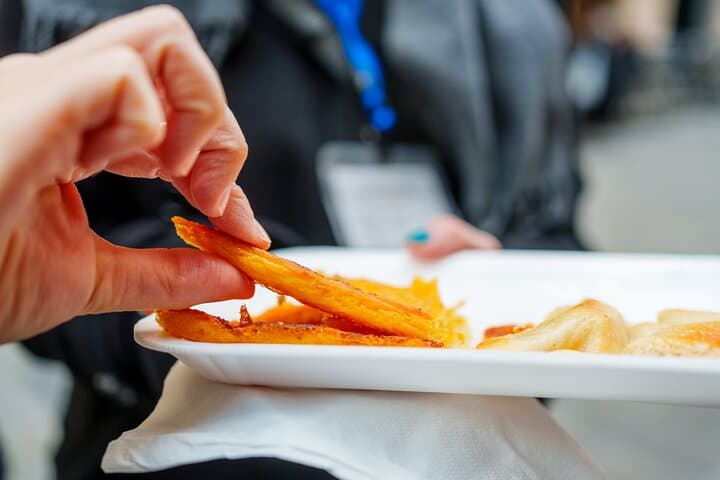
Lecce’s baroque churches and carved pietra leccese façades frame the route; the same soft limestone that sculptors used for centuries gives buildings a honeyed glow as the sun shifts. The food reflects the region’s history: Greek and Roman agricultural roots, peasant ingenuity, and a more recent Spanish and Neapolitan influence. Expect Rustico Leccese (flaky pastry with béchamel and tomato), Pasticciotto custard tarts, puccia sandwiches—historically a working-class hammer of flavor sometimes made with carne di cavallo—and pittule, the crunch-and-pillowy fried dough that locals order like comfort.
The guide mixes tasty stops with cultural notes: why the baroque here is exuberant, where the piazzas once hosted markets, and how local olive oil and durum wheat shaped the cuisine. You’ll taste one included alcoholic drink (18+), bottled water, and multiple samplings sized as a full light meal.
Practicalities: wear comfortable shoes—streets are uneven—carry a small backpack for layers and purchases, and flag dietary restrictions ahead of time. The tour is wheelchair- and stroller-accessible in many parts, but some side alleys have cobbles. Aim for morning or early evening to avoid the heat and to see both market energy and the city’s golden light.
easy.
3 hours.
Suitable for most fitness levels—requires standing, short walks on cobbles, and occasional steps
The tour runs about three hours and typically includes 4–5 tasting stops covering savory and sweet Salento specialties.
The tour is listed as wheelchair- and stroller-accessible in many areas, but some historic alleys have cobbles—contact the operator to confirm accommodations for specific mobility devices.
Yes: bottled water is included at stops and one alcoholic beverage is provided for guests 18 and over.
Vegetarian options are available and the operator asks guests to declare special requirements at booking so they can arrange alternatives.
Lecce’s distinctive baroque grew in the 17th–18th centuries using local pietra leccese; the cuisine preserves centuries of rural and Mediterranean influences.
Local food culture emphasizes seasonal, local ingredients; support vendors who source from nearby producers to reduce food miles and preserve traditional practices.
Do Eat Better Experience operates guided outdoor trips and adventures with an emphasis on safety, stewardship, and memorable experiences.
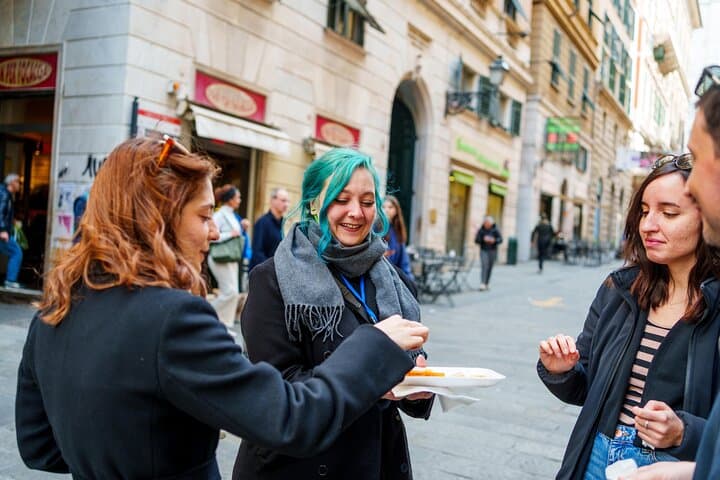
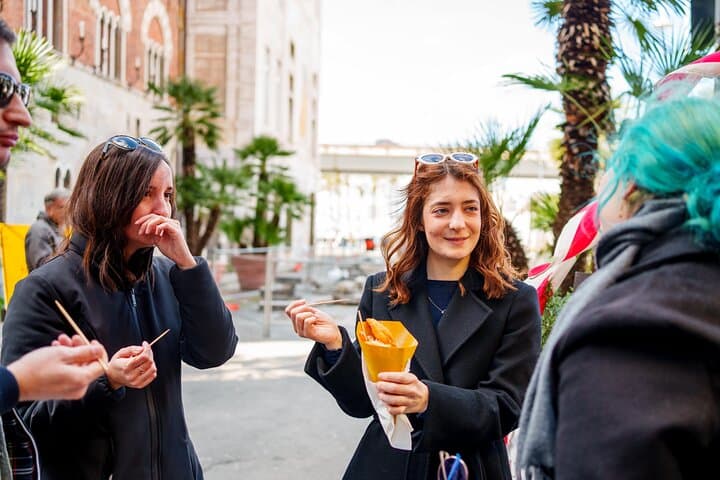
Cobblestones warm underfoot, the scent of espresso and frying dough curling through narrow alleys — this is Lecce in motion. On a three-hour walking tour you move at the city’s human pace, stopping where ovens, hole-in-the-wall puccerie, and gelato makers call you over.
Cobblestones warm underfoot, the scent of espresso and frying dough curling through narrow alleys — this is Lecce in motion. On a three-hour walking tour you move at the city’s human pace, stopping where ovens, hole-in-the-wall puccerie, and gelato makers call you over.
Lecce’s baroque churches and carved pietra leccese façades frame the route; the same soft limestone that sculptors used for centuries gives buildings a honeyed glow as the sun shifts. The food reflects the region’s history: Greek and Roman agricultural roots, peasant ingenuity, and a more recent Spanish and Neapolitan influence. Expect Rustico Leccese (flaky pastry with béchamel and tomato), Pasticciotto custard tarts, puccia sandwiches—historically a working-class hammer of flavor sometimes made with carne di cavallo—and pittule, the crunch-and-pillowy fried dough that locals order like comfort.
The guide mixes tasty stops with cultural notes: why the baroque here is exuberant, where the piazzas once hosted markets, and how local olive oil and durum wheat shaped the cuisine. You’ll taste one included alcoholic drink (18+), bottled water, and multiple samplings sized as a full light meal.
Practicalities: wear comfortable shoes—streets are uneven—carry a small backpack for layers and purchases, and flag dietary restrictions ahead of time. The tour is wheelchair- and stroller-accessible in many parts, but some side alleys have cobbles. Aim for morning or early evening to avoid the heat and to see both market energy and the city’s golden light.