THE ADVENTURE COLLECTIVE® · Independent discovery and booking for outdoor travel

Learn full-body Vietnamese massage techniques in a three-hour, hands-on course taught by local therapists. Ideal for travelers and professionals, the class combines cultural context with practical skills and a certificate of completion.
Learn full-body Vietnamese massage techniques in a three-hour, hands-on course taught by local therapists. Ideal for travelers and professionals, the class combines cultural context with practical skills and a certificate of completion.
The studio sits off a narrow Hanoi lane, the clack of scooters fading as the door closes behind you. Warm steam and the citrus scent of lemongrass oil meet the quiet rhythm of a practiced palm. In a three-hour session you move from observation to touch, guided by a therapist who explains posture, pressure and timing as precisely as a musician coaching phrasing.
Verified experiences and guided adventures in the surrounding area.
Operated by Dao's Care Massage Class · Hanoi, Hanoi
The studio sits off a narrow Hanoi lane, the clack of scooters fading as the door closes behind you. Warm steam and the citrus scent of lemongrass oil meet the quiet rhythm of a practiced palm. In a three-hour session you move from observation to touch, guided by a therapist who explains posture, pressure and timing as precisely as a musician coaching phrasing.
Vietnamese massage draws on regional acupressure and Southeast Asian stretching methods developed along the Red River Delta, where riverine life shaped a practical approach to the body. The course also connects to local culture: many programs are run by social enterprises that train blind therapists and members of ethnic minorities, preserving techniques while creating livelihoods.
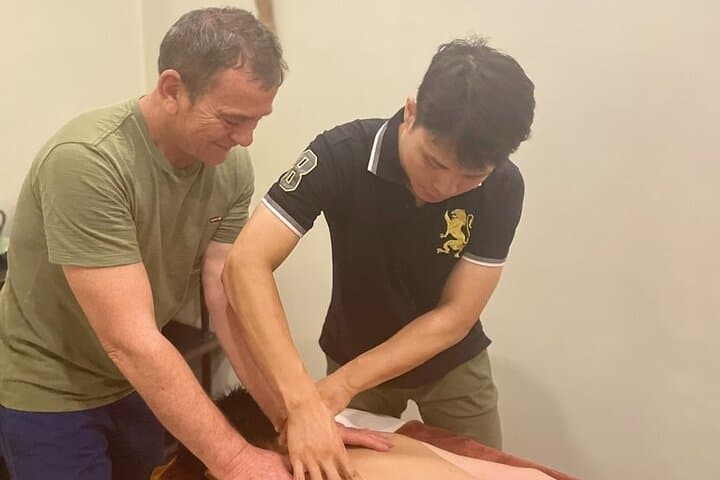
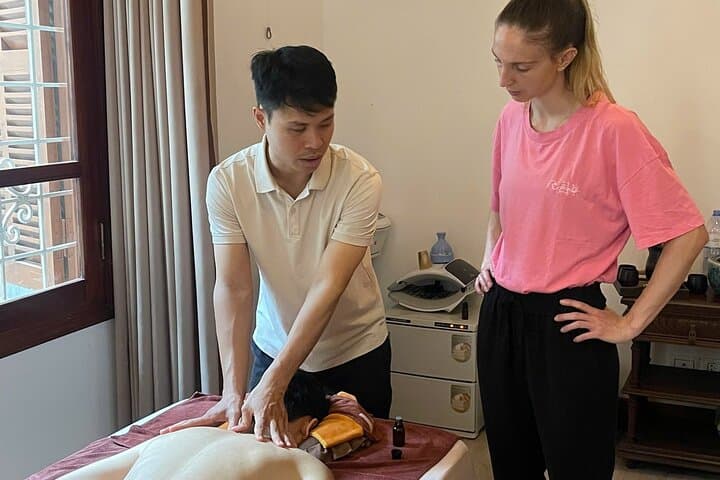
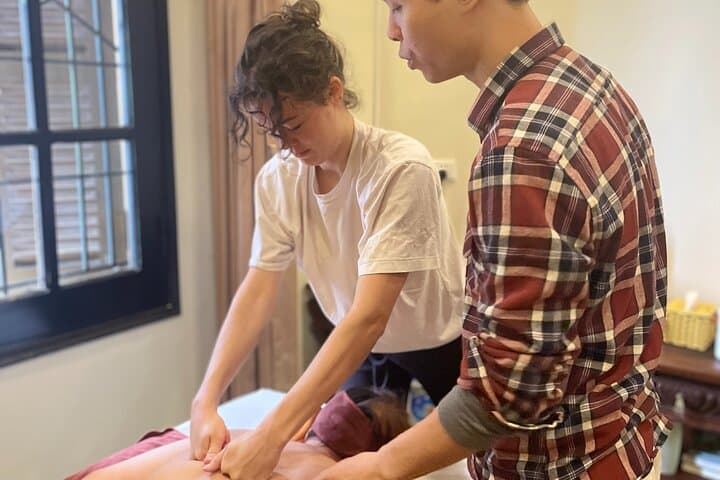
Expect hands-on practice on partners or mannequins, instruction in back, shoulder, arm and leg sequences, and a focus on rhythm and breath. The classroom is simple—mats or low tables, high-quality oils, and a cup of herbal tea between demonstrations.
Practically: arrive in loose clothing you can move in, eat lightly beforehand, and bring a notebook if you plan to retain step-by-step sequences. The certificate of completion can be useful for continuing education, but the class suits both curious travelers and professionals refreshing technique. Note health restrictions for pregnancy and serious cardiovascular conditions; the provider screens participants.
This course is low-impact travel that rewards attention and repetition. Leave with a full routine you can practice immediately, a better understanding of Vietnamese touch traditions, and, if you choose, a small way to support ethical local tourism.
easy.
3 hours.
No special fitness required; participants should be able to sit, kneel, and perform light partner work.
No—courses are tailored for beginners and professionals; instruction covers fundamentals and builds to a full routine.
Most operators provide instruction in English; confirm language when booking or request a translator if needed.
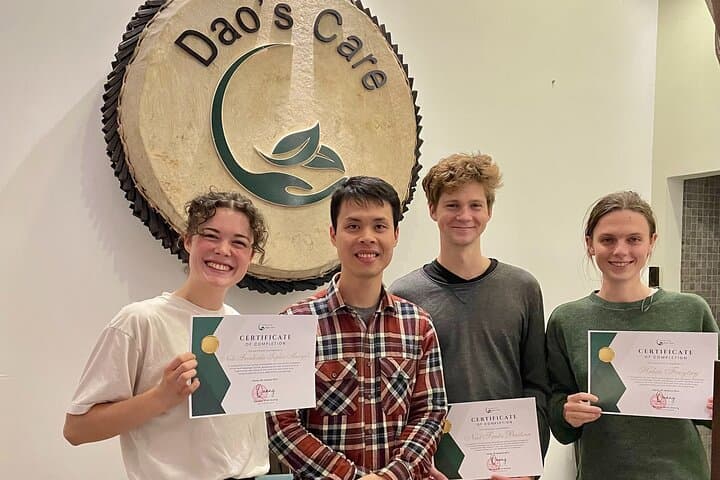
You receive a certificate of completion; check local professional requirements if you need accredited continuing education credits.
Yes—private and small-group options are commonly offered; indicate preferences during booking for a tailored session.
Vietnamese massage blends regional acupressure practices influenced by Chinese medicine and Southeast Asian stretching traditions; social enterprises in Hanoi have long trained blind therapists as a cultural and economic initiative.
Supporting licensed training programs and social enterprises helps sustain traditional skills and provides fair income; choose operators who use responsibly sourced oils and limit single-use plastics.
Dao's Care Massage Class operates guided outdoor trips and adventures with an emphasis on safety, stewardship, and memorable experiences.
The studio sits off a narrow Hanoi lane, the clack of scooters fading as the door closes behind you. Warm steam and the citrus scent of lemongrass oil meet the quiet rhythm of a practiced palm. In a three-hour session you move from observation to touch, guided by a therapist who explains posture, pressure and timing as precisely as a musician coaching phrasing.
The studio sits off a narrow Hanoi lane, the clack of scooters fading as the door closes behind you. Warm steam and the citrus scent of lemongrass oil meet the quiet rhythm of a practiced palm. In a three-hour session you move from observation to touch, guided by a therapist who explains posture, pressure and timing as precisely as a musician coaching phrasing.
Vietnamese massage draws on regional acupressure and Southeast Asian stretching methods developed along the Red River Delta, where riverine life shaped a practical approach to the body. The course also connects to local culture: many programs are run by social enterprises that train blind therapists and members of ethnic minorities, preserving techniques while creating livelihoods.
Expect hands-on practice on partners or mannequins, instruction in back, shoulder, arm and leg sequences, and a focus on rhythm and breath. The classroom is simple—mats or low tables, high-quality oils, and a cup of herbal tea between demonstrations.
Practically: arrive in loose clothing you can move in, eat lightly beforehand, and bring a notebook if you plan to retain step-by-step sequences. The certificate of completion can be useful for continuing education, but the class suits both curious travelers and professionals refreshing technique. Note health restrictions for pregnancy and serious cardiovascular conditions; the provider screens participants.
This course is low-impact travel that rewards attention and repetition. Leave with a full routine you can practice immediately, a better understanding of Vietnamese touch traditions, and, if you choose, a small way to support ethical local tourism.