THE ADVENTURE COLLECTIVE® · Independent discovery and booking for outdoor travel

A focused, hands-on one-hour introduction to traditional Thai massage taught near Bophut’s Fisherman’s Village. Learn basic stretches, pressure techniques and safety practices used across Koh Samui’s wellness scene.
A focused, hands-on one-hour introduction to traditional Thai massage taught near Bophut’s Fisherman’s Village. Learn basic stretches, pressure techniques and safety practices used across Koh Samui’s wellness scene.
Sunlight filters through rice-paper screens into a compact training room a short walk from Bophut’s Fisherman’s Village, where the scent of lemongrass and warmed oil sets a steady tempo. Students and instructors move with careful attention: palms pressing along energy lines, thumbs tracing the sen pathways, hips and knees used as fulcrums rather than force.
Verified experiences and guided adventures in the surrounding area.
Operated by Samui Spa School - Massage and Spa School, Ko Samui · Bophut, Surat Thani
Sunlight filters through rice-paper screens into a compact training room a short walk from Bophut’s Fisherman’s Village, where the scent of lemongrass and warmed oil sets a steady tempo. Students and instructors move with careful attention: palms pressing along energy lines, thumbs tracing the sen pathways, hips and knees used as fulcrums rather than force.
Thai massage on Koh Samui sits at the intersection of centuries-old healing and modern hospitality. Rooted in Southeast Asian Ayurvedic practice and credited historically to the physician Jivaka Komarabhacca, traditional Thai massage blends compression, acupressure and assisted yoga postures. On Samui—where tourism and wellness industries meet—short professional courses like this one teach foundational techniques used in hotels and independent studios across the island.
Expect a hands-on, instructor-led hour that covers basic stretches, standard hand and thumb techniques, and safety notes for common conditions. The room is simple: mats on the floor, trainer demonstrations, and supervised practice between students. Language is usually conversational English; demonstrations may include local herbal compresses and references to Thai diagnostic customs.
Practical guidance: arrive with loose, comfortable clothing and trimmed nails. Notify instructors of injuries, pregnancy or recent surgery—this course excludes contraindicated conditions. Bring a refillable water bottle, and plan for a light lunch afterward—taste the nearby Fisherman’s Village market for coconut water and herbal tea. For longer certification, ask the school about multi-day modules that expand on anatomy, pressure sequencing and business practices.
easy.
1 hour.
No special fitness required; participants should be able to kneel, sit cross-legged and perform gentle assisted stretches.
No—this one-hour course is an introductory module designed for beginners and covers fundamentals only.
No—booking notes indicate the course is not recommended for pregnant travelers; disclose pregnancy during booking for safety.
This short session provides basic instruction and a participation acknowledgement; extended certification requires multi-day modules from the school.
The activity is suitable for most ages, including seniors and teens, but participants should be able to follow movement instructions and disclose health conditions.
Thai massage draws from ancient Theravada Buddhist healing traditions and regional Ayurvedic practices, with techniques passed down through temple and village lineages.
Choose accredited schools that use sustainably sourced oils and locally produced herbs; responsible tourism supports local practitioners and reduces pressure on imported products.
Samui Spa School - Massage and Spa School, Ko Samui operates guided outdoor trips and adventures with an emphasis on safety, stewardship, and memorable experiences.
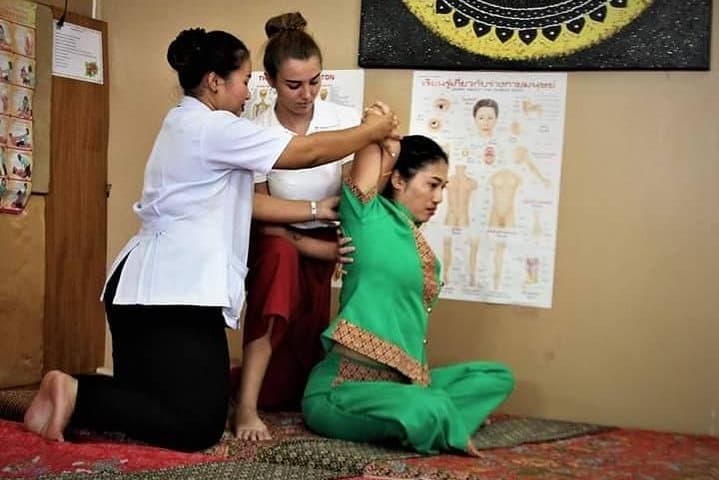
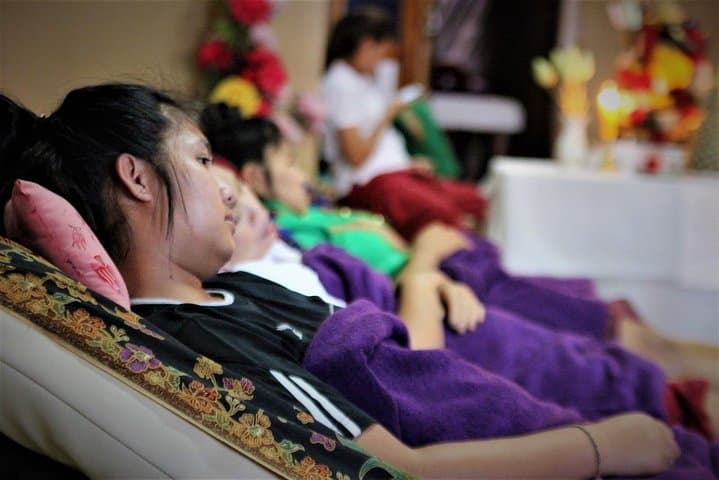
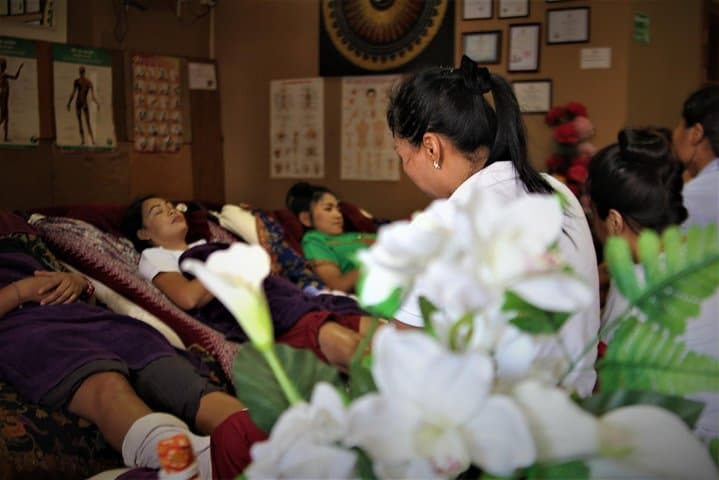
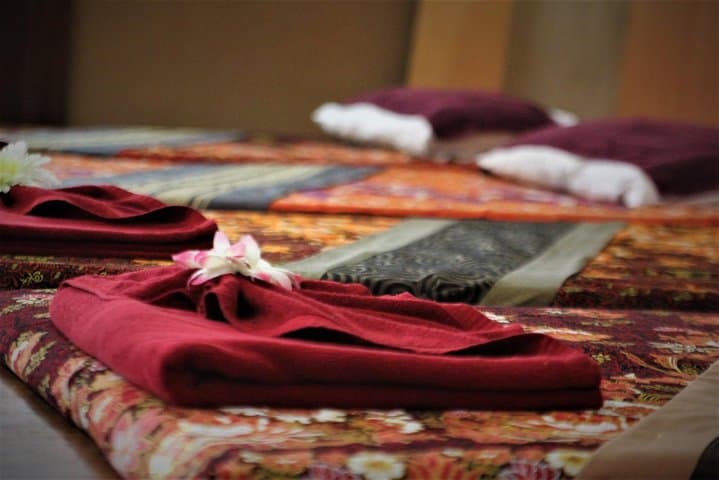
Sunlight filters through rice-paper screens into a compact training room a short walk from Bophut’s Fisherman’s Village, where the scent of lemongrass and warmed oil sets a steady tempo. Students and instructors move with careful attention: palms pressing along energy lines, thumbs tracing the sen pathways, hips and knees used as fulcrums rather than force.
Sunlight filters through rice-paper screens into a compact training room a short walk from Bophut’s Fisherman’s Village, where the scent of lemongrass and warmed oil sets a steady tempo. Students and instructors move with careful attention: palms pressing along energy lines, thumbs tracing the sen pathways, hips and knees used as fulcrums rather than force.
Thai massage on Koh Samui sits at the intersection of centuries-old healing and modern hospitality. Rooted in Southeast Asian Ayurvedic practice and credited historically to the physician Jivaka Komarabhacca, traditional Thai massage blends compression, acupressure and assisted yoga postures. On Samui—where tourism and wellness industries meet—short professional courses like this one teach foundational techniques used in hotels and independent studios across the island.
Expect a hands-on, instructor-led hour that covers basic stretches, standard hand and thumb techniques, and safety notes for common conditions. The room is simple: mats on the floor, trainer demonstrations, and supervised practice between students. Language is usually conversational English; demonstrations may include local herbal compresses and references to Thai diagnostic customs.
Practical guidance: arrive with loose, comfortable clothing and trimmed nails. Notify instructors of injuries, pregnancy or recent surgery—this course excludes contraindicated conditions. Bring a refillable water bottle, and plan for a light lunch afterward—taste the nearby Fisherman’s Village market for coconut water and herbal tea. For longer certification, ask the school about multi-day modules that expand on anatomy, pressure sequencing and business practices.