THE ADVENTURE COLLECTIVE® · Independent discovery and booking for outdoor travel

Spend an hour learning Bulgarian folk dance—circular horo and regional steps—guided by a professional instructor in Sofia or Sliven (online options available). Perfect for beginners and those wanting to refine rhythm and footwork.
Spend an hour learning Bulgarian folk dance—circular horo and regional steps—guided by a professional instructor in Sofia or Sliven (online options available). Perfect for beginners and those wanting to refine rhythm and footwork.
You step into a compact studio lit by warm bulbs, the floorboards already bearing the scuff-marks of dancers past. A live accordion and the raw vowel of a gaida (Bulgarian bagpipe) call out a steady pulse; your instructor counts off in a rhythm that feels older than the room.
Verified experiences and guided adventures in the surrounding area.
Operated by VisitBulgariaOn Bespoke Experiences · Sofia, Sofia City Province
You step into a compact studio lit by warm bulbs, the floorboards already bearing the scuff-marks of dancers past. A live accordion and the raw vowel of a gaida (Bulgarian bagpipe) call out a steady pulse; your instructor counts off in a rhythm that feels older than the room.
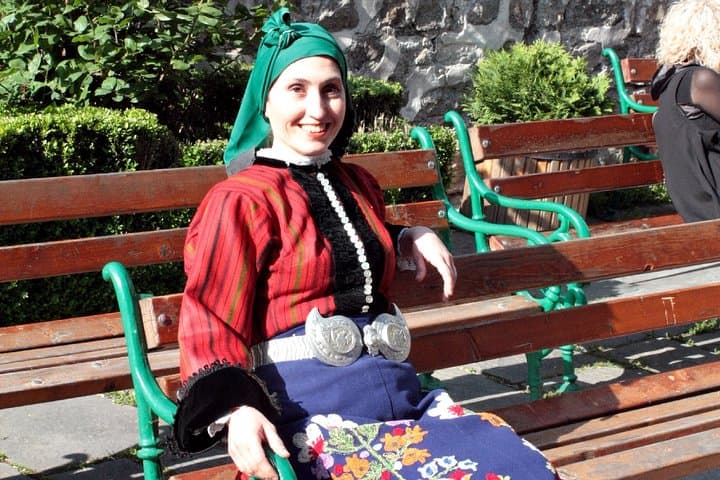
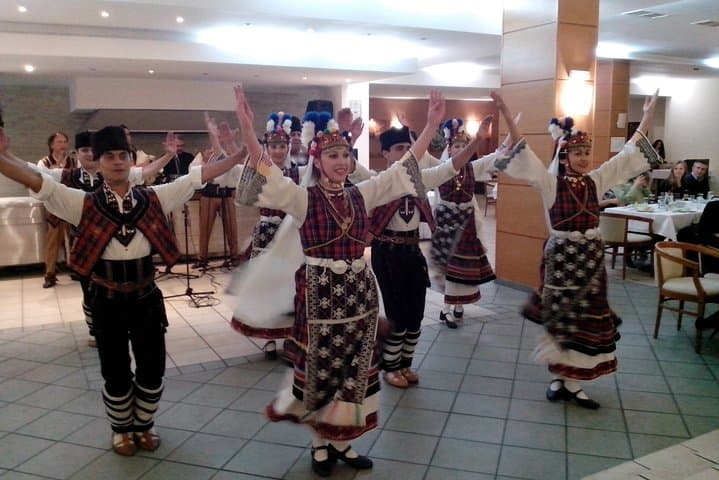
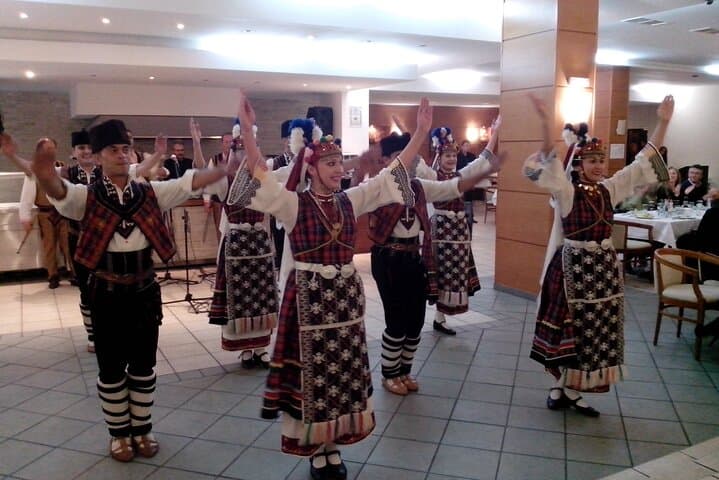
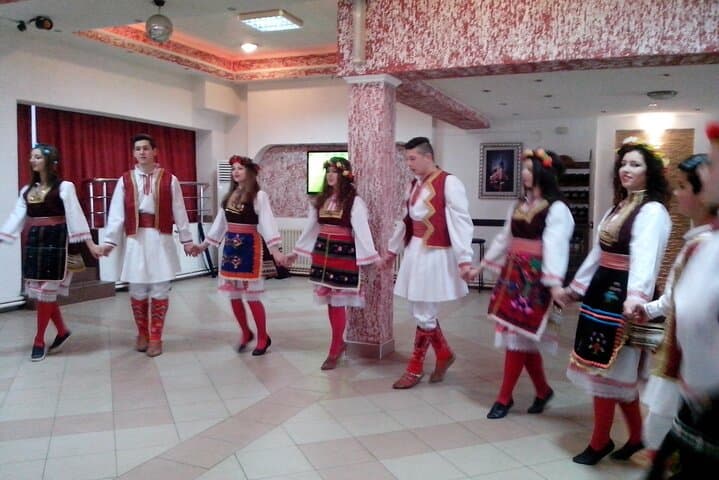
Bulgarian folk dance carries layers of history: Thracian and Slavic steps folded over centuries of Ottoman-era interchange and mountain village tradition. The uneven meters—7/8, 11/16—mirror the jagged ridges of the Balkan spine, the Stara Planina, where many regional dances were born. From the circular horo of northern towns to the quick kopanitsa of the southwest, regional styles map onto landscape and local custom.
Practical guidance is straightforward. Sessions run about an hour: Sofia classes typically begin in the evening, Sliven earlier; online options are also listed. The lesson focuses on posture, basic foot patterns, and simple handholds that make group forms click together. Expect to practice repeats and to move in and out of short line and circle formations.
Bring flexible footwear with low grip, hydrate before class, and wear layers—the tempo and your pulse can spike fast. If you’re new to asymmetric meters, ask the instructor for counts and clap patterns; photo or video permission varies, so check in ahead.
This is a low-impact, high-joy cultural immersion that rewards curiosity: you’ll leave with a handful of steps, a better ear for Bulgarian rhythms, and a clearer sense of how landscape, history, and village life shaped movement here.
easy.
1 hour.
Suitable for most fitness levels; light aerobic capacity and coordination help
No—classes are designed for beginners and those with some dance background; the instructor breaks steps down and repeats patterns.
Sessions are listed for Sofia and Sliven at set times and some listings include a remote option that requires a stable internet connection.
Policies vary, but the booking notes allow infants to sit on laps and indicate stroller and wheelchair accessibility—confirm age suitability when booking.
Many instructors teach in English or with multilingual support in tourist areas, but availability depends on the host—ask at booking if you need instruction in a particular language.
Bulgarian folk dance preserves regional forms shaped by Thracian, Slavic, and Ottoman-era influences; many steps trace communal rituals and seasonal celebrations.
Support local teachers and community-run workshops to keep intangible cultural heritage alive; choose small classes that fairly compensate instructors and use minimal resources.
VisitBulgariaOn Bespoke Experiences operates guided outdoor trips and adventures with an emphasis on safety, stewardship, and memorable experiences.
You step into a compact studio lit by warm bulbs, the floorboards already bearing the scuff-marks of dancers past. A live accordion and the raw vowel of a gaida (Bulgarian bagpipe) call out a steady pulse; your instructor counts off in a rhythm that feels older than the room.
You step into a compact studio lit by warm bulbs, the floorboards already bearing the scuff-marks of dancers past. A live accordion and the raw vowel of a gaida (Bulgarian bagpipe) call out a steady pulse; your instructor counts off in a rhythm that feels older than the room.
Bulgarian folk dance carries layers of history: Thracian and Slavic steps folded over centuries of Ottoman-era interchange and mountain village tradition. The uneven meters—7/8, 11/16—mirror the jagged ridges of the Balkan spine, the Stara Planina, where many regional dances were born. From the circular horo of northern towns to the quick kopanitsa of the southwest, regional styles map onto landscape and local custom.
Practical guidance is straightforward. Sessions run about an hour: Sofia classes typically begin in the evening, Sliven earlier; online options are also listed. The lesson focuses on posture, basic foot patterns, and simple handholds that make group forms click together. Expect to practice repeats and to move in and out of short line and circle formations.
Bring flexible footwear with low grip, hydrate before class, and wear layers—the tempo and your pulse can spike fast. If you’re new to asymmetric meters, ask the instructor for counts and clap patterns; photo or video permission varies, so check in ahead.
This is a low-impact, high-joy cultural immersion that rewards curiosity: you’ll leave with a handful of steps, a better ear for Bulgarian rhythms, and a clearer sense of how landscape, history, and village life shaped movement here.