THE ADVENTURE COLLECTIVE® · Independent discovery and booking for outdoor travel

Learn to surf or stand-up paddle in Benicàssim’s sheltered bay, where breakwaters shape steady beginner waves and federation-approved instructors lead safe, confidence-building sessions. Read on for what to expect and how to prepare.
Learn to surf or stand-up paddle in Benicàssim’s sheltered bay, where breakwaters shape steady beginner waves and federation-approved instructors lead safe, confidence-building sessions. Read on for what to expect and how to prepare.
The first thing you notice on the sand at Benicàssim is the persistent motion of the sea — small, regular sets that nudge the shore and dare you to step in. In the protected bay near the breakwaters, water flattens into forgiving peelers where boards track easily and instructors can call corrections without shouting over a heavy surf.
Verified experiences and guided adventures in the surrounding area.
Operated by MAUI SUP&SURF · Benicàssim, Castellón
The first thing you notice on the sand at Benicàssim is the persistent motion of the sea — small, regular sets that nudge the shore and dare you to step in. In the protected bay near the breakwaters, water flattens into forgiving peelers where boards track easily and instructors can call corrections without shouting over a heavy surf.
This stretch of Castellón’s coastline sits on the Mediterranean edge of the Iberian Plate. Geologically it’s a simple, sandy shelf shaped by seasonal storms and human-built breakwaters that tame swell into consistent, learner-friendly waves. Culturally the beach has long been a local weekend escape: a mix of day-trippers, families, and a steady surf-school scene that grew alongside Spain’s modern beach tourism in the late 20th century.
Expect a tidy operation with federation-approved instruction, neoprene where needed, and boards sized for beginners. Instructors focus on posture, popping to your feet, and reading the gentle sets; paddle-surf sessions emphasize balance, stroke technique, and safe boarding from shallow water. The terrain is flat sand with shallow entry, and currents are minor compared with open-coast breaks — but they still guide your session’s rhythm.
Practical tips: book mornings or late afternoons when wind eases, bring a thin neoprene top in spring/fall, and hydrate — salt, sun, and effort add up. For absolute beginners, the bay’s breakwaters provide a confidence-building classroom on water. Advanced riders won’t find heavy surf here, but it’s a reliable place to learn and refine fundamentals before tackling bigger Castellón breaks.
easy.
1–1.5 hours.
Suitable for most fitness levels; being able to stand, paddle, and swim short distances comfortably helps.
No; courses are designed for beginners with progression drills and safety briefings for first-time surfers.
The school accommodates most ages; check specific class age limits and bring ID for minors as required.
Yes — boards, leashes, and wetsuits or neoprene tops (season dependent) are included in the course price.
Courses are cancellable for full refund at least 24 hours prior; operators may reschedule if conditions are unsafe or unsuitable.
Benicàssim shifted from a 19th-century fishing village to a coastal resort; breakwaters were added in the 20th century to stabilize the shoreline and create learner-friendly coves.
Respect local marine rules and use reef-safe sunscreen; the area balances tourism with protected littoral habitats and benefits from low-impact water sports.
MAUI SUP&SURF operates guided outdoor trips and adventures with an emphasis on safety, stewardship, and memorable experiences.
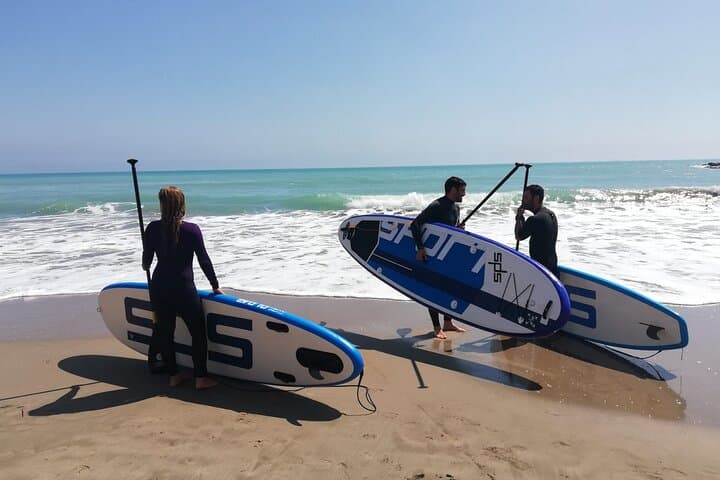
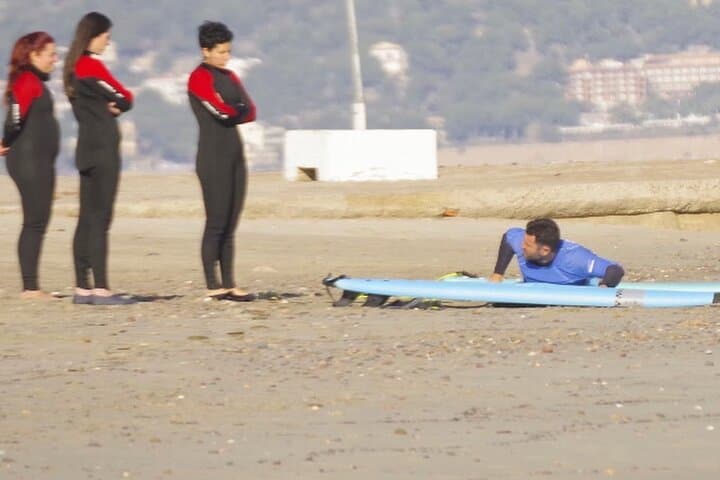
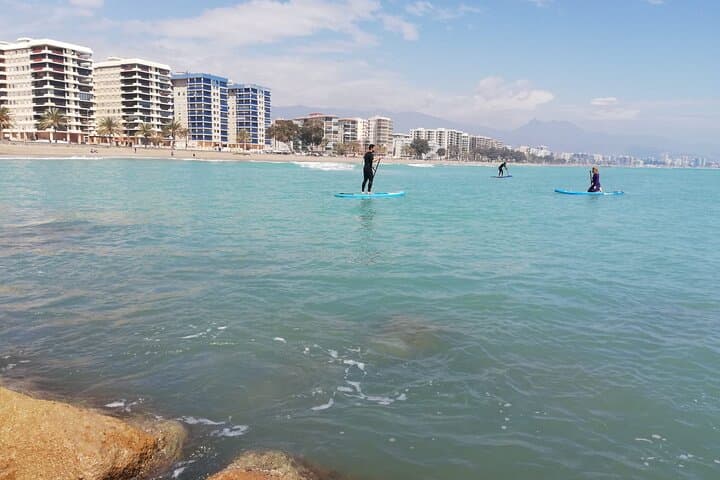
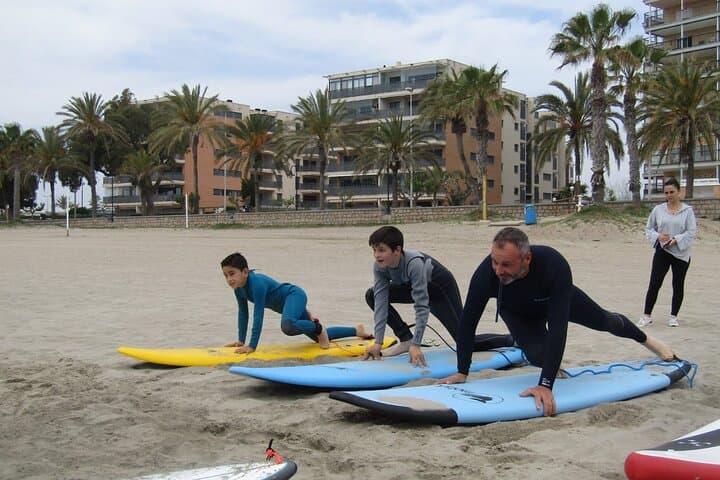
The first thing you notice on the sand at Benicàssim is the persistent motion of the sea — small, regular sets that nudge the shore and dare you to step in. In the protected bay near the breakwaters, water flattens into forgiving peelers where boards track easily and instructors can call corrections without shouting over a heavy surf.
The first thing you notice on the sand at Benicàssim is the persistent motion of the sea — small, regular sets that nudge the shore and dare you to step in. In the protected bay near the breakwaters, water flattens into forgiving peelers where boards track easily and instructors can call corrections without shouting over a heavy surf.
This stretch of Castellón’s coastline sits on the Mediterranean edge of the Iberian Plate. Geologically it’s a simple, sandy shelf shaped by seasonal storms and human-built breakwaters that tame swell into consistent, learner-friendly waves. Culturally the beach has long been a local weekend escape: a mix of day-trippers, families, and a steady surf-school scene that grew alongside Spain’s modern beach tourism in the late 20th century.
Expect a tidy operation with federation-approved instruction, neoprene where needed, and boards sized for beginners. Instructors focus on posture, popping to your feet, and reading the gentle sets; paddle-surf sessions emphasize balance, stroke technique, and safe boarding from shallow water. The terrain is flat sand with shallow entry, and currents are minor compared with open-coast breaks — but they still guide your session’s rhythm.
Practical tips: book mornings or late afternoons when wind eases, bring a thin neoprene top in spring/fall, and hydrate — salt, sun, and effort add up. For absolute beginners, the bay’s breakwaters provide a confidence-building classroom on water. Advanced riders won’t find heavy surf here, but it’s a reliable place to learn and refine fundamentals before tackling bigger Castellón breaks.