THE ADVENTURE COLLECTIVE® · Independent discovery and booking for outdoor travel

Small-group surf lessons on the Algarve combine experienced coaching with flexible beach choices along Lagos’ scenic coast. Learn ocean safety, paddling and basic turns in a three-hour session suited to confident swimmers.
Small-group surf lessons on the Algarve combine experienced coaching with flexible beach choices along Lagos’ scenic coast. Learn ocean safety, paddling and basic turns in a three-hour session suited to confident swimmers.
You step onto a wide, wind-scoured beach as the Atlantic pushes and pulls like a living thing — the foam daring you to take it on. In Lagos the shoreline opens into long sandy arms and rock-carved bays; surf instructors watch the sets and read the water with the patience of fishermen.
Verified experiences and guided adventures in the surrounding area.
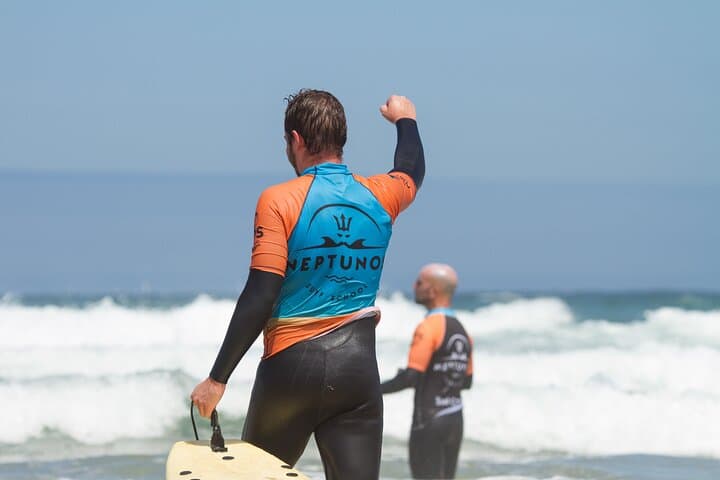
Operated by King Neptunos Surf School · Lagos, Faro District
You step onto a wide, wind-scoured beach as the Atlantic pushes and pulls like a living thing — the foam daring you to take it on. In Lagos the shoreline opens into long sandy arms and rock-carved bays; surf instructors watch the sets and read the water with the patience of fishermen.
This stretch of the Algarve has a layered history: Phoenician and Roman trade, a seafaring Golden Age, then a quieter century of fishermen and cork harvesters. Geology here alternates soft, honey-colored limestones and harder promontories that shape consistent beach breaks. Local culture mixes low-key tourism with fishing villages where cafés still serve morning sardines.
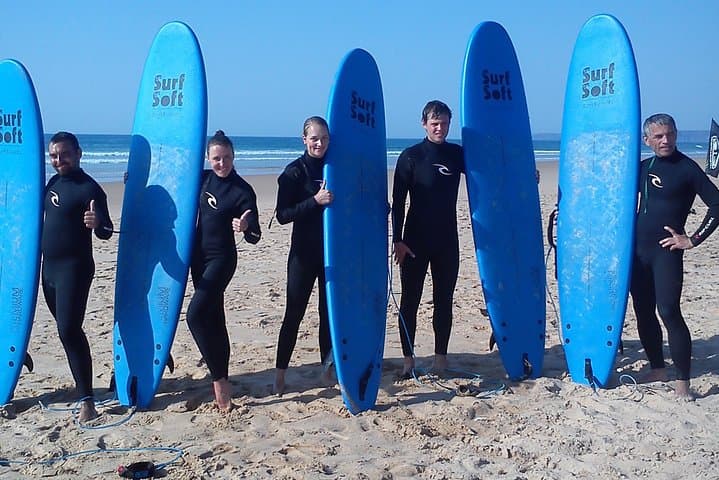
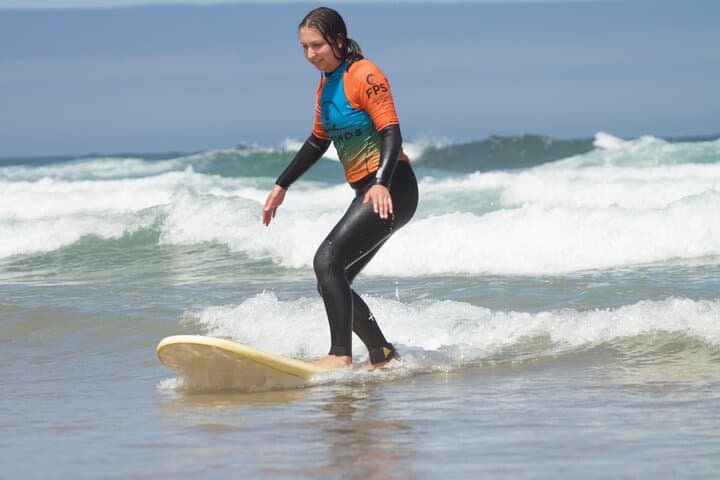
Lessons run in small groups (max eight) and are run by coaches with decades of experience, so you’ll spend as much time in the water practicing pop-ups and paddling as you do on the sand. Expect progressive coaching: safety and ocean awareness first, then positioning, timing, and linking small turns. Weather and swell dictate the exact beach; instructors may move to a more sheltered bay on choppier days.
Practical guidance: arrive 20–30 minutes early to sign waivers and get fitted for a wetsuit, know how to swim, and bring a towel and water. Low tide exposes more learning space; mid-morning sessions often find cleaner lines before afternoon winds pick up. Wear reef booties if you’re sensitive to rocks; use biodegradable sunscreen and rinse gear after saltwater. For a first lesson, moderate fitness and a readiness to paddle will make the day smoother — and more fun.
moderate.
3 hours.
Moderate — you should be able to swim and do repeated paddling; basic upper-body endurance helps.
No — classes are designed for beginners and mixed-ability groups; instructors start with ocean safety and basic pop-up drills.
Yes — the school provides suit and board, but you can bring your own gear if preferred.
Lessons may be rescheduled or moved to a more sheltered beach; the operator reserves the right to cancel for safety reasons.
Some bookings include transport — confirm your selected pickup point during booking and provide required passenger details.
Lagos and the surrounding coast were once a hub for Age of Discovery expeditions; fishing and maritime trade shaped local settlements and boatbuilding traditions.
This coastline borders sensitive marine habitats and protected zones; use reef-safe sunscreen, avoid trampling dune vegetation, and respect local signage for nesting birds.
King Neptunos Surf School operates guided outdoor trips and adventures with an emphasis on safety, stewardship, and memorable experiences.
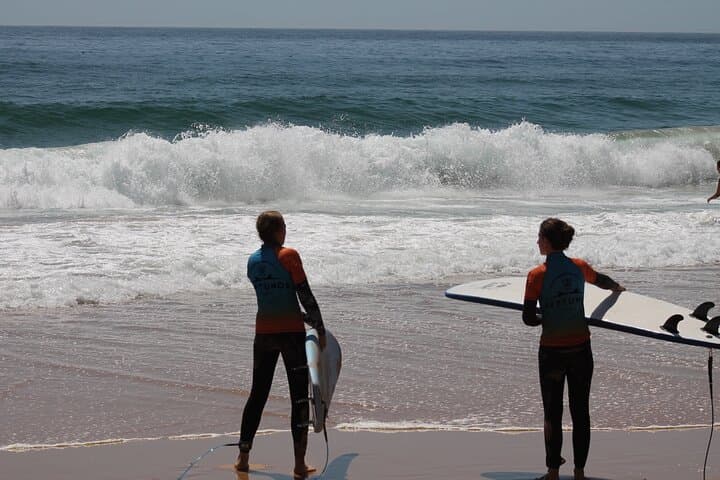
You step onto a wide, wind-scoured beach as the Atlantic pushes and pulls like a living thing — the foam daring you to take it on. In Lagos the shoreline opens into long sandy arms and rock-carved bays; surf instructors watch the sets and read the water with the patience of fishermen.
You step onto a wide, wind-scoured beach as the Atlantic pushes and pulls like a living thing — the foam daring you to take it on. In Lagos the shoreline opens into long sandy arms and rock-carved bays; surf instructors watch the sets and read the water with the patience of fishermen.
This stretch of the Algarve has a layered history: Phoenician and Roman trade, a seafaring Golden Age, then a quieter century of fishermen and cork harvesters. Geology here alternates soft, honey-colored limestones and harder promontories that shape consistent beach breaks. Local culture mixes low-key tourism with fishing villages where cafés still serve morning sardines.
Lessons run in small groups (max eight) and are run by coaches with decades of experience, so you’ll spend as much time in the water practicing pop-ups and paddling as you do on the sand. Expect progressive coaching: safety and ocean awareness first, then positioning, timing, and linking small turns. Weather and swell dictate the exact beach; instructors may move to a more sheltered bay on choppier days.
Practical guidance: arrive 20–30 minutes early to sign waivers and get fitted for a wetsuit, know how to swim, and bring a towel and water. Low tide exposes more learning space; mid-morning sessions often find cleaner lines before afternoon winds pick up. Wear reef booties if you’re sensitive to rocks; use biodegradable sunscreen and rinse gear after saltwater. For a first lesson, moderate fitness and a readiness to paddle will make the day smoother — and more fun.