THE ADVENTURE COLLECTIVE® · Independent discovery and booking for outdoor travel

Stand up on your first wave with a Native Hawaiian instructor at Waikiki. This two-hour beginner lesson combines cultural context, ocean safety, and hands-on coaching on the iconic shores of Oʻahu.
Stand up on your first wave with a Native Hawaiian instructor at Waikiki. This two-hour beginner lesson combines cultural context, ocean safety, and hands-on coaching on the iconic shores of Oʻahu.
On a bright Waikiki morning the shoreline hums with activity and the Pacific shapes the lesson plan.
Verified experiences and guided adventures in the surrounding area.
Operated by Hawaiian Boy Surf School · Honolulu, Hawaii
On a bright Waikiki morning the shoreline hums with activity and the Pacific shapes the lesson plan.
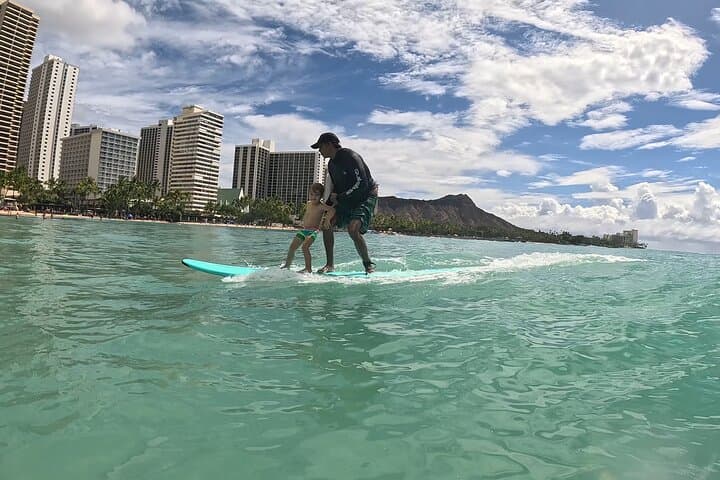
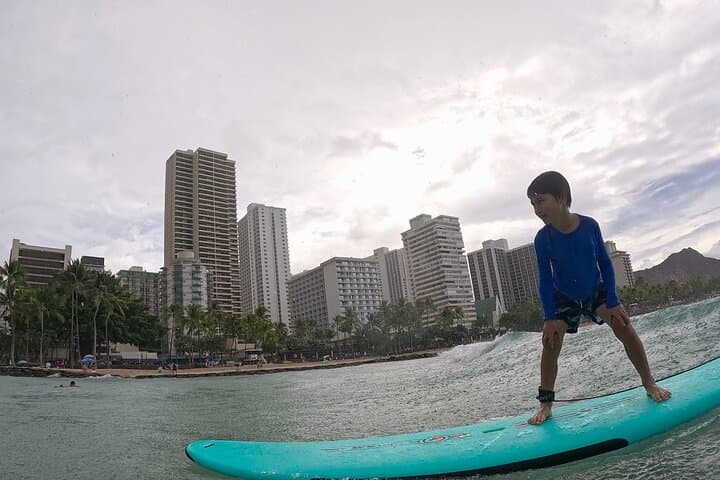
Students gather at the Duke Kahanamoku statue — a meeting point that links modern instruction to a long Hawaiian waterman tradition. Instructors here are Native Hawaiian lifeguard-certified guides who emphasize ocean awareness before foot meets board. The sand slopes gently into a protected reef break; waves in front of Waikiki are typically small to medium, forgiving for first stands but dynamic enough to teach balance and timing.
Historically, Waikiki was a royal playground for ali‘i (chiefs) where surfing evolved as both sport and cultural practice. Geologically, the bay is an erosional shelf formed by ancient lava flows from Oʻahu’s volcanoes; coral outcrops and sandy channels together shape where waves peel and where they close out.
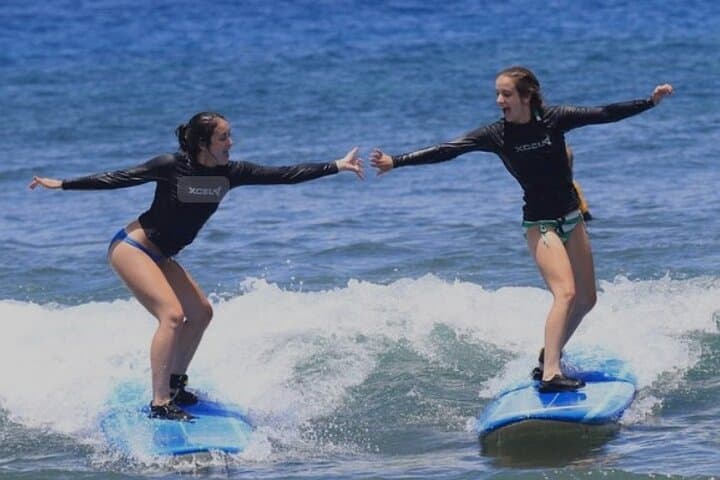
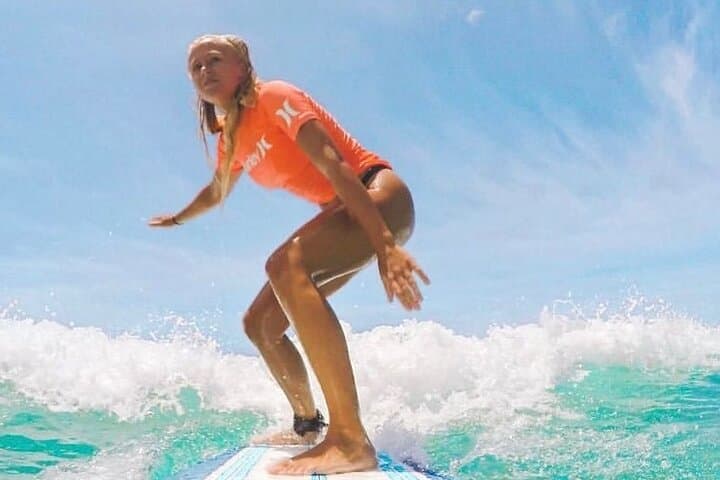
Expect a 2-hour session that starts with a water-safety assessment, paddling drills on the beach, and guided attempts to pop up and ride short green waves. Small group or private formats mean personalized feedback and repeated attempts until instructors are confident you’ll stand up on your first ride.
Practical notes: arrive hydrated, with reef-safe sunscreen and a snug swim top or rash guard. Footwear is optional but reef booties help on sharp reef. Timing lessons for morning slack tides reduces current and swells—ask instructors about conditions the day of your booking. Respect local etiquette: listen to instructors, yield to experienced surfers, and never touch coral or marine life. With proper briefings and respect for the ocean, a Waikiki beginner lesson offers a safe, culturally grounded introduction to surfing.
easy.
2 hours.
Suitable for most fitness levels; basic swimming ability and comfort in open water required
No; lessons are designed for beginners with an aquatic assessment to tailor instruction to your comfort and skills.
Age policies vary—check with the operator, but many schools accept children who can swim; infants and small children may require parent participation.
Bring a swimsuit, towel, rash guard, reef-safe sunscreen, water, and a change of clothes; footwear is optional depending on entry conditions.
Participants must be comfortable in the water; instructors will provide a safety assessment and may require a water-safety course for those not confident swimming.
Waikiki’s surf culture traces to ancient Hawaiian royalty and was popularized globally by Duke Kahanamoku, a noted Hawaiian swimmer and world champion.
Use reef-safe sunscreen, avoid standing on or touching coral, and follow instructor guidance to minimize impact on sensitive reef habitats.
Hawaiian Boy Surf School operates guided outdoor trips and adventures with an emphasis on safety, stewardship, and memorable experiences.
On a bright Waikiki morning the shoreline hums with activity and the Pacific shapes the lesson plan.
On a bright Waikiki morning the shoreline hums with activity and the Pacific shapes the lesson plan.
Students gather at the Duke Kahanamoku statue — a meeting point that links modern instruction to a long Hawaiian waterman tradition. Instructors here are Native Hawaiian lifeguard-certified guides who emphasize ocean awareness before foot meets board. The sand slopes gently into a protected reef break; waves in front of Waikiki are typically small to medium, forgiving for first stands but dynamic enough to teach balance and timing.
Historically, Waikiki was a royal playground for ali‘i (chiefs) where surfing evolved as both sport and cultural practice. Geologically, the bay is an erosional shelf formed by ancient lava flows from Oʻahu’s volcanoes; coral outcrops and sandy channels together shape where waves peel and where they close out.
Expect a 2-hour session that starts with a water-safety assessment, paddling drills on the beach, and guided attempts to pop up and ride short green waves. Small group or private formats mean personalized feedback and repeated attempts until instructors are confident you’ll stand up on your first ride.
Practical notes: arrive hydrated, with reef-safe sunscreen and a snug swim top or rash guard. Footwear is optional but reef booties help on sharp reef. Timing lessons for morning slack tides reduces current and swells—ask instructors about conditions the day of your booking. Respect local etiquette: listen to instructors, yield to experienced surfers, and never touch coral or marine life. With proper briefings and respect for the ocean, a Waikiki beginner lesson offers a safe, culturally grounded introduction to surfing.