THE ADVENTURE COLLECTIVE® · Independent discovery and booking for outdoor travel

Two-hour surf lessons in Tamarindo teach paddling, pop-ups and wave reading with certified local instructors. Perfect for first-timers or those sharpening fundamentals on gentle Pacific breaks.
Two-hour surf lessons in Tamarindo teach paddling, pop-ups and wave reading with certified local instructors. Perfect for first-timers or those sharpening fundamentals on gentle Pacific breaks.
The ocean opens like a language here — steady, readable, forgiving. You meet your instructor on a sun-warmed beach in Tamarindo, rashguard in hand, board underarm, and the Pacific already shaping soft lines on the horizon. The lesson begins on sand: pop-ups drilled until they feel automatic, then a short paddle out where small waves start to do the teaching for you.
Verified experiences and guided adventures in the surrounding area.
Operated by Native's Way Costa Rica · Tamarindo, Guanacaste
The ocean opens like a language here — steady, readable, forgiving. You meet your instructor on a sun-warmed beach in Tamarindo, rashguard in hand, board underarm, and the Pacific already shaping soft lines on the horizon. The lesson begins on sand: pop-ups drilled until they feel automatic, then a short paddle out where small waves start to do the teaching for you.
Tamarindo’s reputation rose in the 1960s and 70s with visiting filmmakers and traveling surfers; today the bay remains a consistent beginner break because of its long, sandy bottom and protected approach. The nearby volcanic geology produces mellow reef and sandbars, while the Guanacaste coast’s trade winds shape predictable morning conditions.
Locally run schools mean you’ll get coaching steeped in place — not just technique but etiquette, wave selection and how tides change the break. Expect instructors who grew up reading the same swell charts they now teach from, and a friendly surf culture that balances progression with respect for the lineup.
Practical guidance: lessons are roughly two hours, include board and rashguard, and require basic swimming ability. Arrive 10 minutes early, hydrate, apply reef-safe sunscreen and wear snug swimwear; children 4–9 need private one-on-one lessons. Sessions run rain or shine but are occasionally shifted for tides or severe weather.
By the end you’ll have practiced paddling, popping up, board position and stance — and, most valuable, the calm confidence of someone who knows how to move with a wave rather than fight it.
easy.
2 hours.
Light aerobic fitness and basic swimming proficiency; you should be comfortable paddling and treading water.
No — lessons are tailored for beginners and intermediates; instructors start on land drills then progress in water at your pace.
Children aged 4–9 must book private one-on-one lessons; older kids and adults can join shared lessons if they meet swimming requirements.
Lessons operate rain or shine; severe weather or unsafe tides may cause rescheduling and you’ll be offered alternatives or refunds per the provider’s policy.
Yes — the lesson includes surfboard use and a rashguard; lockers are available at the office for belongings and a paid professional photo service may be offered.
Tamarindo grew from a small fishing village into a surf destination after exposure from traveling surfers and films in the 20th century; its long sandbar breaks made it a training ground for newcomers.
Local groups run beach cleanups and turtle-nesting protections; use reef-safe sunscreen and follow instructor guidance to minimize impact on fragile sandbars and marine life.
Native's Way Costa Rica operates guided outdoor trips and adventures with an emphasis on safety, stewardship, and memorable experiences.
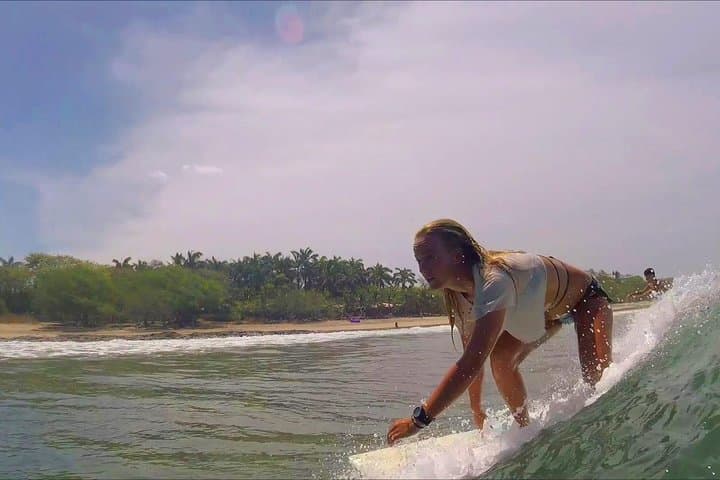
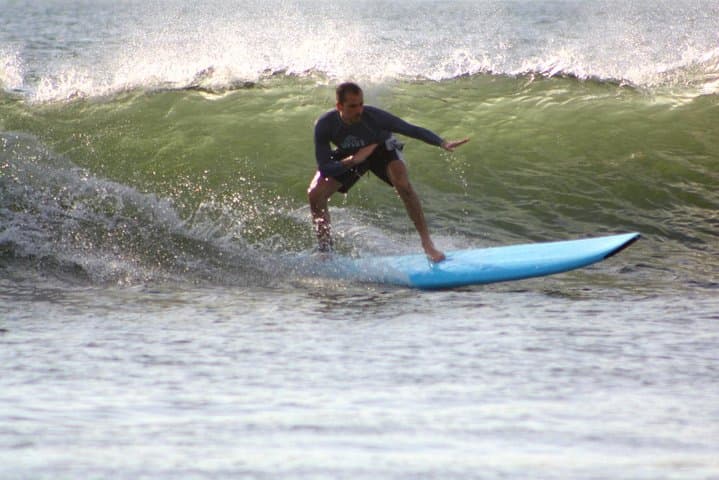
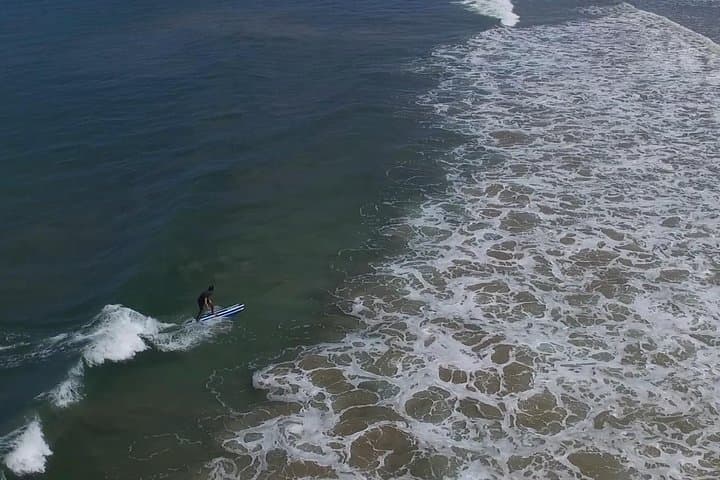
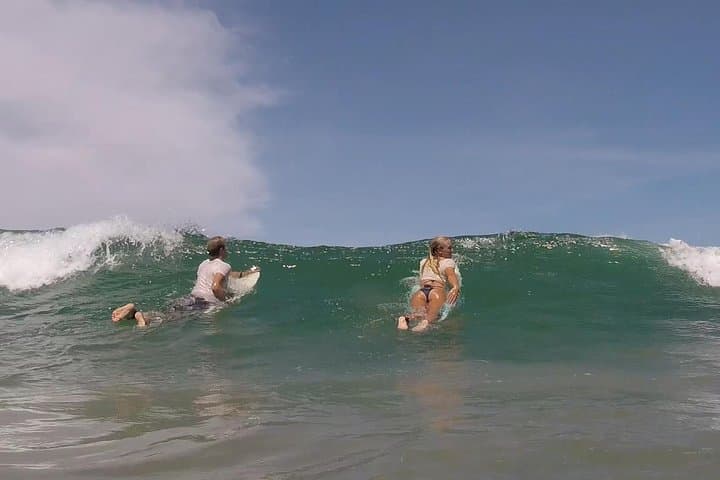
The ocean opens like a language here — steady, readable, forgiving. You meet your instructor on a sun-warmed beach in Tamarindo, rashguard in hand, board underarm, and the Pacific already shaping soft lines on the horizon. The lesson begins on sand: pop-ups drilled until they feel automatic, then a short paddle out where small waves start to do the teaching for you.
The ocean opens like a language here — steady, readable, forgiving. You meet your instructor on a sun-warmed beach in Tamarindo, rashguard in hand, board underarm, and the Pacific already shaping soft lines on the horizon. The lesson begins on sand: pop-ups drilled until they feel automatic, then a short paddle out where small waves start to do the teaching for you.
Tamarindo’s reputation rose in the 1960s and 70s with visiting filmmakers and traveling surfers; today the bay remains a consistent beginner break because of its long, sandy bottom and protected approach. The nearby volcanic geology produces mellow reef and sandbars, while the Guanacaste coast’s trade winds shape predictable morning conditions.
Locally run schools mean you’ll get coaching steeped in place — not just technique but etiquette, wave selection and how tides change the break. Expect instructors who grew up reading the same swell charts they now teach from, and a friendly surf culture that balances progression with respect for the lineup.
Practical guidance: lessons are roughly two hours, include board and rashguard, and require basic swimming ability. Arrive 10 minutes early, hydrate, apply reef-safe sunscreen and wear snug swimwear; children 4–9 need private one-on-one lessons. Sessions run rain or shine but are occasionally shifted for tides or severe weather.
By the end you’ll have practiced paddling, popping up, board position and stance — and, most valuable, the calm confidence of someone who knows how to move with a wave rather than fight it.