THE ADVENTURE COLLECTIVE® · Independent discovery and booking for outdoor travel

Spend two focused hours learning to read the surf and stand up on a board in South Beach. This small-group lesson combines a beach-side skills primer with guided ocean time, gear included.
Spend two focused hours learning to read the surf and stand up on a board in South Beach. This small-group lesson combines a beach-side skills primer with guided ocean time, gear included.
The Atlantic presses and releases itself along South Beach, and for two hours you’ll be part of that rhythm — paddling through a slick band of water, feeling the board find its plane as a small green wall of wave lifts you forward. The lesson meets at 3 Washington Ave, a short walk from the sand where instructors run a brisk shore clinic before guiding students into waist‑to‑chest high surf.
Verified experiences and guided adventures in the surrounding area.
Operated by Miami Adventures Tours · Miami Beach, Florida
The Atlantic presses and releases itself along South Beach, and for two hours you’ll be part of that rhythm — paddling through a slick band of water, feeling the board find its plane as a small green wall of wave lifts you forward. The lesson meets at 3 Washington Ave, a short walk from the sand where instructors run a brisk shore clinic before guiding students into waist‑to‑chest high surf.
Miami Beach is a young, human-shaped coastline carved from dredging and development in the early 20th century, sitting on a barrier island washed by the Gulf Stream. Unlike Hawaii’s reef breaks, South Florida surf is shaped by continental shelf swells, tides and local wind — waves are usually forgiving for beginners, but currents and rips demand respect. The local surf culture favors accessibility: rental boards, taught progression, and a community that welcomes new riders.
Practically, expect a 20–30 minute on‑beach primer (pop‑ups, positioning, safety) followed by 60–80 minutes of in‑water coaching in small groups. Boards are provided and lockers are available in the van. Lessons are best in morning or late afternoon when winds are lighter and temperatures are cooler.
Bring a snug swimsuit or trunks, a UV shirt, reef‑safe sunscreen, and a water bottle. Listen closely to instructors about rip currents and signals; they’ll pace the session to your comfort level and focus on repeated attempts — the fastest progress comes from comfortable, frequent pops to your feet.
This is a practical, confidence‑building intro to ocean skills: not just riding waves, but reading them, respecting them, and returning home with real technique to practice.
moderate.
2 hours.
Moderate fitness; comfortable paddling and ability to pop up on a board repeatedly is helpful
Yes — basic swimming ability and comfort in open water are required; instructors stay close but expect participants to manage short swims and floating.
If surf is flat the lesson transitions to on‑beach technique drills and paddle practice, with options to try stand up paddleboarding if conditions allow.
Surfboards are included; instructors usually offer leashes and basic rash protection, but bring your own if you prefer a specific fit.
Lessons target beginners to low‑intermediate riders; participants should be in moderate physical condition and follow medical restrictions—pregnant travelers and those with serious back or heart issues are advised not to participate.
Miami Beach developed as a resort destination in the early 20th century; the island’s beaches are the product of dredging and imported sand shaped by Atlantic currents.
Use reef‑safe sunscreen, pack out trash, and avoid stepping on dune vegetation; sea turtle nesting and coastal erosion are active local conservation concerns.
Miami Adventures Tours operates guided outdoor trips and adventures with an emphasis on safety, stewardship, and memorable experiences.
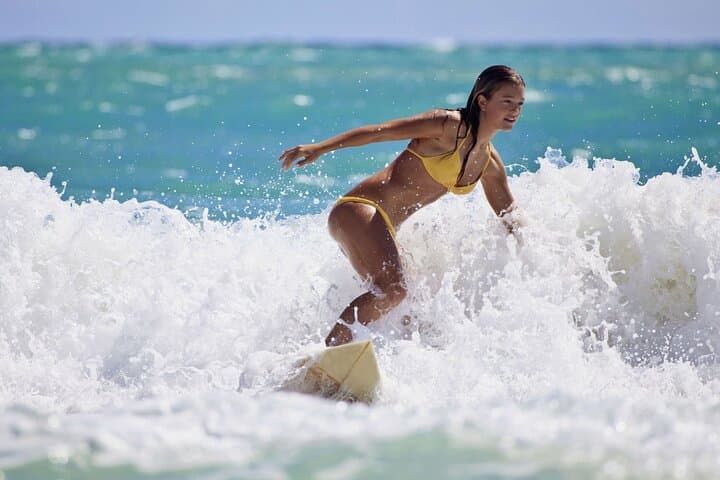
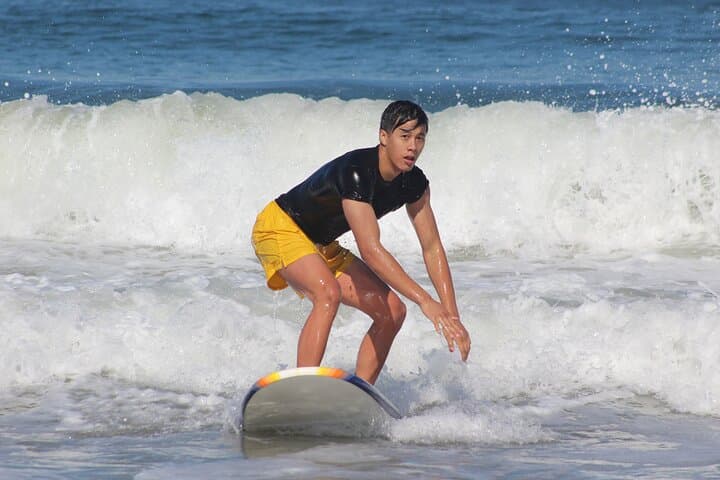
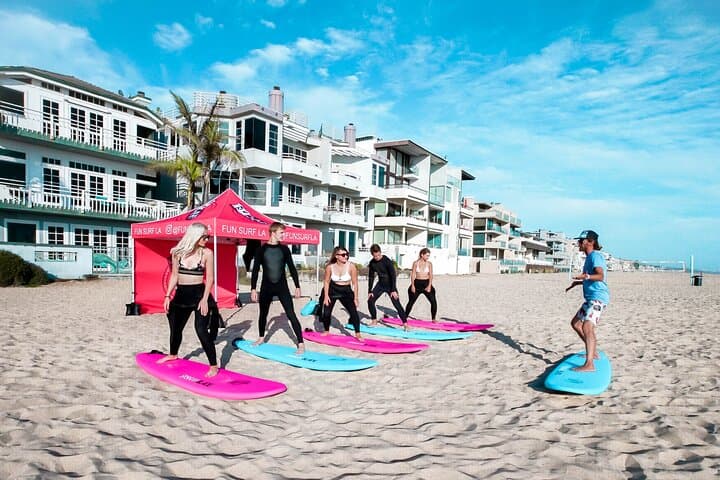
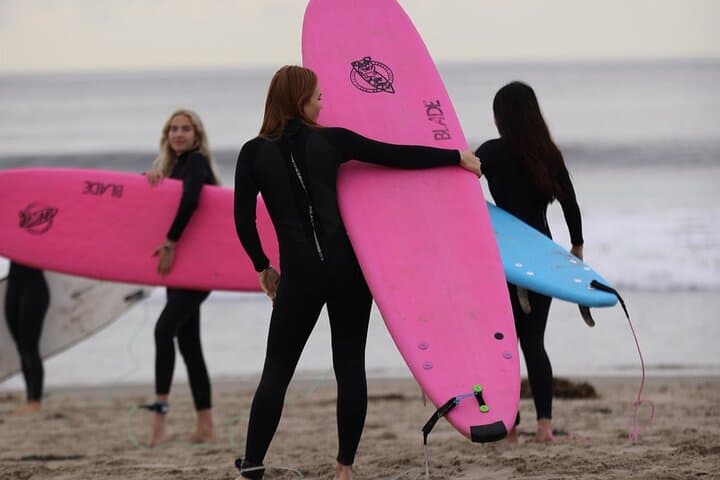
The Atlantic presses and releases itself along South Beach, and for two hours you’ll be part of that rhythm — paddling through a slick band of water, feeling the board find its plane as a small green wall of wave lifts you forward. The lesson meets at 3 Washington Ave, a short walk from the sand where instructors run a brisk shore clinic before guiding students into waist‑to‑chest high surf.
The Atlantic presses and releases itself along South Beach, and for two hours you’ll be part of that rhythm — paddling through a slick band of water, feeling the board find its plane as a small green wall of wave lifts you forward. The lesson meets at 3 Washington Ave, a short walk from the sand where instructors run a brisk shore clinic before guiding students into waist‑to‑chest high surf.
Miami Beach is a young, human-shaped coastline carved from dredging and development in the early 20th century, sitting on a barrier island washed by the Gulf Stream. Unlike Hawaii’s reef breaks, South Florida surf is shaped by continental shelf swells, tides and local wind — waves are usually forgiving for beginners, but currents and rips demand respect. The local surf culture favors accessibility: rental boards, taught progression, and a community that welcomes new riders.
Practically, expect a 20–30 minute on‑beach primer (pop‑ups, positioning, safety) followed by 60–80 minutes of in‑water coaching in small groups. Boards are provided and lockers are available in the van. Lessons are best in morning or late afternoon when winds are lighter and temperatures are cooler.
Bring a snug swimsuit or trunks, a UV shirt, reef‑safe sunscreen, and a water bottle. Listen closely to instructors about rip currents and signals; they’ll pace the session to your comfort level and focus on repeated attempts — the fastest progress comes from comfortable, frequent pops to your feet.
This is a practical, confidence‑building intro to ocean skills: not just riding waves, but reading them, respecting them, and returning home with real technique to practice.