THE ADVENTURE COLLECTIVE® · Independent discovery and booking for outdoor travel

Short, practical surf lessons on Maspalomas’ sheltered south coast teach pop-up technique, wave selection and two hours of guided ocean practice using supplied boards and neoprene. Ideal for first-timers who can swim and want a hands-on introduction to Atlantic waves.
Short, practical surf lessons on Maspalomas’ sheltered south coast teach pop-up technique, wave selection and two hours of guided ocean practice using supplied boards and neoprene. Ideal for first-timers who can swim and want a hands-on introduction to Atlantic waves.
The Atlantic peels off the south coast of Gran Canaria in a steady rhythm, and here on the wide beaches near Maspalomas the ocean dares you to stand up. A beginner’s surf lesson begins on sand: instructors demonstrate pop-ups, foot placement and wave selection as wind-cooled air moves the scent of salt and volcanic rock inland.
Verified experiences and guided adventures in the surrounding area.
Operated by Southcoast surfschool · Maspalomas, Gran Canaria
The Atlantic peels off the south coast of Gran Canaria in a steady rhythm, and here on the wide beaches near Maspalomas the ocean dares you to stand up. A beginner’s surf lesson begins on sand: instructors demonstrate pop-ups, foot placement and wave selection as wind-cooled air moves the scent of salt and volcanic rock inland.
Maspalomas sits on volcanic terrain shaped by ancient eruptions and coastal erosion; dunes to the east record wind and sea shifts while the shore provides consistent, learner-friendly waves created by the sheltered south coast orientation. The area’s modern tourism grew mid-20th century, but the sea and dunes remain central to local identity—fishermen, hotel staff and surf instructors all read the same tides.
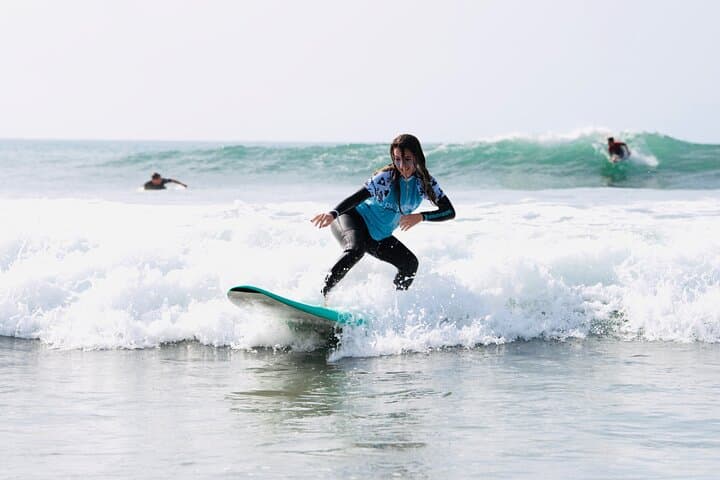
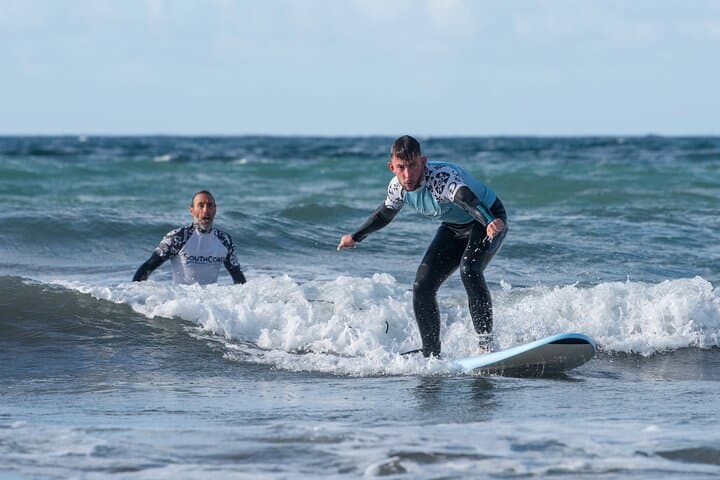
Lessons combine a 20–30 minute shore briefing with guided water time of about two hours, using soft-top boards and neoprene supplied by operators. Expect waist-to-chest high waves on most days, forgiving whitewater for first stands and occasional stronger sets that test timing.
Practical guidance: arrive with a light breakfast, bring reef-safe sunscreen and a water bottle, and wear a layered swimsuit for changing breezes. Plan lessons around late morning or early afternoon for steadier winds and lifeguard coverage; instructors will assess conditions and adapt exercises accordingly.
This is a low-barrier introduction to surfing—technical progress depends on repetition and posture—so treat the session as skills practice: paddle technique, timing, and the pop-up. Leave room in your schedule for a repeat session—the ocean rewards patience and persistence.
easy.
2–3 hours.
Basic cardiovascular fitness and comfortable swimming in surf; able to stand up from prone position repeatedly.
No — this course is designed for beginners; instructors start with land drills and progress to controlled whitewater practice in the ocean.
Yes — soft-top surfboards and neoprene wetsuits are included, along with basic safety instruction.
Wear a swimsuit or boardshorts with a rash guard if you have one; bring a towel and change of clothes for after the lesson.
Not recommended — participants should be comfortable in open water and able to tread water; operators may refuse entry for safety reasons.
Maspalomas developed as a tourist center in the 20th century but rests on much older volcanic formations; the dunes are a protected coastal landscape.
Respect dune fencing and signage—walking off designated paths damages fragile habitats; choose operators that use reef-safe products and follow local waste guidelines.
Southcoast surfschool operates guided outdoor trips and adventures with an emphasis on safety, stewardship, and memorable experiences.
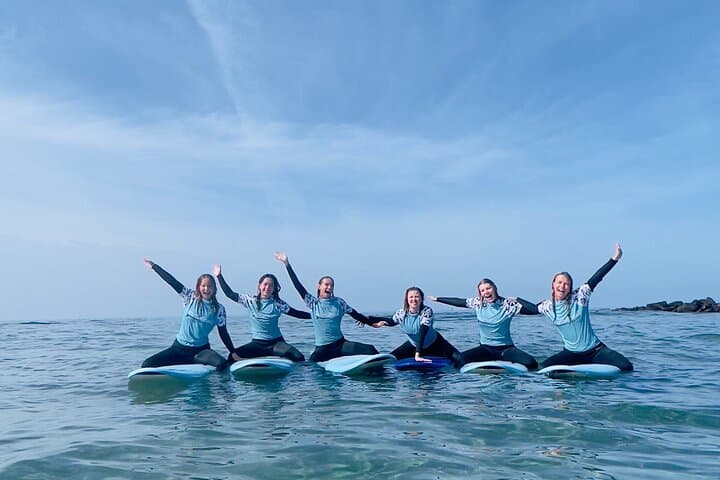
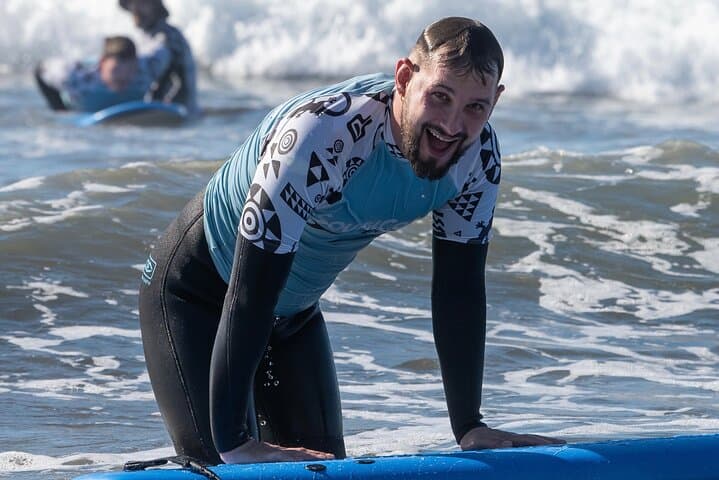
The Atlantic peels off the south coast of Gran Canaria in a steady rhythm, and here on the wide beaches near Maspalomas the ocean dares you to stand up. A beginner’s surf lesson begins on sand: instructors demonstrate pop-ups, foot placement and wave selection as wind-cooled air moves the scent of salt and volcanic rock inland.
The Atlantic peels off the south coast of Gran Canaria in a steady rhythm, and here on the wide beaches near Maspalomas the ocean dares you to stand up. A beginner’s surf lesson begins on sand: instructors demonstrate pop-ups, foot placement and wave selection as wind-cooled air moves the scent of salt and volcanic rock inland.
Maspalomas sits on volcanic terrain shaped by ancient eruptions and coastal erosion; dunes to the east record wind and sea shifts while the shore provides consistent, learner-friendly waves created by the sheltered south coast orientation. The area’s modern tourism grew mid-20th century, but the sea and dunes remain central to local identity—fishermen, hotel staff and surf instructors all read the same tides.
Lessons combine a 20–30 minute shore briefing with guided water time of about two hours, using soft-top boards and neoprene supplied by operators. Expect waist-to-chest high waves on most days, forgiving whitewater for first stands and occasional stronger sets that test timing.
Practical guidance: arrive with a light breakfast, bring reef-safe sunscreen and a water bottle, and wear a layered swimsuit for changing breezes. Plan lessons around late morning or early afternoon for steadier winds and lifeguard coverage; instructors will assess conditions and adapt exercises accordingly.
This is a low-barrier introduction to surfing—technical progress depends on repetition and posture—so treat the session as skills practice: paddle technique, timing, and the pop-up. Leave room in your schedule for a repeat session—the ocean rewards patience and persistence.