THE ADVENTURE COLLECTIVE® · Independent discovery and booking for outdoor travel

Five two-hour lessons on Kuta Beach teach paddling, pop-ups, turning and ocean safety with modern gear and local coaches. Expect early mornings, classroom briefings and guided practice in beach-break conditions.
Five two-hour lessons on Kuta Beach teach paddling, pop-ups, turning and ocean safety with modern gear and local coaches. Expect early mornings, classroom briefings and guided practice in beach-break conditions.
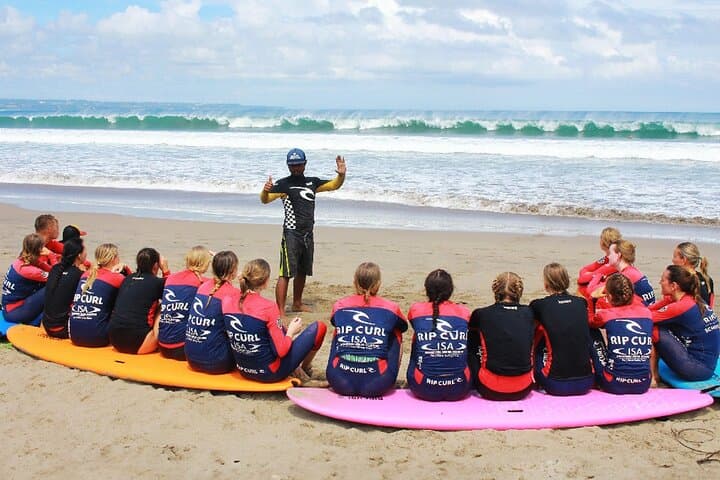
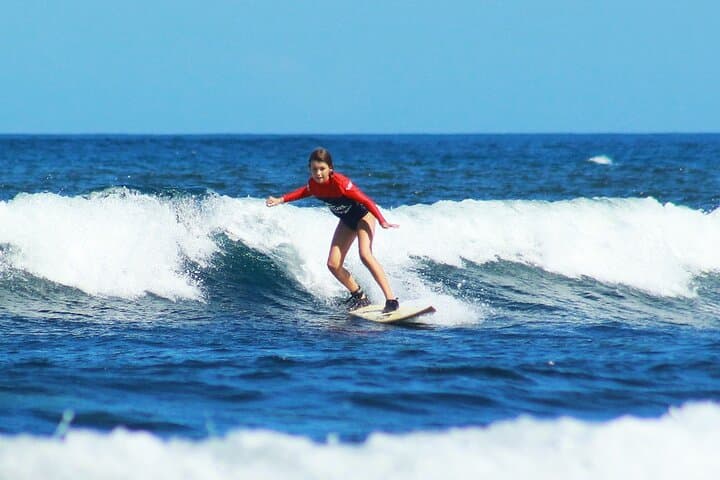
The morning pulls itself over Kuta Beach in a thin silver sheet as instructors check boards and the ocean tests the light — waves chewing and then pushing you forward like a coaxing hand. You step into knee-deep water, board beneath you, while coaches break down paddling, pop-ups and the etiquette that keeps dozens of surfers sharing a single peel.
Verified experiences and guided adventures in the surrounding area.
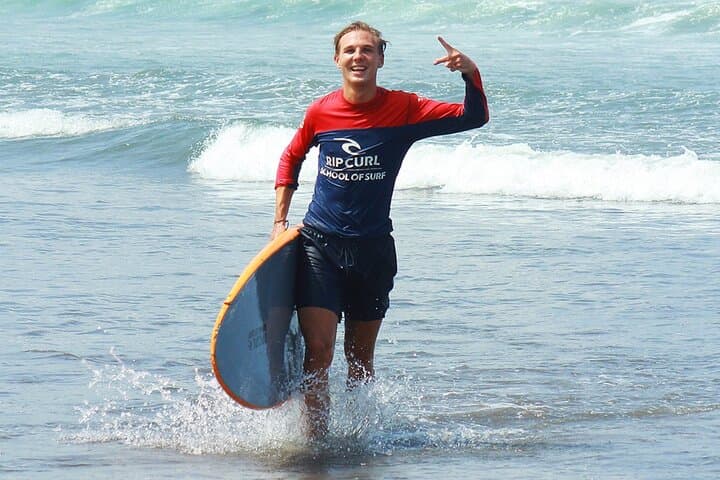
Operated by Rip Curl School Of Surf · Kuta, Bali
The morning pulls itself over Kuta Beach in a thin silver sheet as instructors check boards and the ocean tests the light — waves chewing and then pushing you forward like a coaxing hand. You step into knee-deep water, board beneath you, while coaches break down paddling, pop-ups and the etiquette that keeps dozens of surfers sharing a single peel.
Bali’s coast sits on young volcanic land; the sand and beach-break waves here are shaped by offshore reefs and seasonal swell directions. Kuta evolved from a fishing village into one of Indonesia’s busiest surf hubs in the late 20th century, and local surf schools blend Western technique with island knowledge: reading channels, timing sets and respecting local lineups.
Expect a mix of classroom theory and hands-on practice across five two-hour sessions — focusing on paddling efficiency, pop-up mechanics, riding stance, basic turns, and ocean safety. The instructors’ routine includes shore drills, guided paddle-outs through natural channels, and progressions tailored to beach-break conditions.
Practically, plan for early lessons when winds are light and waves cleaner; bring reef-safe sunscreen, a water bottle, and a willingness to get tossed. The school provides boards, rash guards, helmets and showers, and offers pickup from major hotel districts. Beginners should have moderate fitness and basic swimming ability; strong currents and sun are the real challenges. Hydrate between sets, listen to briefings, and prioritize technique over bravado — your best sessions will come when the ocean starts to feel like a partner rather than an obstacle.
moderate.
5 days (2 hours per day).
Moderate cardio and upper‑body strength for repeated paddling; comfortable swimming ability recommended
No — the Level 1 course is designed for beginners and assumes no prior surfing experience; lessons start with dry‑land theory and shore drills.
Lessons can be canceled for safety; the school will reschedule or refund if conditions prevent safe instruction, usually confirmed 24 hours in advance.
Yes — boards, leashes, rash guards, helmets, and showers are provided as part of the course.
Participants need basic swimming ability and moderate fitness; the course is not recommended for people with serious back, heart issues, or pregnancy.
Kuta transformed from a coastal fishing community into a global surf destination in the 1970s–80s, when international surfers popularized Bali’s accessible beach breaks.
Choose reef‑safe sunscreen, avoid standing on reef, and follow local beach cleanup efforts; respecting lineups reduces conflict and environmental strain.
Rip Curl School Of Surf operates guided outdoor trips and adventures with an emphasis on safety, stewardship, and memorable experiences.

The morning pulls itself over Kuta Beach in a thin silver sheet as instructors check boards and the ocean tests the light — waves chewing and then pushing you forward like a coaxing hand. You step into knee-deep water, board beneath you, while coaches break down paddling, pop-ups and the etiquette that keeps dozens of surfers sharing a single peel.
The morning pulls itself over Kuta Beach in a thin silver sheet as instructors check boards and the ocean tests the light — waves chewing and then pushing you forward like a coaxing hand. You step into knee-deep water, board beneath you, while coaches break down paddling, pop-ups and the etiquette that keeps dozens of surfers sharing a single peel.
Bali’s coast sits on young volcanic land; the sand and beach-break waves here are shaped by offshore reefs and seasonal swell directions. Kuta evolved from a fishing village into one of Indonesia’s busiest surf hubs in the late 20th century, and local surf schools blend Western technique with island knowledge: reading channels, timing sets and respecting local lineups.
Expect a mix of classroom theory and hands-on practice across five two-hour sessions — focusing on paddling efficiency, pop-up mechanics, riding stance, basic turns, and ocean safety. The instructors’ routine includes shore drills, guided paddle-outs through natural channels, and progressions tailored to beach-break conditions.
Practically, plan for early lessons when winds are light and waves cleaner; bring reef-safe sunscreen, a water bottle, and a willingness to get tossed. The school provides boards, rash guards, helmets and showers, and offers pickup from major hotel districts. Beginners should have moderate fitness and basic swimming ability; strong currents and sun are the real challenges. Hydrate between sets, listen to briefings, and prioritize technique over bravado — your best sessions will come when the ocean starts to feel like a partner rather than an obstacle.