THE ADVENTURE COLLECTIVE® · Independent discovery and booking for outdoor travel

Two hours on Canggu’s black sand, learning paddling, pop-ups and ocean safety from a pro. This beginner-friendly lesson pairs practical coaching with Bali’s working-coast scenery.
Two hours on Canggu’s black sand, learning paddling, pop-ups and ocean safety from a pro. This beginner-friendly lesson pairs practical coaching with Bali’s working-coast scenery.
You stand ankle-deep on coarse, dark sand as the Indian Ocean pulls itself into rows of glassy breakers. The instructor — calm, precise — points at the channel and demonstrates a pop-up, the practiced motion small against a wide horizon. Salt air stings; the shoreline hums with local vendors and morning scooters. This is Canggu: a working coastal village where surf culture has grown around rice paddies, temples, and fishing boats.
Verified experiences and guided adventures in the surrounding area.
Operated by Yanto surf · Canggu, Bali
You stand ankle-deep on coarse, dark sand as the Indian Ocean pulls itself into rows of glassy breakers. The instructor — calm, precise — points at the channel and demonstrates a pop-up, the practiced motion small against a wide horizon. Salt air stings; the shoreline hums with local vendors and morning scooters. This is Canggu: a working coastal village where surf culture has grown around rice paddies, temples, and fishing boats.
Canggu’s breaks formed where volcanic sand meets longshore swell from the Indian Ocean; waves here vary from soft, rolling whitewater suited to learners to punchier peaks farther out. The area’s recent surf history is part local tradition, part global tourism boom — cafés and surf schools now sit beside family compounds and shrines. Expect Balinese daily life at the edges of your lesson: fishermen repairing nets, shrines decorated with offerings, and the occasional temple ceremony visible from the sand.
Practically: lessons run about two hours and cover paddling, positioning, pop-ups, and ocean safety with on-beach drills before catching small green waves. Dress for heat and sun, use reef-safe sunscreen, and wear board shorts or a rash guard. Beginners should pick low tide windows when whitewater is gentler; intermediate learners may venture farther out under coach supervision. Hydrate beforehand, listen to safety briefings about rips and reef, and plan travel time — Canggu traffic can add 30–60 minutes from central Denpasar or the airport.
A focused, safety-first beginner session here gives solid fundamentals and a sense of local surf rhythm — realistic, active, and immediately rewarding.
moderate.
2 hours.
Moderate: able to swim and perform short bursts of paddling; basic core and upper-body strength helpful
No — this class is aimed at beginners and covers paddling, pop-ups, beach practice and catching small, manageable waves under instructor supervision.
Participants should have moderate fitness and be able to swim; the operator asks for age and health details during booking and restricts those with spinal injuries or pregnancy.
Yes — standard surfboard and basic surf equipment are included. You should still bring a towel, swimwear and sunscreen.
The lesson offers a full refund if canceled at least 24 hours prior; organizers will cancel and refund if conditions are unsafe due to weather or swell.
Canggu evolved from fishing village to surf hub over the past few decades, blending Balinese coastal traditions with an international surf scene.
Local groups run beach cleanups and instructors encourage reef-safe sunscreen and no-touch policies to protect coral and marine life.
Yanto surf operates guided outdoor trips and adventures with an emphasis on safety, stewardship, and memorable experiences.

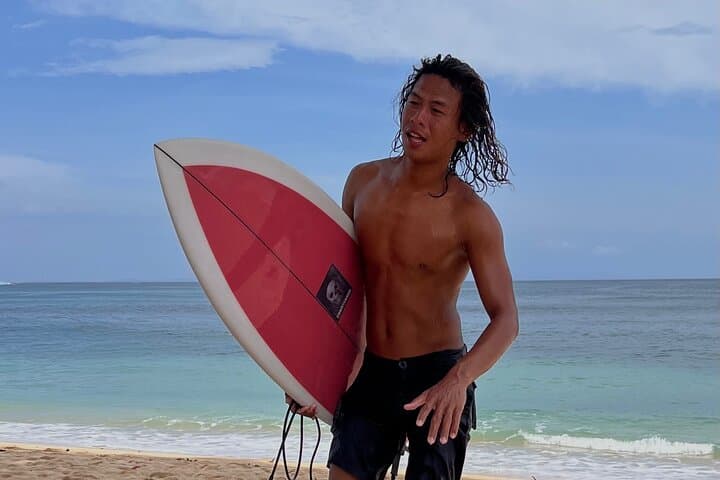
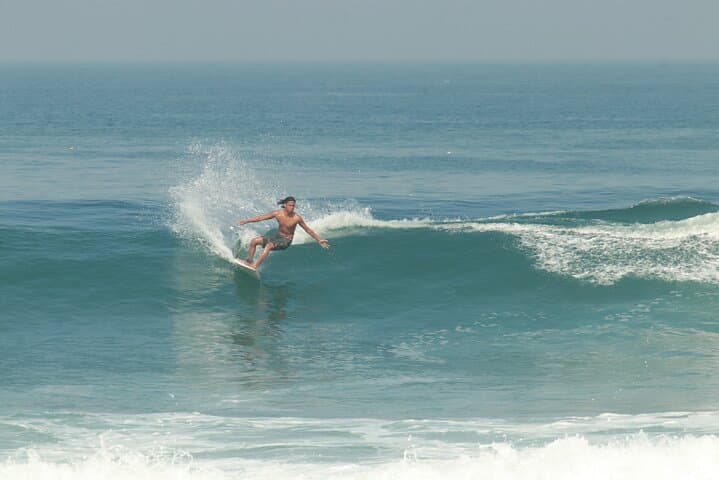

You stand ankle-deep on coarse, dark sand as the Indian Ocean pulls itself into rows of glassy breakers. The instructor — calm, precise — points at the channel and demonstrates a pop-up, the practiced motion small against a wide horizon. Salt air stings; the shoreline hums with local vendors and morning scooters. This is Canggu: a working coastal village where surf culture has grown around rice paddies, temples, and fishing boats.
You stand ankle-deep on coarse, dark sand as the Indian Ocean pulls itself into rows of glassy breakers. The instructor — calm, precise — points at the channel and demonstrates a pop-up, the practiced motion small against a wide horizon. Salt air stings; the shoreline hums with local vendors and morning scooters. This is Canggu: a working coastal village where surf culture has grown around rice paddies, temples, and fishing boats.
Canggu’s breaks formed where volcanic sand meets longshore swell from the Indian Ocean; waves here vary from soft, rolling whitewater suited to learners to punchier peaks farther out. The area’s recent surf history is part local tradition, part global tourism boom — cafés and surf schools now sit beside family compounds and shrines. Expect Balinese daily life at the edges of your lesson: fishermen repairing nets, shrines decorated with offerings, and the occasional temple ceremony visible from the sand.
Practically: lessons run about two hours and cover paddling, positioning, pop-ups, and ocean safety with on-beach drills before catching small green waves. Dress for heat and sun, use reef-safe sunscreen, and wear board shorts or a rash guard. Beginners should pick low tide windows when whitewater is gentler; intermediate learners may venture farther out under coach supervision. Hydrate beforehand, listen to safety briefings about rips and reef, and plan travel time — Canggu traffic can add 30–60 minutes from central Denpasar or the airport.
A focused, safety-first beginner session here gives solid fundamentals and a sense of local surf rhythm — realistic, active, and immediately rewarding.