THE ADVENTURE COLLECTIVE® · Independent discovery and booking for outdoor travel

Two-hour surf lessons on Agadir’s broad Atlantic beach turn first timers into confident paddlers. Professional instructors, predictable beachbreaks and warm water make the city a reliable spot to learn or refine basic surfing skills.
Two-hour surf lessons on Agadir’s broad Atlantic beach turn first timers into confident paddlers. Professional instructors, predictable beachbreaks and warm water make the city a reliable spot to learn or refine basic surfing skills.
The morning swell pushes toward Agadir’s long, crescent beach and the Atlantic wind plays at the line of foam—an invitation that feels specific and insistent. Students shoulder boards on sun-warmed sand while instructors scan the horizon; within minutes the ocean is an active classroom where balance, timing and reading the wave become practical skills.
Verified experiences and guided adventures in the surrounding area.
Operated by We surf agadir · Agadir, Souss-Massa
The morning swell pushes toward Agadir’s long, crescent beach and the Atlantic wind plays at the line of foam—an invitation that feels specific and insistent. Students shoulder boards on sun-warmed sand while instructors scan the horizon; within minutes the ocean is an active classroom where balance, timing and reading the wave become practical skills.
Agadir sits on Morocco’s southern Atlantic coast in the Souss-Massa region. The bay is largely sandy with a broad beachbreak that responds to consistent swell from the North Atlantic and seasonal swells via the Canary Current. Surfing here developed alongside the city’s modern reconstruction after the 1960 earthquake and later expanded as Morocco became a global surf destination; nearby Taghazout sharpened the area’s reputation for accessible breaks and friendly surf culture.
Expect predictable beachbreak waves suited to beginners and intermediates, steady winter swells for more advanced practice, and warm water tempered by breezes. Local instructors emphasize safety and technique—paddling posture, pop-up timing and how to manage whitewater—and lessons usually include board and wetsuit rental.
Practical tips: schedule morning sessions to avoid cross-shore afternoon winds, bring a high-SPF reef-safe sunscreen and a reusable water bottle, and let instructors assess currents and tide windows. Beginners should be comfortable in chest-deep water and able to swim; lessons last about two hours and combine in-water coaching with on-shore briefings. For anyone chasing progress, repeating lessons across consecutive days accelerates learning and builds confidence in reading Agadir’s playful Atlantic waves.
moderate.
2 hours.
Moderate fitness: basic swimming ability, some upper-body endurance for paddling, and comfort in ocean conditions.
No—lessons are structured for all levels; instructors start with safety, paddling and pop-up techniques for beginners.
Bring swimwear, a towel, reef-safe sunscreen, a waterproof ID and a change of clothes; boards and basic wetsuits are usually provided.
Many operators accept a wide age range but will assess swimming ability and any medical issues—disclose spinal or serious conditions when booking.
Most beginners see measurable progress after 2–4 lessons; repeating lessons on consecutive days accelerates skill acquisition.
Agadir was rebuilt after a 1960 earthquake; the city’s modern layout and beachfront development helped spur a growing surf scene from the late 20th century onward.
Use reef-safe sunscreen, avoid leaving gear or trash on the beach, and follow instructor guidance to minimize disturbance to wildlife and coastal dunes.
We surf agadir operates guided outdoor trips and adventures with an emphasis on safety, stewardship, and memorable experiences.
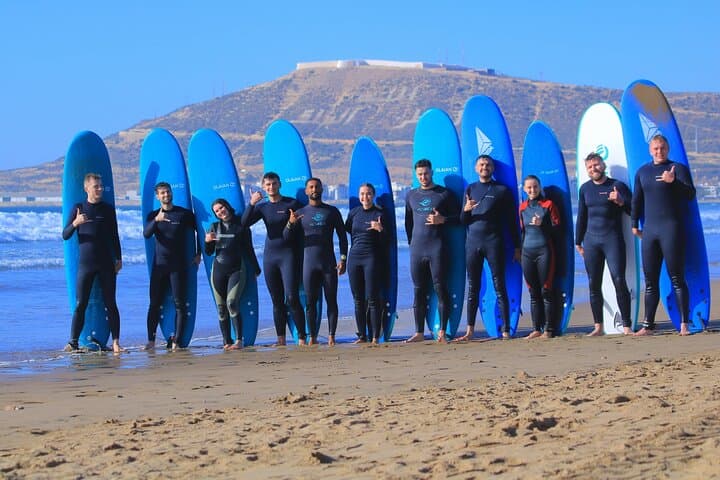
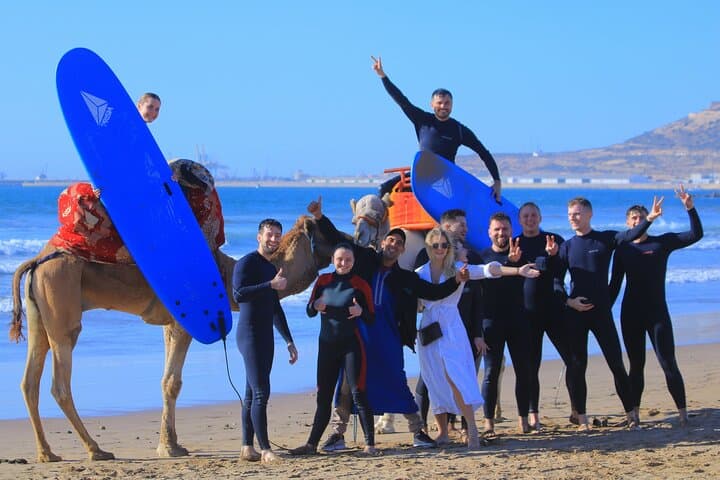
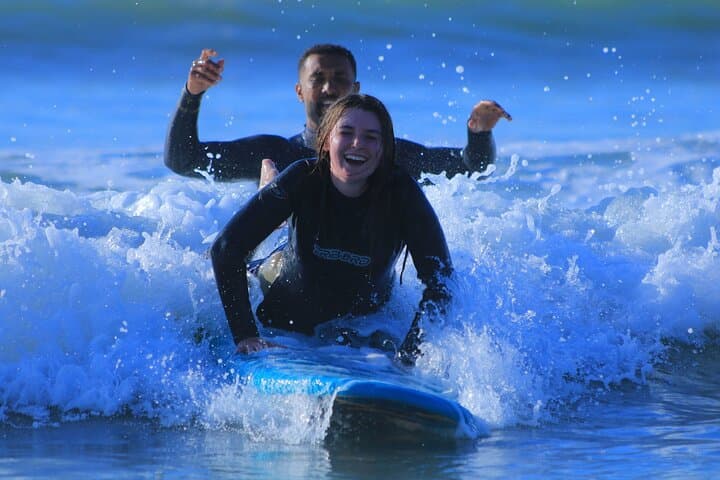
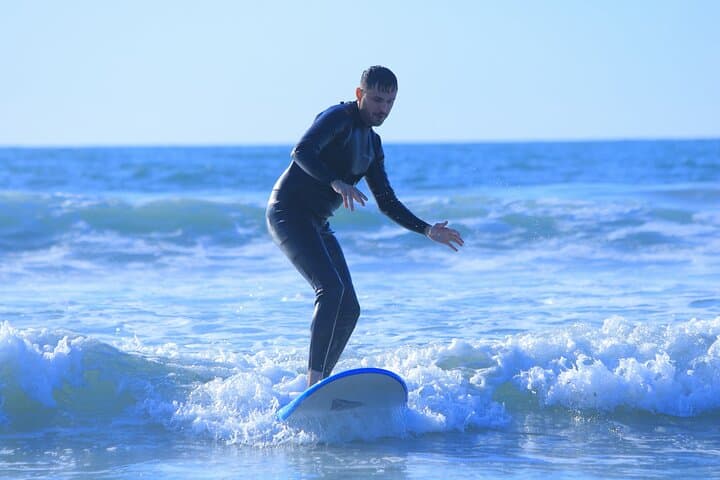
The morning swell pushes toward Agadir’s long, crescent beach and the Atlantic wind plays at the line of foam—an invitation that feels specific and insistent. Students shoulder boards on sun-warmed sand while instructors scan the horizon; within minutes the ocean is an active classroom where balance, timing and reading the wave become practical skills.
The morning swell pushes toward Agadir’s long, crescent beach and the Atlantic wind plays at the line of foam—an invitation that feels specific and insistent. Students shoulder boards on sun-warmed sand while instructors scan the horizon; within minutes the ocean is an active classroom where balance, timing and reading the wave become practical skills.
Agadir sits on Morocco’s southern Atlantic coast in the Souss-Massa region. The bay is largely sandy with a broad beachbreak that responds to consistent swell from the North Atlantic and seasonal swells via the Canary Current. Surfing here developed alongside the city’s modern reconstruction after the 1960 earthquake and later expanded as Morocco became a global surf destination; nearby Taghazout sharpened the area’s reputation for accessible breaks and friendly surf culture.
Expect predictable beachbreak waves suited to beginners and intermediates, steady winter swells for more advanced practice, and warm water tempered by breezes. Local instructors emphasize safety and technique—paddling posture, pop-up timing and how to manage whitewater—and lessons usually include board and wetsuit rental.
Practical tips: schedule morning sessions to avoid cross-shore afternoon winds, bring a high-SPF reef-safe sunscreen and a reusable water bottle, and let instructors assess currents and tide windows. Beginners should be comfortable in chest-deep water and able to swim; lessons last about two hours and combine in-water coaching with on-shore briefings. For anyone chasing progress, repeating lessons across consecutive days accelerates learning and builds confidence in reading Agadir’s playful Atlantic waves.