THE ADVENTURE COLLECTIVE® · Independent discovery and booking for outdoor travel

Crack the code of a peeling wave at Te Arai—this 2-hour lesson teaches safety, paddling, and pop-up timing on a friendly sandy-bottom break. Coaches tailor instruction to your level so most students stand and ride by the end.
Crack the code of a peeling wave at Te Arai—this 2-hour lesson teaches safety, paddling, and pop-up timing on a friendly sandy-bottom break. Coaches tailor instruction to your level so most students stand and ride by the end.
A cold wind off the Tasman sharpens the smell of seaweed as you walk toward a broad, sandy shore. Te Arai’s shoreline stretches in a clean arc, and the ocean’s surface is alive with a steady pulse of peelers—waves that dare you to time a clean pop-up and ride them toward shore.
Verified experiences and guided adventures in the surrounding area.
Operated by Aotearoa Surf School · Te Arai, Auckland
A cold wind off the Tasman sharpens the smell of seaweed as you walk toward a broad, sandy shore. Te Arai’s shoreline stretches in a clean arc, and the ocean’s surface is alive with a steady pulse of peelers—waves that dare you to time a clean pop-up and ride them toward shore.
The beach sits on the eastern edge of Te Arai Point, formed by longshore drift and sweeping sand dunes shaped over millennia. Māori history here ties to kaimoana (seafood) and coastal travel; more recent decades turned Te Arai into a surf corridor prized for predictable, sandy-bottom breaks rather than rocky reef hazards common on Auckland’s west coast.
Expect coaches to break the session into safety, paddling, and take-off technique; instructors here emphasize ocean awareness—reading sets, finding the channel, and timing a popup so the board answers the wave. The lesson’s structure fits first-timers through intermediate surfers, with equipment provided and progress measured in seconds spent standing.
Practical guidance: arrive 20 minutes early to sign waivers and warm up, bring a towel and a change of clothes, and plan to stay hydrated—salt and sun fatigue add up fast. Morning sessions usually offer cleaner lines and lighter winds; afternoons can bring onshore breeze and chopped water.
Wear swimwear under your wetsuit, apply reef-safe sunscreen, and tell your coach about any medical concerns. Leave the dunes and nesting areas alone—pack out what you pack in. Within two hours you’ll understand the rhythm of a breaking wave and likely stand and ride down at least one.
moderate.
2–2.5 hours.
Suitable for people with basic cardio and swimming ability; expect repeated paddling bursts and short sprints to pop up.
No — lessons cater to beginners through intermediate surfers; instructors start with safety and paddling before attempting pop-ups.
The session includes a qualified instructor, surfboard, leash, wetsuit or rash shirt, and sunscreen as stated in the booking inclusions.
Lessons are family-friendly and suitable for most ages; confirm specific age or weight guidelines with the operator during booking.
The operator’s cancellation policy requires 24‑hour notice for full refund; lessons may be rescheduled or adapted for safety during unfavorable conditions.
The coast near Te Arai was used by local Māori for coastal travel and food gathering; the sand dunes record shifting shorelines shaped by longshore currents.
Dune restoration and native plantings are active in the area—stay on access tracks, respect nesting birds, and use reef-safe sun protection.
Aotearoa Surf School operates guided outdoor trips and adventures with an emphasis on safety, stewardship, and memorable experiences.
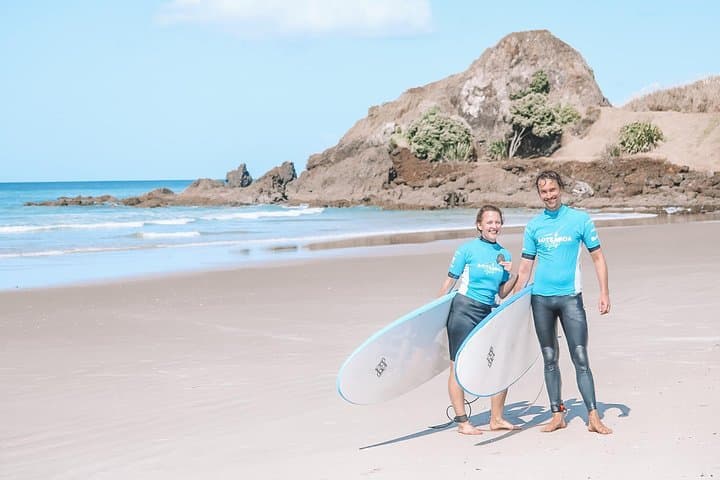
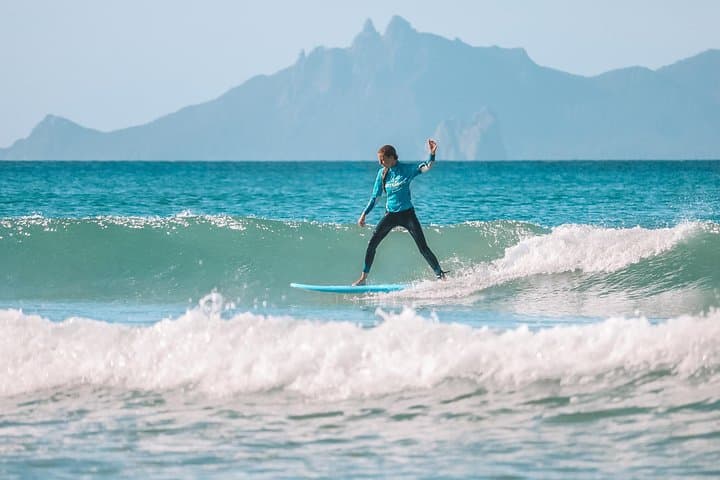
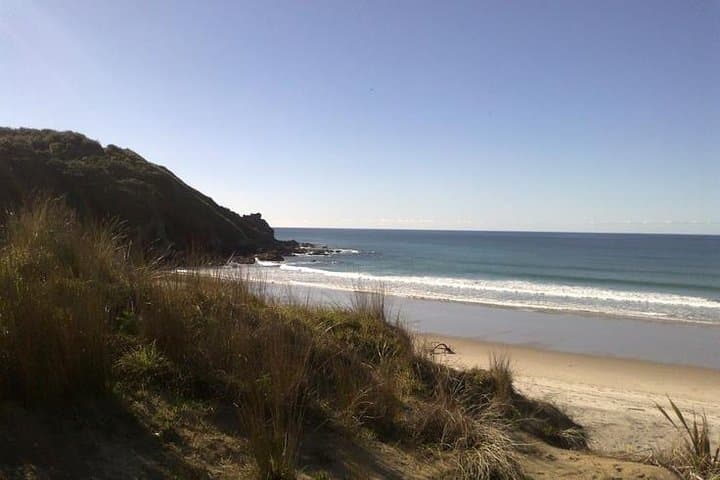
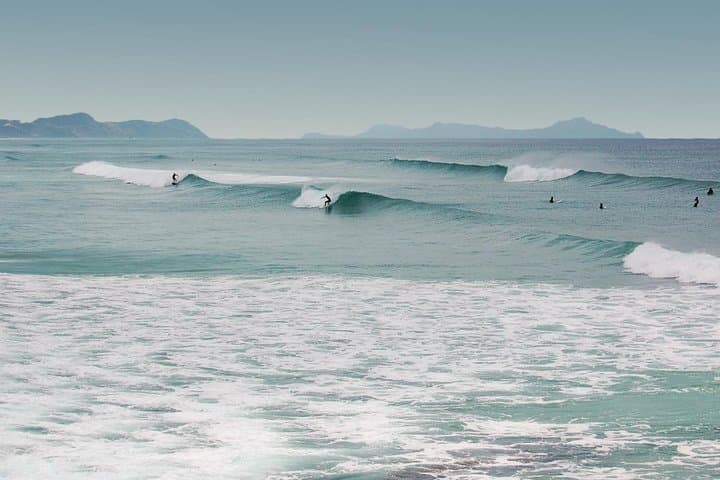
A cold wind off the Tasman sharpens the smell of seaweed as you walk toward a broad, sandy shore. Te Arai’s shoreline stretches in a clean arc, and the ocean’s surface is alive with a steady pulse of peelers—waves that dare you to time a clean pop-up and ride them toward shore.
A cold wind off the Tasman sharpens the smell of seaweed as you walk toward a broad, sandy shore. Te Arai’s shoreline stretches in a clean arc, and the ocean’s surface is alive with a steady pulse of peelers—waves that dare you to time a clean pop-up and ride them toward shore.
The beach sits on the eastern edge of Te Arai Point, formed by longshore drift and sweeping sand dunes shaped over millennia. Māori history here ties to kaimoana (seafood) and coastal travel; more recent decades turned Te Arai into a surf corridor prized for predictable, sandy-bottom breaks rather than rocky reef hazards common on Auckland’s west coast.
Expect coaches to break the session into safety, paddling, and take-off technique; instructors here emphasize ocean awareness—reading sets, finding the channel, and timing a popup so the board answers the wave. The lesson’s structure fits first-timers through intermediate surfers, with equipment provided and progress measured in seconds spent standing.
Practical guidance: arrive 20 minutes early to sign waivers and warm up, bring a towel and a change of clothes, and plan to stay hydrated—salt and sun fatigue add up fast. Morning sessions usually offer cleaner lines and lighter winds; afternoons can bring onshore breeze and chopped water.
Wear swimwear under your wetsuit, apply reef-safe sunscreen, and tell your coach about any medical concerns. Leave the dunes and nesting areas alone—pack out what you pack in. Within two hours you’ll understand the rhythm of a breaking wave and likely stand and ride down at least one.