THE ADVENTURE COLLECTIVE® · Independent discovery and booking for outdoor travel

Barra da Tijuca’s long, even beach breaks make it one of Rio’s most approachable surf schools. These one-hour lessons mix hands-on coaching with ocean awareness to get beginners standing and intermediate surfers refining technique.
Barra da Tijuca’s long, even beach breaks make it one of Rio’s most approachable surf schools. These one-hour lessons mix hands-on coaching with ocean awareness to get beginners standing and intermediate surfers refining technique.
The Atlantic rolls long and even along Barra da Tijuca, a broad ribbon of sand on Rio’s West Zone where surfers cut clean lines beneath the city’s distant skyline. A lesson here begins with the surfboard’s waxy scent and the steady rhythm of sets, the ocean nudging you forward as instructors call out timing and posture from the shallows.
Verified experiences and guided adventures in the surrounding area.
Operated by RioXtreme · Rio de Janeiro, Rio de Janeiro
The Atlantic rolls long and even along Barra da Tijuca, a broad ribbon of sand on Rio’s West Zone where surfers cut clean lines beneath the city’s distant skyline. A lesson here begins with the surfboard’s waxy scent and the steady rhythm of sets, the ocean nudging you forward as instructors call out timing and posture from the shallows.
Barra sits on reclaimed coastal plain where marine terraces and sand spits have shaped consistent beach breaks; nearby Marapendi Lagoon tells a different geological story of marshes and mangrove channels. Surf culture in Rio mixes Carioca beach life—footvolley, kiosks, and late-afternoon churrasco—with the focused repetition of pop-ups and paddling drills. Lessons focus on equipment selection, paddling fundamentals, takeoff technique and ocean awareness, suitable for true beginners and for riders refining stance and trimming.
Expect a practical, physically engaging hour: core and upper-body work, timed runs with the swell, and coached feedback in shallow water. Instructors typically supply wetsuits or rashguards, foam and hard-top boards, and basic safety briefings.
Plan for sun, splash and sweat—hydration, reef-aware foot protection if you stray near rocks, and a short warm-up before entering cold currents. Midday can bring cleaner surf and stronger sun; early morning tends to be calmer and less crowded. For first-timers, a private or small-group lesson accelerates progress and reduces anxiety.
Whether chasing that first unbroken ride or tightening technique, Barra’s approachable waves and experienced instructors make it an efficient, memorable way to learn to surf in Rio.
moderate.
1 hour.
Moderately fit: should be comfortable with repeated paddling, short swims, and core exercises
No—lessons are designed for beginners and intermediate surfers; instructors will teach paddling, pop-ups, and safety for those new to the sport.
Typical shared lessons are kept small (up to six people) to ensure individual attention; private lessons are often available for more focused coaching.
Yes—most operators supply board, leash and a rashguard or wetsuit when needed; confirm specifics when you book.
Providers usually allow full refunds if they cancel due to unsafe conditions; if you cancel, you must do so at least 24 hours before the scheduled time for a full refund.
Barra da Tijuca transformed from coastal wetlands into a modern beachfront district during 20th-century urban expansion; its long, open beaches made it a surfing hotspot as Rio’s city center densified.
Mangroves around Marapendi are ecologically sensitive—avoid trampling vegetation, use marked paths, and choose operators that follow shoreline clean-up and waste-reduction practices.
RioXtreme operates guided outdoor trips and adventures with an emphasis on safety, stewardship, and memorable experiences.



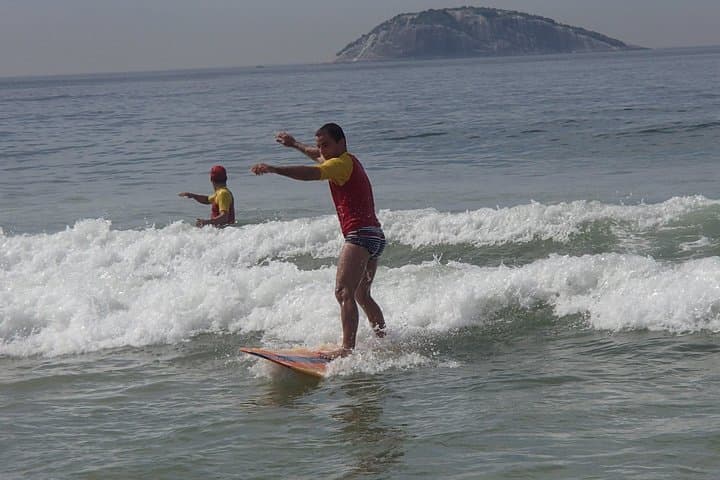
The Atlantic rolls long and even along Barra da Tijuca, a broad ribbon of sand on Rio’s West Zone where surfers cut clean lines beneath the city’s distant skyline. A lesson here begins with the surfboard’s waxy scent and the steady rhythm of sets, the ocean nudging you forward as instructors call out timing and posture from the shallows.
The Atlantic rolls long and even along Barra da Tijuca, a broad ribbon of sand on Rio’s West Zone where surfers cut clean lines beneath the city’s distant skyline. A lesson here begins with the surfboard’s waxy scent and the steady rhythm of sets, the ocean nudging you forward as instructors call out timing and posture from the shallows.
Barra sits on reclaimed coastal plain where marine terraces and sand spits have shaped consistent beach breaks; nearby Marapendi Lagoon tells a different geological story of marshes and mangrove channels. Surf culture in Rio mixes Carioca beach life—footvolley, kiosks, and late-afternoon churrasco—with the focused repetition of pop-ups and paddling drills. Lessons focus on equipment selection, paddling fundamentals, takeoff technique and ocean awareness, suitable for true beginners and for riders refining stance and trimming.
Expect a practical, physically engaging hour: core and upper-body work, timed runs with the swell, and coached feedback in shallow water. Instructors typically supply wetsuits or rashguards, foam and hard-top boards, and basic safety briefings.
Plan for sun, splash and sweat—hydration, reef-aware foot protection if you stray near rocks, and a short warm-up before entering cold currents. Midday can bring cleaner surf and stronger sun; early morning tends to be calmer and less crowded. For first-timers, a private or small-group lesson accelerates progress and reduces anxiety.
Whether chasing that first unbroken ride or tightening technique, Barra’s approachable waves and experienced instructors make it an efficient, memorable way to learn to surf in Rio.