THE ADVENTURE COLLECTIVE® · Independent discovery and booking for outdoor travel

Learn the basics of surfing at Barbers Point (Eisenhower Beach) with 75-minute lessons led by certified instructors. Perfect for beginners seeking focused instruction in smaller, forgiving Hawaiian breaks.
Learn the basics of surfing at Barbers Point (Eisenhower Beach) with 75-minute lessons led by certified instructors. Perfect for beginners seeking focused instruction in smaller, forgiving Hawaiian breaks.
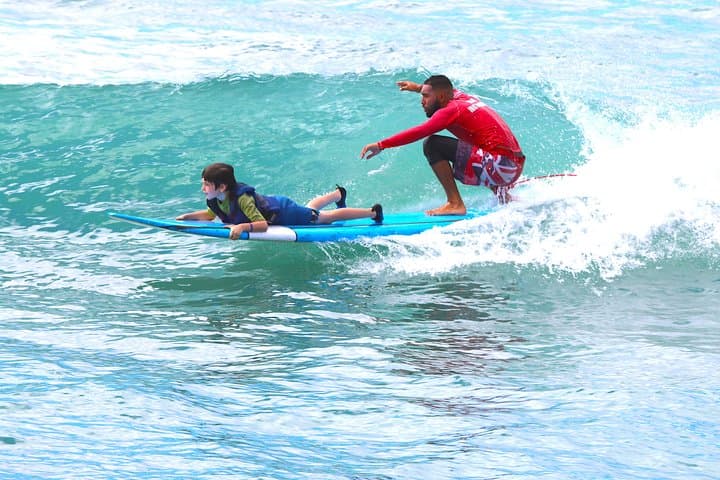
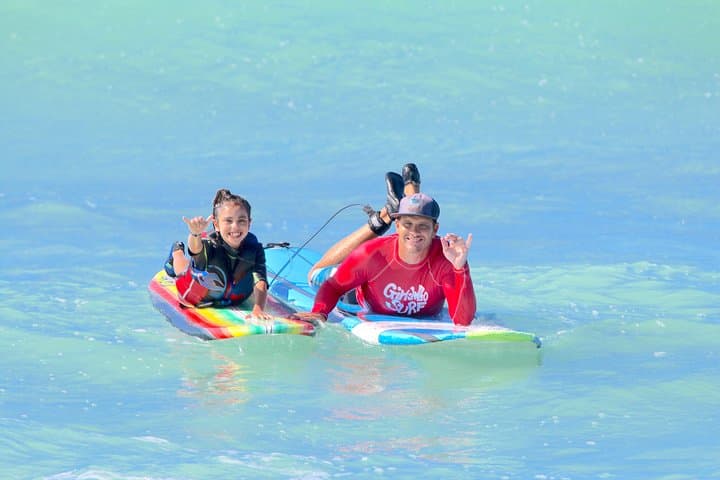
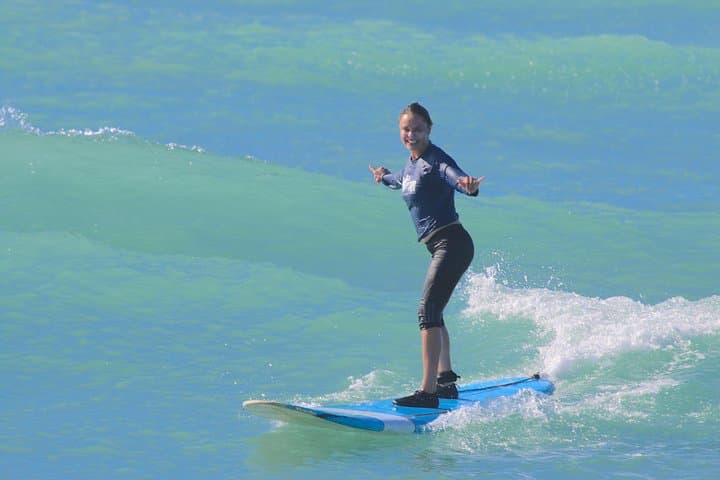
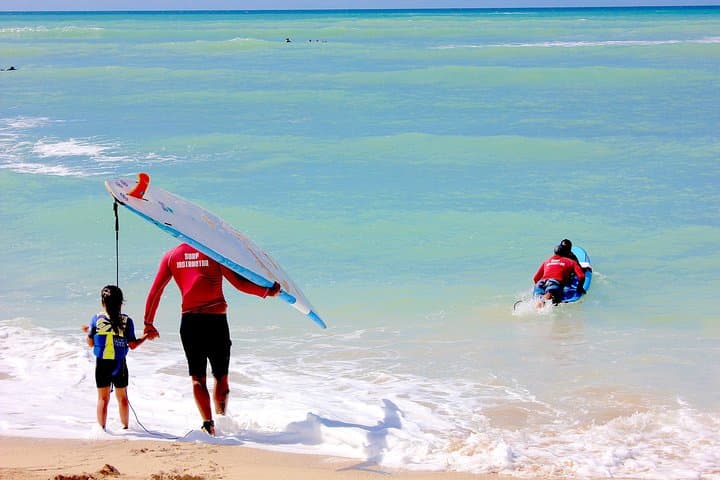
Feet in warm sand and the first green curl of a Hawaiian swell on the horizon — that’s where a Surf HNL lesson begins at Barbers Point (Eisenhower Beach). In the gentle, broad bay off Kalaeloa the ocean feels like a willing teacher: tides push, channels whisper, and shallow breaks give new surfers space to practise.
Verified experiences and guided adventures in the surrounding area.
Operated by Surf HNL · Kalaeloa (near Kapolei), Hawaii
Feet in warm sand and the first green curl of a Hawaiian swell on the horizon — that’s where a Surf HNL lesson begins at Barbers Point (Eisenhower Beach). In the gentle, broad bay off Kalaeloa the ocean feels like a willing teacher: tides push, channels whisper, and shallow breaks give new surfers space to practise.
Surfing here ties directly to Hawaiian history. Ancient aliʻi rode similar waves on wooden olo and alaia boards as part of a deep cultural discipline; modern lessons weave in brief history and respect for local protocols. Geologically the west Oahu coast is low and volcanic, with a protective reef that shapes softer, rideable breaks at many tides. Culturally the area is less crowded than Waikiki — a working waterfront that still carries military and local community rhythms.
Practical guidance: group lessons run about 75 minutes with a 4:1 student-to-instructor cap; private lessons accept younger kids. Expect an on-sand technique session followed by guided water time with instructors in the surf. Basic swimming comfort and moderate fitness make learning safer and faster. Reef booties and long-sleeve rashguards are provided, but bring reef-safe sunscreen, a hydration bottle, and a towel.
Timing matters: mornings often have cleaner, smaller waves and lighter winds; midafternoon sea breezes can increase chop. Listen to your instructor about currents and exit points — the ocean will test balance and focus, but with coaching the first successful pop-up usually comes the same day. Leave space for post-lesson reflection: watching the horizon at sunset underscores why people keep coming back to these waves.
moderate.
1–1.5 hours.
Should be in moderate physical shape: comfortable swimming, able to pop up from prone to standing repeatedly
Private lessons accept children from about 5 years old; group lessons typically have a 12-year minimum.
No — the lesson includes board, leash, and basic reef shoes; you may bring your own if you prefer.
The operator’s cancellation terms allow a full refund if you cancel 24 hours ahead; instructors will advise on safety and may reschedule for unsafe sea conditions.
Group lessons are capped at four students per instructor to maximize individualized coaching.
Surfing is an ancestral Hawaiian practice; instructors often share brief cultural context about board riding’s role in traditional society.
Use reef-safe sunscreen, avoid stepping on coral, and follow local guidance to minimize impacts on nearshore ecosystems.
Surf HNL operates guided outdoor trips and adventures with an emphasis on safety, stewardship, and memorable experiences.
Feet in warm sand and the first green curl of a Hawaiian swell on the horizon — that’s where a Surf HNL lesson begins at Barbers Point (Eisenhower Beach). In the gentle, broad bay off Kalaeloa the ocean feels like a willing teacher: tides push, channels whisper, and shallow breaks give new surfers space to practise.
Feet in warm sand and the first green curl of a Hawaiian swell on the horizon — that’s where a Surf HNL lesson begins at Barbers Point (Eisenhower Beach). In the gentle, broad bay off Kalaeloa the ocean feels like a willing teacher: tides push, channels whisper, and shallow breaks give new surfers space to practise.
Surfing here ties directly to Hawaiian history. Ancient aliʻi rode similar waves on wooden olo and alaia boards as part of a deep cultural discipline; modern lessons weave in brief history and respect for local protocols. Geologically the west Oahu coast is low and volcanic, with a protective reef that shapes softer, rideable breaks at many tides. Culturally the area is less crowded than Waikiki — a working waterfront that still carries military and local community rhythms.
Practical guidance: group lessons run about 75 minutes with a 4:1 student-to-instructor cap; private lessons accept younger kids. Expect an on-sand technique session followed by guided water time with instructors in the surf. Basic swimming comfort and moderate fitness make learning safer and faster. Reef booties and long-sleeve rashguards are provided, but bring reef-safe sunscreen, a hydration bottle, and a towel.
Timing matters: mornings often have cleaner, smaller waves and lighter winds; midafternoon sea breezes can increase chop. Listen to your instructor about currents and exit points — the ocean will test balance and focus, but with coaching the first successful pop-up usually comes the same day. Leave space for post-lesson reflection: watching the horizon at sunset underscores why people keep coming back to these waves.