THE ADVENTURE COLLECTIVE® · Independent discovery and booking for outdoor travel

Catch your first wave at Arpoador with an experienced instructor in small groups. This 60–90 minute class covers balance, safety, and paddling techniques on one of Rio’s most iconic breaks.
Catch your first wave at Arpoador with an experienced instructor in small groups. This 60–90 minute class covers balance, safety, and paddling techniques on one of Rio’s most iconic breaks.
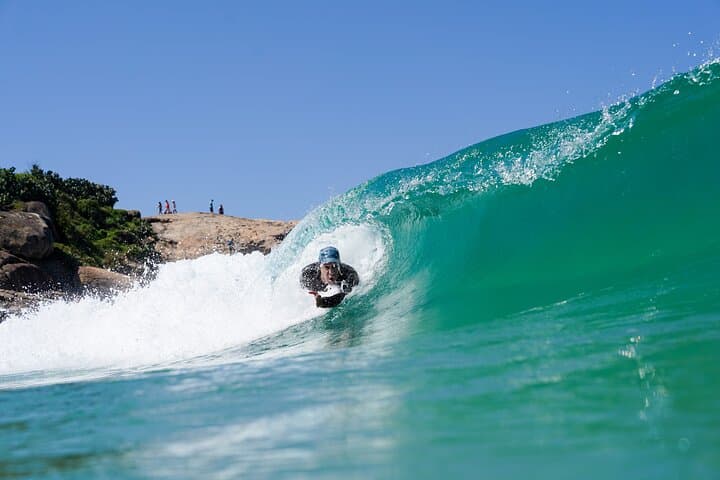
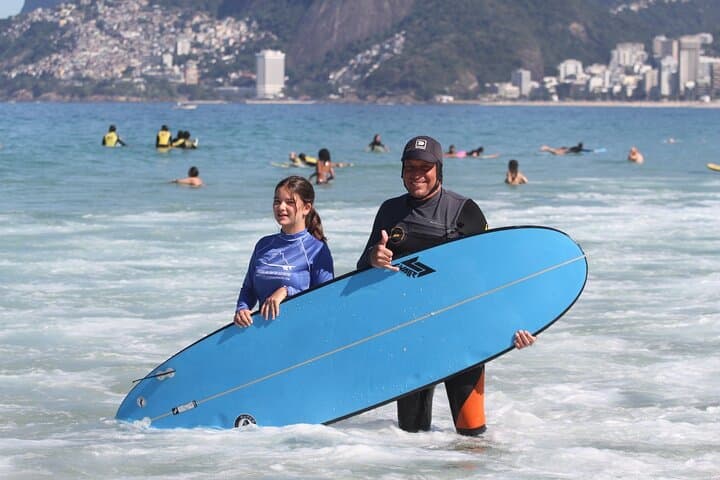
Morning light often finds Arpoador’s black rock slick with sea spray, surfers slicing the inlet while the city watches from Ipanema’s promenade. Stand on the sand and you feel the surf dare you — a short paddle out, a swell that pushes forward with steady, predictable energy.
Verified experiences and guided adventures in the surrounding area.
Operated by Escola De Surf Ipanema - Paulo Dolabella · Rio de Janeiro, Rio de Janeiro
Morning light often finds Arpoador’s black rock slick with sea spray, surfers slicing the inlet while the city watches from Ipanema’s promenade. Stand on the sand and you feel the surf dare you — a short paddle out, a swell that pushes forward with steady, predictable energy.
Arpoador is a geological headland of Precambrian gneiss and granite that shapes the local breaks; its position between Ipanema and Copacabana concentrates swell and creates a variety of waves suitable for beginners and intermediates. Surfing here is as much a cultural ritual as a sport — carioca surf history stretches back decades and the point is often called the cradle of Rio’s surfing scene.
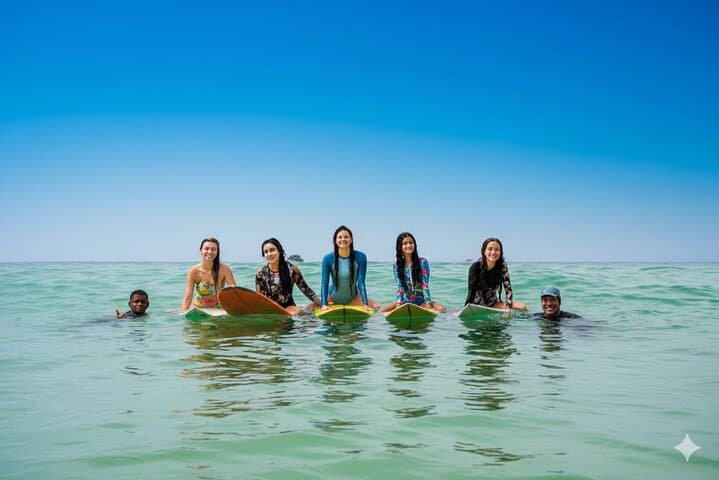
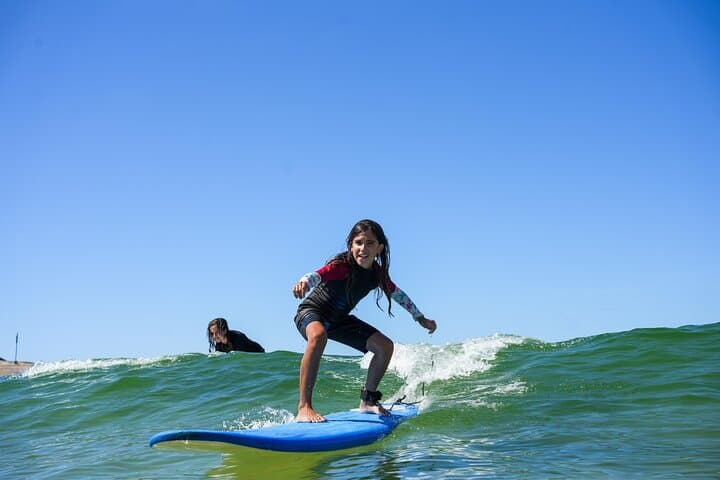
A typical class runs about 60–90 minutes with a seasoned instructor who covers balance, paddling, pop-ups, and ocean safety. Groups are intentionally small; boards, lycras and wetsuits are provided. Expect hands-on land drills, guided entries through the whitewater, and short paddles to green waves when conditions allow.
Practical points: tides and northeasterly swells influence the break, so morning sessions on moderate swell are often the most forgiving. Bring reef-safe sunscreen, drink water before and after, and disclose any medical limits — this activity isn’t recommended for people with serious back, heart, or pregnancy concerns.
Whether you’re standing up on your first wave or refining technique, Arpoador’s short, powerful sets and the city’s charged energy make this more than a lesson — it’s a direct way to meet Rio’s ocean and its people.
moderate.
1–1.5 hours.
Requires moderate fitness: basic swimming ability, short sprints of paddling and pop-ups, and comfort in moving surf.
No — classes accept beginners and progress through land drills, whitewater practice and guided paddles when conditions allow.
Classes accommodate most ages but booking may require age details; instructors tailor instruction to children's needs.
Yes — the school provides surfboards, lycras and wetsuits as part of the lesson.
If conditions are unsafe the operator may cancel for a full refund if done at least 24 hours before; same-day weather cancellations are also possible for safety.
Arpoador’s promontory has been a local gathering point for decades; surf culture here helped popularize beach lifestyle in Rio through the 20th century.
Stick to marked paths, avoid trampling dune vegetation, and use reef-safe sunscreen to reduce impacts on coastal reefs and marine life.
Escola De Surf Ipanema - Paulo Dolabella operates guided outdoor trips and adventures with an emphasis on safety, stewardship, and memorable experiences.
Morning light often finds Arpoador’s black rock slick with sea spray, surfers slicing the inlet while the city watches from Ipanema’s promenade. Stand on the sand and you feel the surf dare you — a short paddle out, a swell that pushes forward with steady, predictable energy.
Morning light often finds Arpoador’s black rock slick with sea spray, surfers slicing the inlet while the city watches from Ipanema’s promenade. Stand on the sand and you feel the surf dare you — a short paddle out, a swell that pushes forward with steady, predictable energy.
Arpoador is a geological headland of Precambrian gneiss and granite that shapes the local breaks; its position between Ipanema and Copacabana concentrates swell and creates a variety of waves suitable for beginners and intermediates. Surfing here is as much a cultural ritual as a sport — carioca surf history stretches back decades and the point is often called the cradle of Rio’s surfing scene.
A typical class runs about 60–90 minutes with a seasoned instructor who covers balance, paddling, pop-ups, and ocean safety. Groups are intentionally small; boards, lycras and wetsuits are provided. Expect hands-on land drills, guided entries through the whitewater, and short paddles to green waves when conditions allow.
Practical points: tides and northeasterly swells influence the break, so morning sessions on moderate swell are often the most forgiving. Bring reef-safe sunscreen, drink water before and after, and disclose any medical limits — this activity isn’t recommended for people with serious back, heart, or pregnancy concerns.
Whether you’re standing up on your first wave or refining technique, Arpoador’s short, powerful sets and the city’s charged energy make this more than a lesson — it’s a direct way to meet Rio’s ocean and its people.