THE ADVENTURE COLLECTIVE® · Independent discovery and booking for outdoor travel

Train on shore and in calm coastal waters over three days to earn a PADI Open Water certification. This course mixes confined-water drills with four open-water dives off Gran Canaria’s volcanic shores—ideal for confident swimmers who want an internationally recognized dive qualification.
Train on shore and in calm coastal waters over three days to earn a PADI Open Water certification. This course mixes confined-water drills with four open-water dives off Gran Canaria’s volcanic shores—ideal for confident swimmers who want an internationally recognized dive qualification.
The Atlantic pulls at the shoreline with a steady, salt-bright breath as you step from a warm sand beach into clearer blue—this is where a PADI Open Water course on Gran Canaria begins.
Verified experiences and guided adventures in the surrounding area.
Operated by Blue Water Diving · Las Palmas de Gran Canaria, Canary Islands
The Atlantic pulls at the shoreline with a steady, salt-bright breath as you step from a warm sand beach into clearer blue—this is where a PADI Open Water course on Gran Canaria begins.
Over three compact days you move from classroom and confined-water drills to four open-water dives off one of the island’s sheltered beaches. Gran Canaria’s coastline is volcanic: black rock cliffs and reef-forming lava provide structure for sea life, while currents along protected coves give new divers a forgiving environment to practice buoyancy, buddy checks, and basic emergency skills. The course weaves present-day skills training with the island’s geology and maritime culture—Spanish fishing villages, Canarian cuisine, and centuries-old seafaring routes that shaped local port towns.
Expect patient, repeated skill drills in a pool or shallow bay, then progressive open-water dives where instructors stage skills alongside small walls, sand flats, and rocky outcrops. Water temperatures range roughly 19–23°C; a 3mm wetsuit is typical. The experience is experiential and procedural: checklists, health questionnaires, and a paced approach to building comfort underwater.
Practical notes: arrive rested, hydrate, and avoid flying for 24 hours after your final dive. Bring paperwork and ID for certification, and choose morning starts to avoid afternoon winds and crowded beaches. For first-time divers, the course is a considered introduction—technical enough to be serious but structured to build confidence, leaving you with an international certification and a new sense of sea-going curiosity.
moderate.
3 days (approx. 8:30–14:00 each day).
Moderate fitness and basic swimming ability; comfortable treading water and swimming short distances required.
No—this course is designed for beginners; you must be at least 10 years old and comfortable in the water.
The standard PADI Open Water course includes four open-water dives following confined-water sessions.
Basic kit is usually available to rent, but a personally fitted mask and fins improve learning and comfort.
Wait at least 24 hours after your last dive before flying to reduce the risk of decompression sickness.
Gran Canaria is a volcanic island shaped by ancient eruptions; local towns reflect Canarian fishing and Spanish colonial history.
Many dive sites are regulated marine reserves—avoid touching marine life, use reef‑safe sunscreen, and follow instructor guidance to minimize impact.
Blue Water Diving operates guided outdoor trips and adventures with an emphasis on safety, stewardship, and memorable experiences.
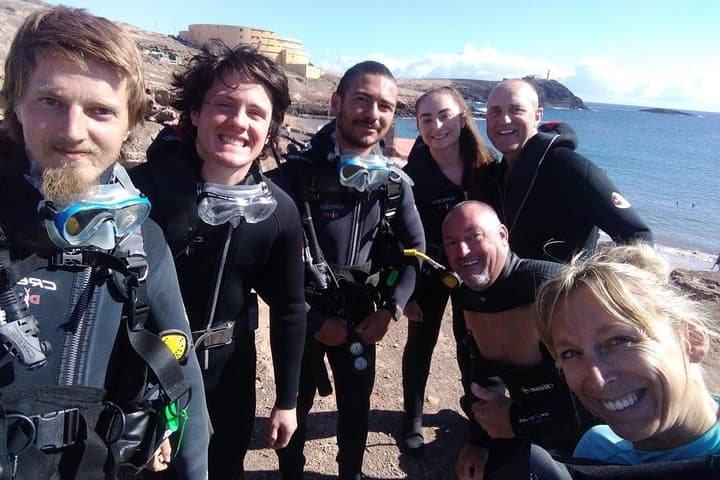
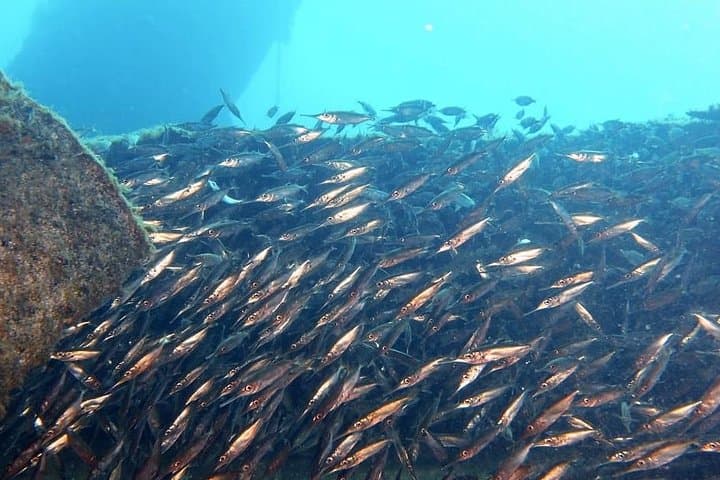
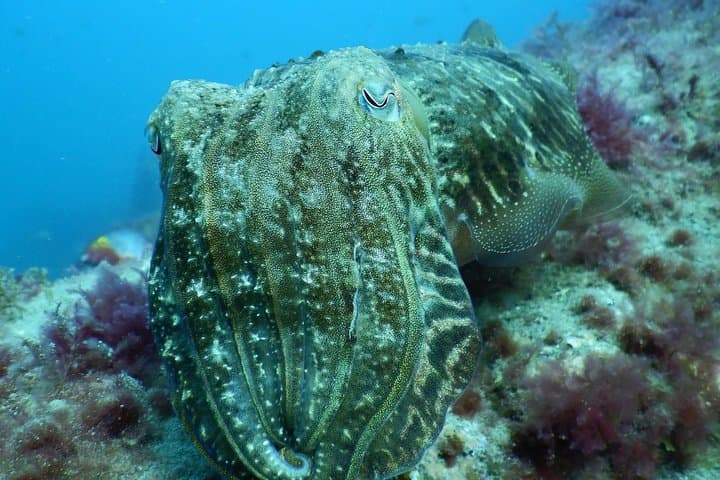
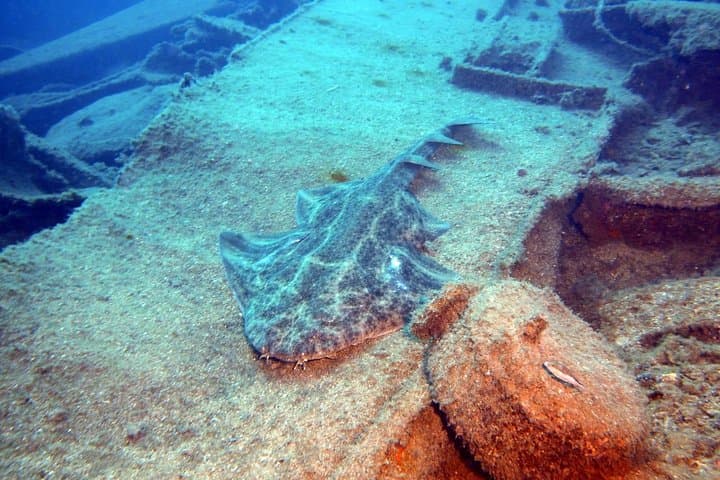
The Atlantic pulls at the shoreline with a steady, salt-bright breath as you step from a warm sand beach into clearer blue—this is where a PADI Open Water course on Gran Canaria begins.
The Atlantic pulls at the shoreline with a steady, salt-bright breath as you step from a warm sand beach into clearer blue—this is where a PADI Open Water course on Gran Canaria begins.
Over three compact days you move from classroom and confined-water drills to four open-water dives off one of the island’s sheltered beaches. Gran Canaria’s coastline is volcanic: black rock cliffs and reef-forming lava provide structure for sea life, while currents along protected coves give new divers a forgiving environment to practice buoyancy, buddy checks, and basic emergency skills. The course weaves present-day skills training with the island’s geology and maritime culture—Spanish fishing villages, Canarian cuisine, and centuries-old seafaring routes that shaped local port towns.
Expect patient, repeated skill drills in a pool or shallow bay, then progressive open-water dives where instructors stage skills alongside small walls, sand flats, and rocky outcrops. Water temperatures range roughly 19–23°C; a 3mm wetsuit is typical. The experience is experiential and procedural: checklists, health questionnaires, and a paced approach to building comfort underwater.
Practical notes: arrive rested, hydrate, and avoid flying for 24 hours after your final dive. Bring paperwork and ID for certification, and choose morning starts to avoid afternoon winds and crowded beaches. For first-time divers, the course is a considered introduction—technical enough to be serious but structured to build confidence, leaving you with an international certification and a new sense of sea-going curiosity.