THE ADVENTURE COLLECTIVE® · Independent discovery and booking for outdoor travel

Spend a full day learning to scuba dive off Key Largo with a PADI instructor. Through a morning pool session and two guided reef dives, small groups and all-inclusive gear make this an approachable introduction to Florida’s coral reefs.
Spend a full day learning to scuba dive off Key Largo with a PADI instructor. Through a morning pool session and two guided reef dives, small groups and all-inclusive gear make this an approachable introduction to Florida’s coral reefs.
When the boat slips away from the mangrove-lined shore and the horizon flattens into a strip of turquoise, the reef starts to breathe. On a Key Largo PADI Discover Scuba Diving day you move from a bay-side pool — where equipment becomes something manageable, not mysterious — to the open Atlantic where staghorn and brain corals hold neighborhoods of fish. The sound of air through a regulator becomes a predictable rhythm; the reef, curious, approaches in swaying schools.
Verified experiences and guided adventures in the surrounding area.
Operated by Amoray Dive Center · Key Largo, Florida
When the boat slips away from the mangrove-lined shore and the horizon flattens into a strip of turquoise, the reef starts to breathe. On a Key Largo PADI Discover Scuba Diving day you move from a bay-side pool — where equipment becomes something manageable, not mysterious — to the open Atlantic where staghorn and brain corals hold neighborhoods of fish. The sound of air through a regulator becomes a predictable rhythm; the reef, curious, approaches in swaying schools.
Key Largo sits at the northern end of the Florida Keys, a living edge of an ancient reef system that has been building for thousands of years. John Pennekamp Coral Reef State Park, established in 1963, was the first underwater park in the U.S., created to protect these shallow coral gardens and the wrecks that lie just beyond them. The limestone platform of the Keys is capped by coral and sponged with channels that feed a rich marine ecosystem influenced by the warm Gulf Stream.
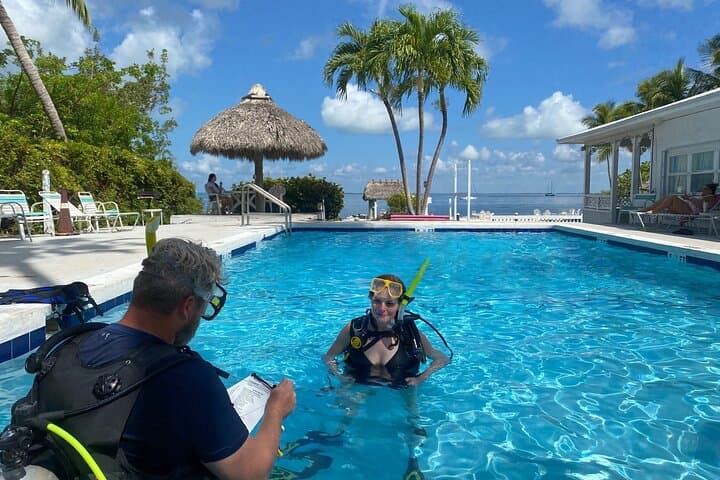
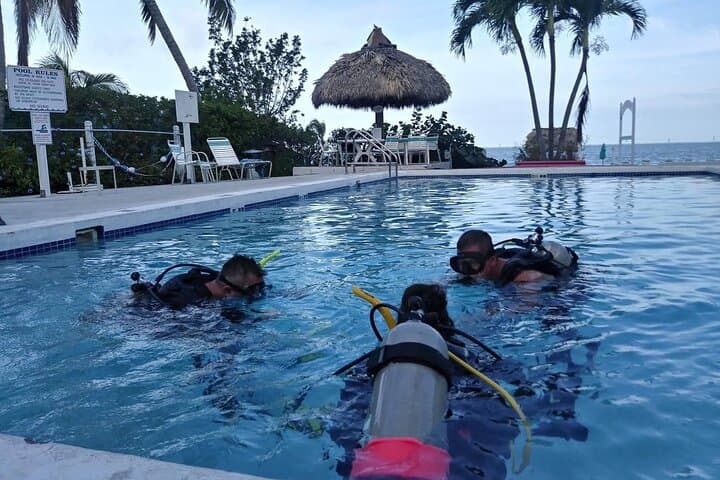
Culturally, diving here feels practical and local—operators run small-group instruction and focus on skills, safety, and reef stewardship. On this full-day program, expect a one-hour classroom-style briefing, two hours in a protected bay-side pool practicing buoyancy and equipment checks, then a four-hour boat trip with two guided reef dives. Group size is limited to four students per instructor, which keeps the learning personal and efficient.
Practical notes: dives are typically shallow reef profiles—often 30–60 feet—ideal for first-timers learning to manage buoyancy and air consumption. Bring reef-safe sunscreen, motion-sickness meds if you’re prone, and a light breakfast; snacks are provided. Wear a bathing suit under quick-dry shorts and bring a towel and change of clothes for the return.
Safety and etiquette are emphasized: instructors guide airway clearing, regulator recovery, and non-touching policies to protect both diver and coral. Expect calm-to-moderate boat rides; operators tend to choose morning departures for calmer seas and better visibility.
For photographers, wide-angle underwater shots and close-up fish portraits reward basic buoyancy control. Conservation-minded travelers will appreciate the operator’s emphasis on reef-friendly sun protection and no-touch rules—small behaviors that matter here.
The result of the day is practical confidence: you leave with skills, two open-water dives under supervision, and a feel for what certified diving could open up. The reef is patient but insistent; it rewards quiet, practiced presence and leaves little room for careless behavior. For many first-timers, Key Largo is where curiosity converts into a new way of being on—and under—the water.
moderate.
6–8 hours.
Moderate fitness — able to swim comfortably and handle stairs or ladders to board the boat.
Yes — you should be comfortable in the water and able to swim; basic comfort and buoyancy control are required for the pool session.
Open-water dives for this program typically stay within 30–60 feet, appropriate for introductory experiences under direct supervision.
This is a Discover Scuba Diving experience, not full certification; you can apply the two dives toward a PADI Open Water course if you continue training.
Children 10 and older can participate; younger children are not recommended per operator policy.
The operator cancels for unsafe conditions and offers a full refund or rescheduling per their cancellation policy.
Yes — the program includes mask, fins, snorkel, BCD, and regulator as part of the all-inclusive package.
The Florida Keys’ coral framework formed on a limestone platform; John Pennekamp State Park (est. 1963) was the nation’s first underwater park protecting reef and wreck sites.
The reef faces stress from warming seas and coral disease; operators emphasize reef-safe sunscreen and no-touch buoyancy to minimize impact.
Amoray Dive Center operates guided outdoor trips and adventures with an emphasis on safety, stewardship, and memorable experiences.
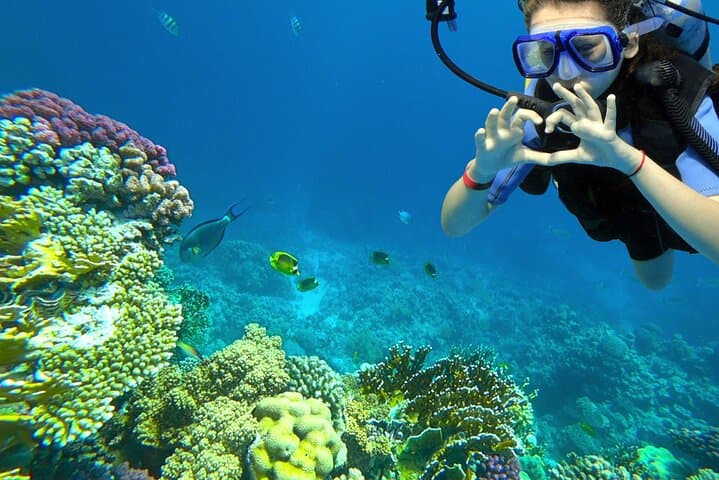
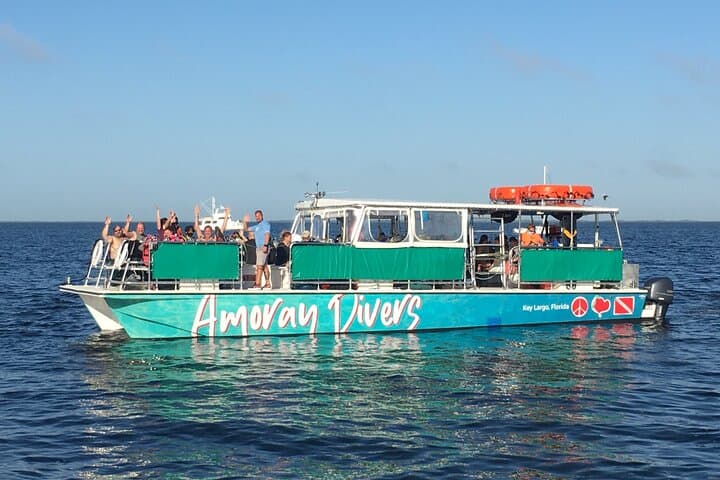
When the boat slips away from the mangrove-lined shore and the horizon flattens into a strip of turquoise, the reef starts to breathe. On a Key Largo PADI Discover Scuba Diving day you move from a bay-side pool — where equipment becomes something manageable, not mysterious — to the open Atlantic where staghorn and brain corals hold neighborhoods of fish. The sound of air through a regulator becomes a predictable rhythm; the reef, curious, approaches in swaying schools.
When the boat slips away from the mangrove-lined shore and the horizon flattens into a strip of turquoise, the reef starts to breathe. On a Key Largo PADI Discover Scuba Diving day you move from a bay-side pool — where equipment becomes something manageable, not mysterious — to the open Atlantic where staghorn and brain corals hold neighborhoods of fish. The sound of air through a regulator becomes a predictable rhythm; the reef, curious, approaches in swaying schools.
Key Largo sits at the northern end of the Florida Keys, a living edge of an ancient reef system that has been building for thousands of years. John Pennekamp Coral Reef State Park, established in 1963, was the first underwater park in the U.S., created to protect these shallow coral gardens and the wrecks that lie just beyond them. The limestone platform of the Keys is capped by coral and sponged with channels that feed a rich marine ecosystem influenced by the warm Gulf Stream.
Culturally, diving here feels practical and local—operators run small-group instruction and focus on skills, safety, and reef stewardship. On this full-day program, expect a one-hour classroom-style briefing, two hours in a protected bay-side pool practicing buoyancy and equipment checks, then a four-hour boat trip with two guided reef dives. Group size is limited to four students per instructor, which keeps the learning personal and efficient.
Practical notes: dives are typically shallow reef profiles—often 30–60 feet—ideal for first-timers learning to manage buoyancy and air consumption. Bring reef-safe sunscreen, motion-sickness meds if you’re prone, and a light breakfast; snacks are provided. Wear a bathing suit under quick-dry shorts and bring a towel and change of clothes for the return.
Safety and etiquette are emphasized: instructors guide airway clearing, regulator recovery, and non-touching policies to protect both diver and coral. Expect calm-to-moderate boat rides; operators tend to choose morning departures for calmer seas and better visibility.
For photographers, wide-angle underwater shots and close-up fish portraits reward basic buoyancy control. Conservation-minded travelers will appreciate the operator’s emphasis on reef-friendly sun protection and no-touch rules—small behaviors that matter here.
The result of the day is practical confidence: you leave with skills, two open-water dives under supervision, and a feel for what certified diving could open up. The reef is patient but insistent; it rewards quiet, practiced presence and leaves little room for careless behavior. For many first-timers, Key Largo is where curiosity converts into a new way of being on—and under—the water.