THE ADVENTURE COLLECTIVE® · Independent discovery and booking for outdoor travel

Step aboard a J/24 racing boat and become part of the crew as Biscayne Bay pushes you to learn fast, sail smart, and read wind and water together. This hands-on lesson in Miami blends practical sail skills with panoramic city-and-bay views.
Step aboard a J/24 racing boat and become part of the crew as Biscayne Bay pushes you to learn fast, sail smart, and read wind and water together. This hands-on lesson in Miami blends practical sail skills with panoramic city-and-bay views.
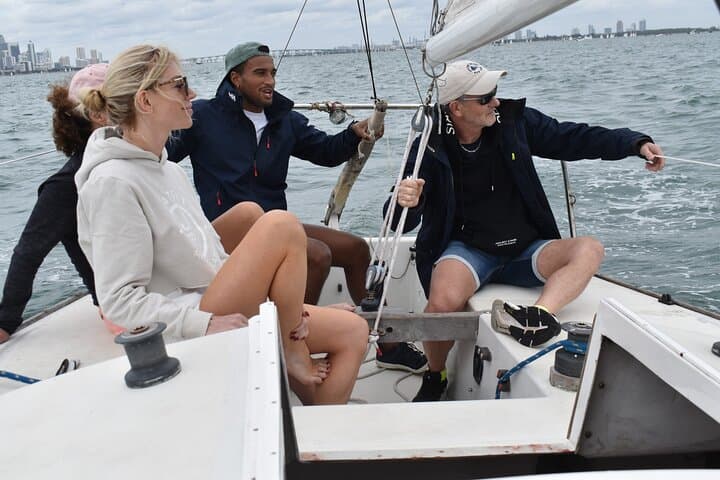
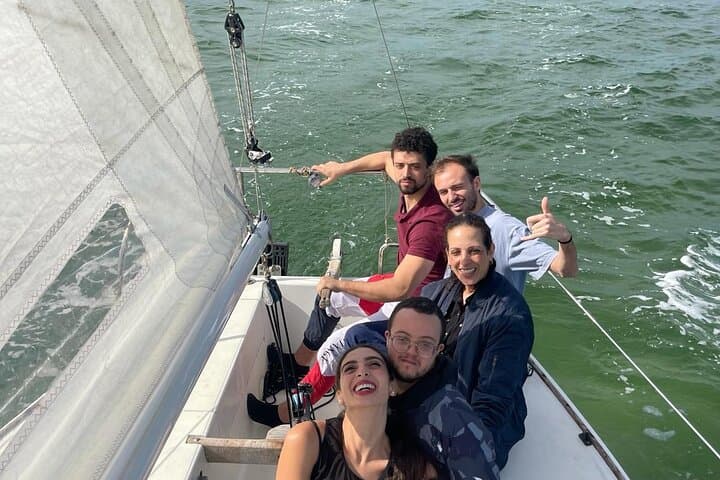
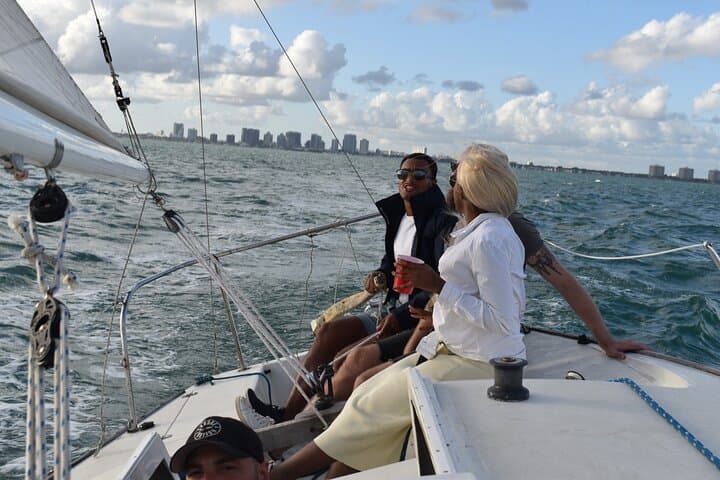
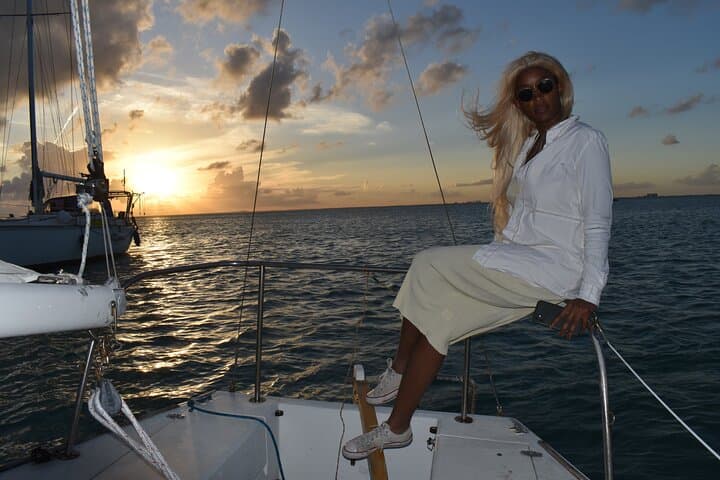
The bow bites into the chop and the city slides aft: Biscayne Bay opens like a saltwater room, sunlight slanting off the Miami skyline while the J/24 heels and the crew becomes a single instrument. You step onto deck and are given a task—trim a sheet, secure a winch, find the balance that lets the hull fly. Wind, water and boat demand teamwork; the instructor keeps a steady voice while the bay dares you to push a little harder.
Verified experiences and guided adventures in the surrounding area.
Operated by Sail Ahead Miami · Miami, Florida
The bow bites into the chop and the city slides aft: Biscayne Bay opens like a saltwater room, sunlight slanting off the Miami skyline while the J/24 heels and the crew becomes a single instrument. You step onto deck and are given a task—trim a sheet, secure a winch, find the balance that lets the hull fly. Wind, water and boat demand teamwork; the instructor keeps a steady voice while the bay dares you to push a little harder.
Biscayne Bay is shallow limestone country—seagrass flats, sandbars, and reclaimed mangrove shelves created over millennia—while Dinner Key carries a layered history from a 1920s seaplane base to today’s marina culture. Local sailors respect the rhythm of tides and the migratory pulse of pelicans and dolphins; racing here has roots in community clubs and small-boat designs like the J/24 that emphasize crew skill over horsepower.
Expect hands-on instruction: sail terminology, raising and lowering sails, winch work, and weight placement to balance the boat. In calm windows you may anchor near a sandbar for a swim; in windier conditions you’ll practice tacks, gybes, and fast, coordinated maneuvers. Practical notes: sunscreen and a good pair of non-marking deck shoes matter more than fancy gear; hydration and a light wind layer will keep the day comfortable.
This is a short course in movement—how boat and crew read one another—and a concentrated way to learn seamanship against one of Florida’s most cinematic urban waterbackdrops.
moderate.
3–3.5 hours.
Moderate fitness—able to move quickly across a heeling deck, handle brief strenuous effort during maneuvers
No—this program is designed for beginners but expects participants to be active and able to move on deck.
Yes—if you prefer a less hands-on experience the captain can handle the vessel while you observe.
In calm conditions the crew may anchor near a sandbar or shallow area for a quick swim; this is weather dependent.
Meet at the Seminole Boat Ramp next to Dinner Key Marina; the operator asks guests to call the night before for exact details and weather updates.
Dinner Key and Biscayne Bay carry a 20th‑century maritime history from early seaplane activity to club sailing culture; small classes like the J/24 have long been training grounds for racers and day-sailors alike.
Avoid anchoring on seagrass beds and use reef-safe sunscreen; operators and sailors in Biscayne Bay emphasize protecting shallow habitats and minimizing plastic waste.
Sail Ahead Miami operates guided outdoor trips and adventures with an emphasis on safety, stewardship, and memorable experiences.
The bow bites into the chop and the city slides aft: Biscayne Bay opens like a saltwater room, sunlight slanting off the Miami skyline while the J/24 heels and the crew becomes a single instrument. You step onto deck and are given a task—trim a sheet, secure a winch, find the balance that lets the hull fly. Wind, water and boat demand teamwork; the instructor keeps a steady voice while the bay dares you to push a little harder.
The bow bites into the chop and the city slides aft: Biscayne Bay opens like a saltwater room, sunlight slanting off the Miami skyline while the J/24 heels and the crew becomes a single instrument. You step onto deck and are given a task—trim a sheet, secure a winch, find the balance that lets the hull fly. Wind, water and boat demand teamwork; the instructor keeps a steady voice while the bay dares you to push a little harder.
Biscayne Bay is shallow limestone country—seagrass flats, sandbars, and reclaimed mangrove shelves created over millennia—while Dinner Key carries a layered history from a 1920s seaplane base to today’s marina culture. Local sailors respect the rhythm of tides and the migratory pulse of pelicans and dolphins; racing here has roots in community clubs and small-boat designs like the J/24 that emphasize crew skill over horsepower.
Expect hands-on instruction: sail terminology, raising and lowering sails, winch work, and weight placement to balance the boat. In calm windows you may anchor near a sandbar for a swim; in windier conditions you’ll practice tacks, gybes, and fast, coordinated maneuvers. Practical notes: sunscreen and a good pair of non-marking deck shoes matter more than fancy gear; hydration and a light wind layer will keep the day comfortable.
This is a short course in movement—how boat and crew read one another—and a concentrated way to learn seamanship against one of Florida’s most cinematic urban waterbackdrops.