THE ADVENTURE COLLECTIVE® · Independent discovery and booking for outdoor travel

Spend 45 minutes learning the Hanoi-born art of Vietnamese egg coffee with an English-speaking guide in Ho Chi Minh City. This hands-on class covers history, technique, and a take-home recipe so you can brew the creamy classic at home.
Spend 45 minutes learning the Hanoi-born art of Vietnamese egg coffee with an English-speaking guide in Ho Chi Minh City. This hands-on class covers history, technique, and a take-home recipe so you can brew the creamy classic at home.
The room smells of dark roast and sweetened condensed milk before the guide speaks — a simple invitation that quickly becomes a hands-on lesson in texture and timing.
Verified experiences and guided adventures in the surrounding area.
Operated by Saigon Social · Ho Chi Minh City, Ho Chi Minh
The room smells of dark roast and sweetened condensed milk before the guide speaks — a simple invitation that quickly becomes a hands-on lesson in texture and timing.
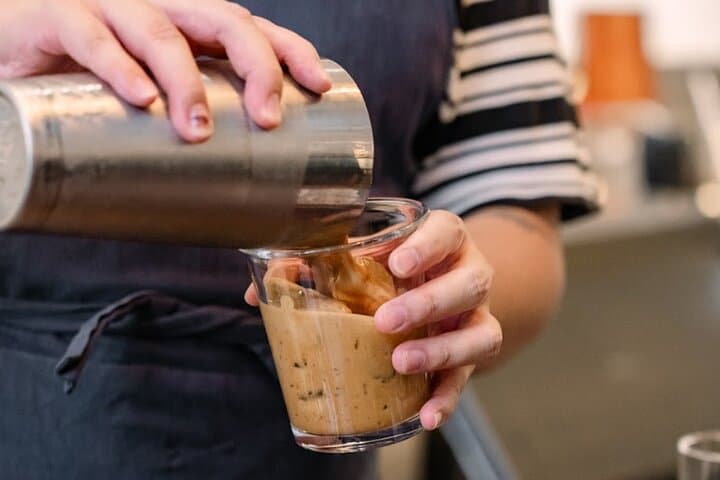
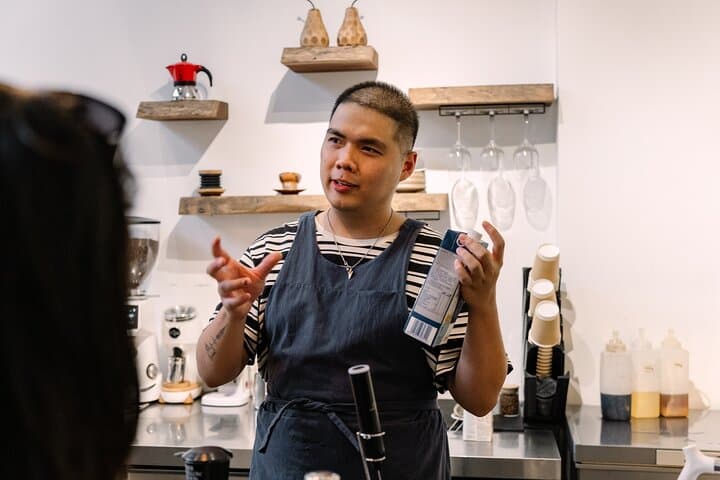
In this 45-minute workshop in Sài Gòn, an English-speaking coffee guide leads small groups through the classic Vietnamese egg coffee technique: strong, locally roasted coffee folded beneath a frothy, sweetened egg yolk foam. The format is brisk — a short cultural primer, a guided making session, and time for questions and a certificate at the end.
Coffee in Vietnam traces back to French colonial plantations in the 19th century; the egg coffee itself was invented in Hanoi in the 1940s as a creamy substitute when fresh milk was scarce. Today, the drink is a national curiosity that highlights robusta-heavy Vietnamese beans and local sweeteners.
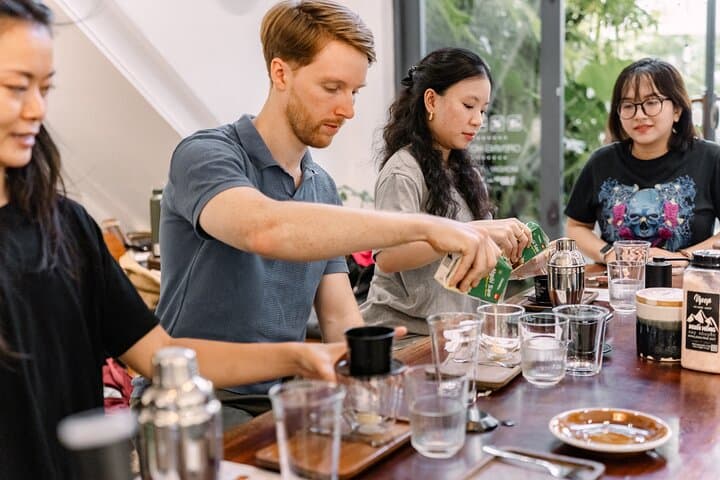
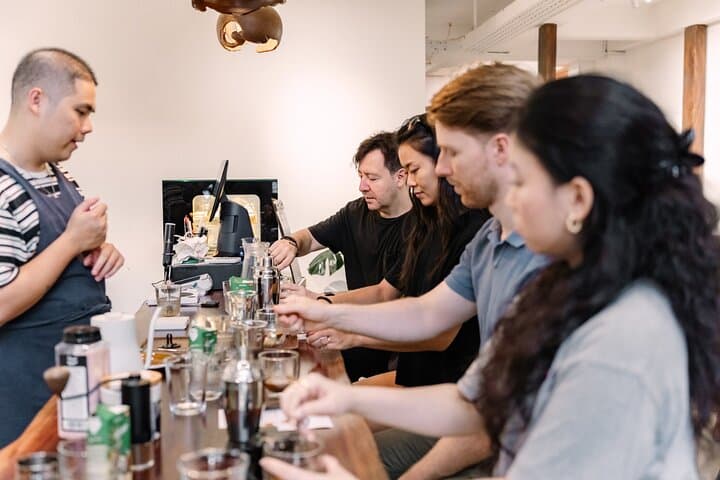
Expect an indoor, communal table setup with all ingredients provided: ground coffee, egg yolks, condensed milk, and a small stovetop setup or electric whisk. The learning curve is low — the challenge is achieving the right foam consistency and balancing bitterness with sweetness.
Practical tips: arrive with comfortable shoes and a light jacket for air-conditioned rooms; bring a phone or camera for step photos; note the class isn’t recommended for pregnant guests or those with certain heart conditions. Public transit access is common in District 1 areas where these classes typically run.
Leave with a printed recipe card, a certificate, and the confidence to recreate a Hanoi-born specialty at home.
easy.
45 minutes.
No special fitness required; participants should be able to stand for short periods and handle light kitchen tasks.
The session is 45 minutes total: welcome, demo and hands-on practice, then Q&A and certificate.
No — the class is not recommended for pregnant guests due to the use of raw egg yolks in the recipe.
Yes — the workshop is designed for first-timers and focuses on basic technique and ingredient ratios.
Yes — participants receive a printed recipe card and a certificate of completion; coffee and light snacks are typically included.
Vietnamese coffee culture grew from 19th-century French plantations; egg coffee was created in Hanoi in the 1940s as a creamy alternative when fresh milk was scarce.
Choose classes and cafés that highlight responsibly sourced beans; minimizing single-use cups and asking about bean origin supports sustainable local businesses.
Saigon Social operates guided outdoor trips and adventures with an emphasis on safety, stewardship, and memorable experiences.
The room smells of dark roast and sweetened condensed milk before the guide speaks — a simple invitation that quickly becomes a hands-on lesson in texture and timing.
The room smells of dark roast and sweetened condensed milk before the guide speaks — a simple invitation that quickly becomes a hands-on lesson in texture and timing.
In this 45-minute workshop in Sài Gòn, an English-speaking coffee guide leads small groups through the classic Vietnamese egg coffee technique: strong, locally roasted coffee folded beneath a frothy, sweetened egg yolk foam. The format is brisk — a short cultural primer, a guided making session, and time for questions and a certificate at the end.
Coffee in Vietnam traces back to French colonial plantations in the 19th century; the egg coffee itself was invented in Hanoi in the 1940s as a creamy substitute when fresh milk was scarce. Today, the drink is a national curiosity that highlights robusta-heavy Vietnamese beans and local sweeteners.
Expect an indoor, communal table setup with all ingredients provided: ground coffee, egg yolks, condensed milk, and a small stovetop setup or electric whisk. The learning curve is low — the challenge is achieving the right foam consistency and balancing bitterness with sweetness.
Practical tips: arrive with comfortable shoes and a light jacket for air-conditioned rooms; bring a phone or camera for step photos; note the class isn’t recommended for pregnant guests or those with certain heart conditions. Public transit access is common in District 1 areas where these classes typically run.
Leave with a printed recipe card, a certificate, and the confidence to recreate a Hanoi-born specialty at home.