THE ADVENTURE COLLECTIVE® · Independent discovery and booking for outdoor travel

Roll up your sleeves and learn sushi technique from a local Detroit chef in this two-hour, beginner-friendly workshop. You’ll master rice, nori, knife work and three classic rolls while getting practical tips you can repeat at home.
Roll up your sleeves and learn sushi technique from a local Detroit chef in this two-hour, beginner-friendly workshop. You’ll master rice, nori, knife work and three classic rolls while getting practical tips you can repeat at home.
You step into a compact kitchen that smells faintly of toasted sesame and warm rice; beneath the hum of the extractor fan, Chef Mary lays out sheets of nori and a bowl of perfectly seasoned sushi rice. The class moves deliberately—rice cooling, knives tapping cutting boards—an urban rhythm that turns unfamiliar technique into repeatable habit.
Verified experiences and guided adventures in the surrounding area.
You step into a compact kitchen that smells faintly of toasted sesame and warm rice; beneath the hum of the extractor fan, Chef Mary lays out sheets of nori and a bowl of perfectly seasoned sushi rice. The class moves deliberately—rice cooling, knives tapping cutting boards—an urban rhythm that turns unfamiliar technique into repeatable habit.
Detroit’s food culture has shifted from classic meat-and-potatoes roots to a restless, creative scene where immigrant cuisines and local ingredients meet. Sushi here borrows that energy: modern rolls alongside careful regard for technique. Geologically, the city sits on glacial deposits; culturally, the nearby Detroit River has long been a trade corridor, bringing flavors and people together.
In two practical hours you’ll make three rolls—California, spicy tuna and shrimp tempura—learning rice seasoning, nori handling, pressure and tuck, and pro slicing tips that prevent squish. Expect hands-on practice, shared tasting, and clear demonstrations; the instructor normalizes mistakes and emphasizes safety with knives and hot oil.
Plan to arrive hungry and ready to participate. Wear closed-toe shoes and bring a notebook for tips you’ll want to repeat at home. Photography is usually welcome but follow the chef’s lead when others are working. This class is beginner-friendly: you won’t need prior experience, but basic comfort with a kitchen makes the learning curve gentler.
Whether you’re trying sushi for the first time or sharpening home skills, the takeaway is pragmatic—repeatable techniques you can practice at home—and the immediate reward of eating what you made with new confidence.
easy.
2 hours.
Minimal physical exertion; suitable for anyone comfortable standing for short periods
No—this is a beginner-friendly class that teaches rice, rolling and slicing from the ground up.
Inform the operator ahead of time about allergies or dietary needs; they may offer substitutions when possible.
Yes—class includes tasting of the rolls you prepare, typically shared at the end of the session.
Most downtown Detroit locations have street parking and nearby lots; check the confirmation message for exact directions and recommendations.
Detroit’s culinary scene has evolved from industrial-era dining to a diverse set of eateries and workshops reflecting immigration and local innovation.
Classes often emphasize reducing food waste and using responsibly sourced proteins when possible; ask the chef about sourcing if sustainability matters to you.
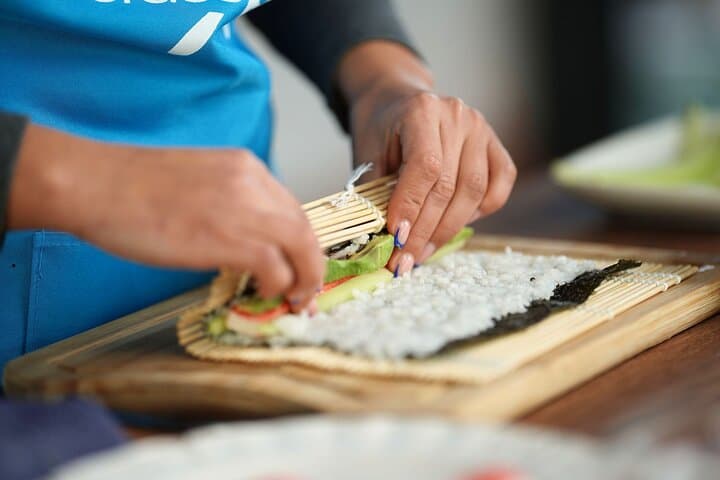
You step into a compact kitchen that smells faintly of toasted sesame and warm rice; beneath the hum of the extractor fan, Chef Mary lays out sheets of nori and a bowl of perfectly seasoned sushi rice. The class moves deliberately—rice cooling, knives tapping cutting boards—an urban rhythm that turns unfamiliar technique into repeatable habit.
You step into a compact kitchen that smells faintly of toasted sesame and warm rice; beneath the hum of the extractor fan, Chef Mary lays out sheets of nori and a bowl of perfectly seasoned sushi rice. The class moves deliberately—rice cooling, knives tapping cutting boards—an urban rhythm that turns unfamiliar technique into repeatable habit.
Detroit’s food culture has shifted from classic meat-and-potatoes roots to a restless, creative scene where immigrant cuisines and local ingredients meet. Sushi here borrows that energy: modern rolls alongside careful regard for technique. Geologically, the city sits on glacial deposits; culturally, the nearby Detroit River has long been a trade corridor, bringing flavors and people together.
In two practical hours you’ll make three rolls—California, spicy tuna and shrimp tempura—learning rice seasoning, nori handling, pressure and tuck, and pro slicing tips that prevent squish. Expect hands-on practice, shared tasting, and clear demonstrations; the instructor normalizes mistakes and emphasizes safety with knives and hot oil.
Plan to arrive hungry and ready to participate. Wear closed-toe shoes and bring a notebook for tips you’ll want to repeat at home. Photography is usually welcome but follow the chef’s lead when others are working. This class is beginner-friendly: you won’t need prior experience, but basic comfort with a kitchen makes the learning curve gentler.
Whether you’re trying sushi for the first time or sharpening home skills, the takeaway is pragmatic—repeatable techniques you can practice at home—and the immediate reward of eating what you made with new confidence.