THE ADVENTURE COLLECTIVE® · Independent discovery and booking for outdoor travel

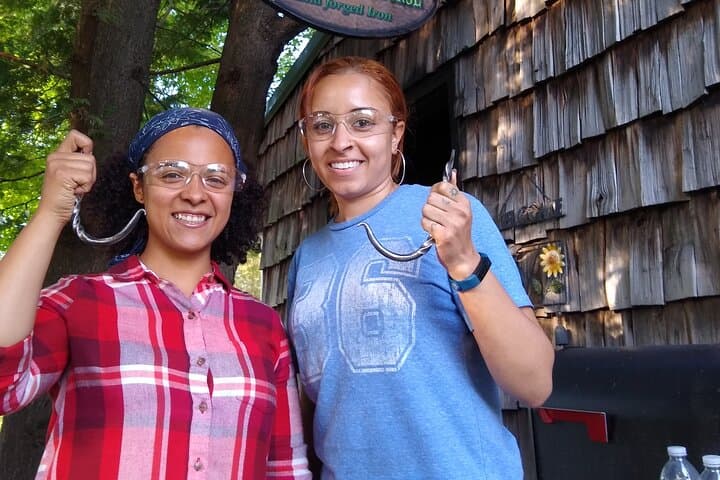
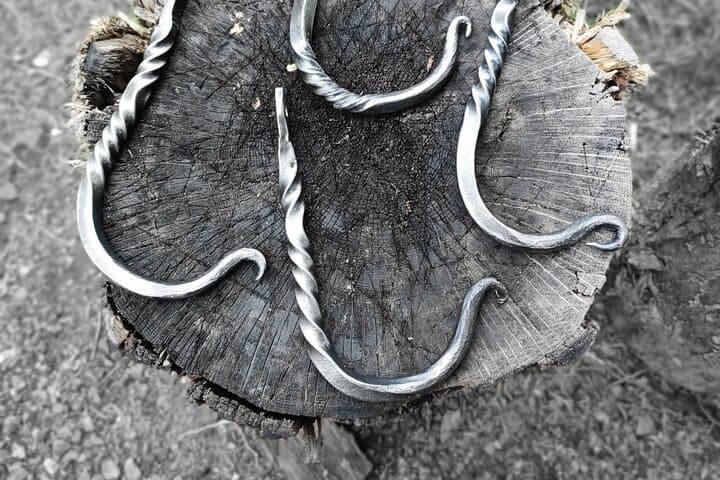
Spend two hours in a coal-fired workshop learning basic blacksmith techniques—tapering, twisting and scrolling metal—then leave with a handcrafted wall hook. This hands-on experience is ideal for travelers seeking a practical craft rooted in northern Michigan heritage.
Spend two hours in a coal-fired workshop learning basic blacksmith techniques—tapering, twisting and scrolling metal—then leave with a handcrafted wall hook. This hands-on experience is ideal for travelers seeking a practical craft rooted in northern Michigan heritage.
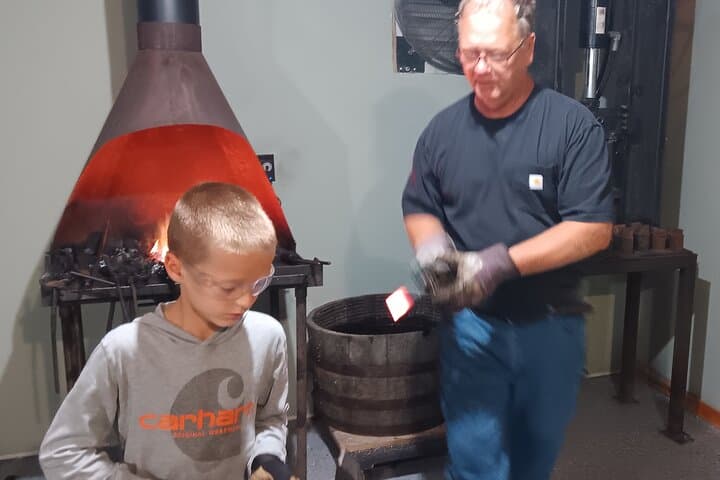
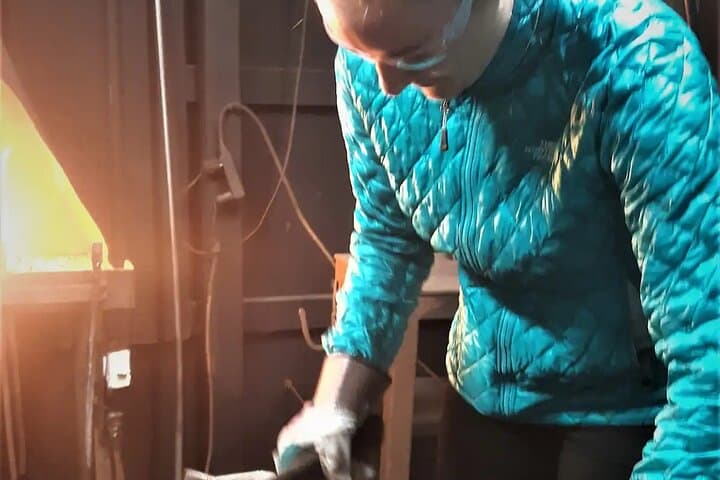
You step into the workshop and the first thing you notice is heat—bright orange at the forge throat, dull and humming metal on the anvil. Mike moves with calm authority, coaching as you lift the hammer, guiding your rhythm as the steel yields. In two hours you'll take a length of iron from raw heat to a finished wall hook stamped with your hand.
Verified experiences and guided adventures in the surrounding area.
Operated by LLForge · Petoskey, Michigan
You step into the workshop and the first thing you notice is heat—bright orange at the forge throat, dull and humming metal on the anvil. Mike moves with calm authority, coaching as you lift the hammer, guiding your rhythm as the steel yields. In two hours you'll take a length of iron from raw heat to a finished wall hook stamped with your hand.
Blacksmithing in Michigan has deep practical roots: 19th-century logging camps and lakeside communities relied on local smiths to keep tools, ships and wagons running. The craft here blends that pragmatic history with a maker culture that values reclaimed steel and hands-on learning.
The class centers on a coal-fired forge and classic blacksmith techniques—tapering, twisting, drifting, scrolling and flattening. The result is a decorative yet functional wall hook you can hang at home. Expect standing work, repetitive hammering, and a lean, focused tempo where sparks and breath set the scene.
Practical notes: sessions last roughly two hours, tools and materials are provided, and the instructor completes safety orientation before you strike. Wear long pants and closed-toe shoes, bring a reusable water bottle, and plan for a brisk hand workout rather than cardio. This is an accessible introduction—no prior metalworking skills required—but the class asks for moderate fitness and no pregnancy, serious back or heart issues due to heat and physical exertion.
For travelers staying in Petoskey or nearby Harbor Springs, the workshop is an efficient day activity that pairs well with shoreline walks or a visit to local craft shops. Come ready to hammer, listen, and leave with a small piece of iron you made yourself.
moderate.
2 hours.
Able to stand for two hours and perform repeated upper-body, moderate-intensity work; basic coordination helps.
No prior blacksmithing experience is required; the instructor teaches basic techniques and supervises each step.
Most guests forge a single decorative wall hook—tapered, twisted, scrolled and finished with a clear lacquer for immediate use.
Booking asks for age information; participants should have moderate fitness and no serious back, heart or pregnancy-related restrictions due to heat and physical exertion.
Full refunds are available if you cancel at least 24 hours before the scheduled start time; no refund within 24 hours.
Blacksmithing played a practical role in northern Michigan’s logging and maritime economies during the 19th century, supplying tools and hardware for industries and homes.
Many small forges in the region use reclaimed or scrap steel and follow strict disposal and ventilation practices to minimize environmental impact and protect indoor air quality.
LLForge operates guided outdoor trips and adventures with an emphasis on safety, stewardship, and memorable experiences.
You step into the workshop and the first thing you notice is heat—bright orange at the forge throat, dull and humming metal on the anvil. Mike moves with calm authority, coaching as you lift the hammer, guiding your rhythm as the steel yields. In two hours you'll take a length of iron from raw heat to a finished wall hook stamped with your hand.
You step into the workshop and the first thing you notice is heat—bright orange at the forge throat, dull and humming metal on the anvil. Mike moves with calm authority, coaching as you lift the hammer, guiding your rhythm as the steel yields. In two hours you'll take a length of iron from raw heat to a finished wall hook stamped with your hand.
Blacksmithing in Michigan has deep practical roots: 19th-century logging camps and lakeside communities relied on local smiths to keep tools, ships and wagons running. The craft here blends that pragmatic history with a maker culture that values reclaimed steel and hands-on learning.
The class centers on a coal-fired forge and classic blacksmith techniques—tapering, twisting, drifting, scrolling and flattening. The result is a decorative yet functional wall hook you can hang at home. Expect standing work, repetitive hammering, and a lean, focused tempo where sparks and breath set the scene.
Practical notes: sessions last roughly two hours, tools and materials are provided, and the instructor completes safety orientation before you strike. Wear long pants and closed-toe shoes, bring a reusable water bottle, and plan for a brisk hand workout rather than cardio. This is an accessible introduction—no prior metalworking skills required—but the class asks for moderate fitness and no pregnancy, serious back or heart issues due to heat and physical exertion.
For travelers staying in Petoskey or nearby Harbor Springs, the workshop is an efficient day activity that pairs well with shoreline walks or a visit to local craft shops. Come ready to hammer, listen, and leave with a small piece of iron you made yourself.