THE ADVENTURE COLLECTIVE® · Independent discovery and booking for outdoor travel

Step onto the platform, swing, and fly: Santa Barbara’s recreational trapeze classes turn newcomers into airborne students over a focused two-hour session. Learn what to expect, safety basics, and how to prepare for a confident first flight.
Step onto the platform, swing, and fly: Santa Barbara’s recreational trapeze classes turn newcomers into airborne students over a focused two-hour session. Learn what to expect, safety basics, and how to prepare for a confident first flight.
The bar creaks, the rigging hums, and the Pacific breeze tugs at your hair as you step onto the platform—this is Santa Barbara’s flying trapeze in live action. For two hours you trade flat-ground routine for the simple physics of swing, release and catch, guided by instructors who break complex moves into repeatable steps. The experience lives somewhere between gym training and an old-school circus practice, with the ocean visible beyond the practice nets on clear days.
Verified experiences and guided adventures in the surrounding area.
Operated by Santa Barbara Trapeze Co. · Santa Barbara, California
The bar creaks, the rigging hums, and the Pacific breeze tugs at your hair as you step onto the platform—this is Santa Barbara’s flying trapeze in live action. For two hours you trade flat-ground routine for the simple physics of swing, release and catch, guided by instructors who break complex moves into repeatable steps. The experience lives somewhere between gym training and an old-school circus practice, with the ocean visible beyond the practice nets on clear days.
Trapeze in California carries a practical lineage: modern recreational trapeze evolved from circus arts popularized on the West Coast in the mid-20th century. Santa Barbara’s coastline and steady coastal winds create a bright, exposed training environment; the local culture values active outdoorsmanship, so aerial arts sit naturally alongside surfing and hiking here. The rigging uses standard steel cable and safety harness systems; instructors emphasize body alignment, core engagement and timing rather than raw strength.
Expect instruction that begins on the ground, progresses to the swing, then to the jump and catch—each move practiced repeatedly with spotting and harness systems in place. Classes welcome beginners and children 4+, but speak up about injuries or pregnancy restrictions.
Practical guidance: wear fitted athletic clothes and closed-toe shoes, remove jewelry, and arrive 10 minutes early to sign waivers. Hydrate, and plan soreness the next day—this is a full-body workout focusing on grip and back muscles. Book in advance for weekend slots; the operation provides water and a T‑shirt. For a high-adrenaline, low-technical-entry aerial day, this two-hour session is both a physical challenge and a sharply focused lesson in timing, trust and momentum.
moderate.
2 hours.
Suitable for most fitness levels but requires basic upper-body strength, core stability, and no recent spinal or cardiovascular issues
No—these are open-level classes designed for beginners through experienced flyers; instructors start with ground drills and progress safely.
Participants as young as 4 are accepted, but guardians should confirm class suitability for young children and notify staff of any special needs.
Not recommended for people with spinal injuries, pregnancy, or serious cardiovascular issues; disclose any conditions during booking.
Wear fitted athletic clothing and closed-toe shoes, remove jewelry, bring a water bottle, and arrive 5–10 minutes early for check-in.
Recreational trapeze grew from circus and aerial arts traditions; community trapeze schools on the U.S. West Coast adapted those techniques into accessible two-hour public classes.
Operators typically work outdoors with minimal footprint; be mindful of coastal trash and follow leave-no-trace principles when visiting nearby beaches.
Santa Barbara Trapeze Co. operates guided outdoor trips and adventures with an emphasis on safety, stewardship, and memorable experiences.
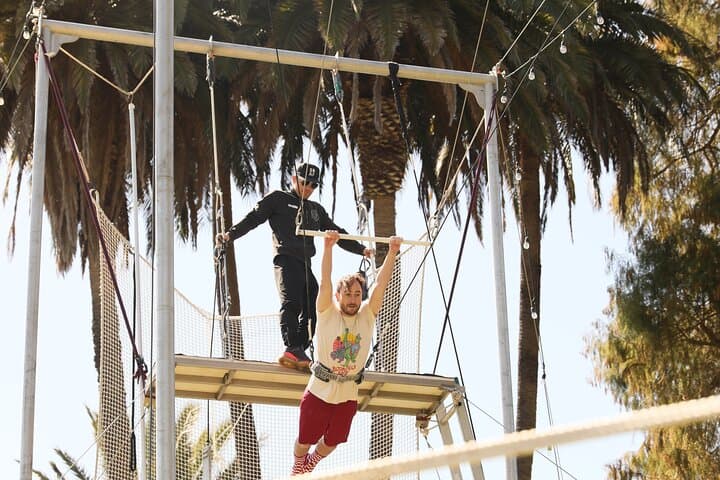
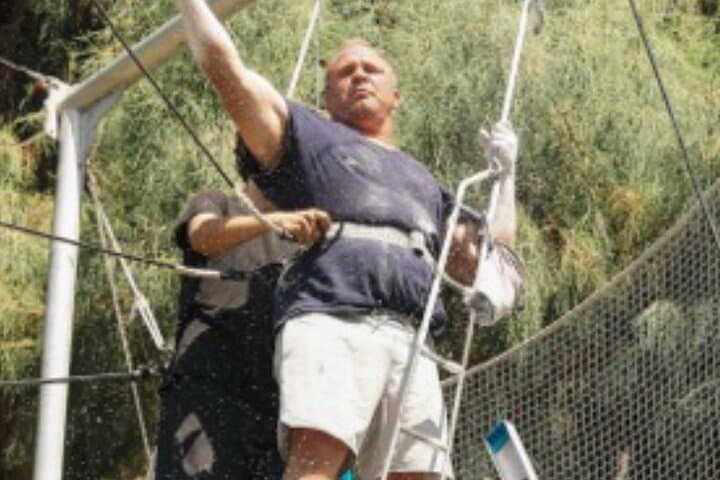
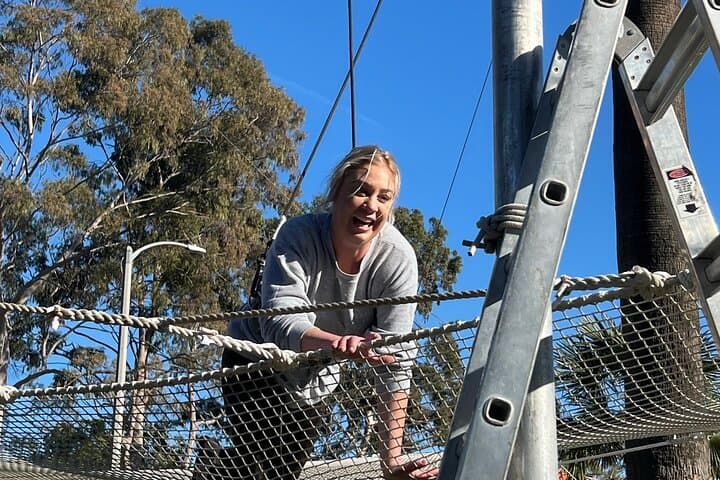
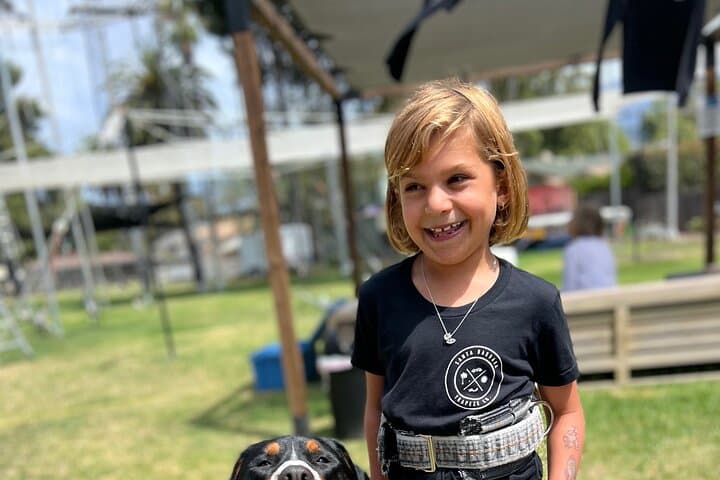
The bar creaks, the rigging hums, and the Pacific breeze tugs at your hair as you step onto the platform—this is Santa Barbara’s flying trapeze in live action. For two hours you trade flat-ground routine for the simple physics of swing, release and catch, guided by instructors who break complex moves into repeatable steps. The experience lives somewhere between gym training and an old-school circus practice, with the ocean visible beyond the practice nets on clear days.
The bar creaks, the rigging hums, and the Pacific breeze tugs at your hair as you step onto the platform—this is Santa Barbara’s flying trapeze in live action. For two hours you trade flat-ground routine for the simple physics of swing, release and catch, guided by instructors who break complex moves into repeatable steps. The experience lives somewhere between gym training and an old-school circus practice, with the ocean visible beyond the practice nets on clear days.
Trapeze in California carries a practical lineage: modern recreational trapeze evolved from circus arts popularized on the West Coast in the mid-20th century. Santa Barbara’s coastline and steady coastal winds create a bright, exposed training environment; the local culture values active outdoorsmanship, so aerial arts sit naturally alongside surfing and hiking here. The rigging uses standard steel cable and safety harness systems; instructors emphasize body alignment, core engagement and timing rather than raw strength.
Expect instruction that begins on the ground, progresses to the swing, then to the jump and catch—each move practiced repeatedly with spotting and harness systems in place. Classes welcome beginners and children 4+, but speak up about injuries or pregnancy restrictions.
Practical guidance: wear fitted athletic clothes and closed-toe shoes, remove jewelry, and arrive 10 minutes early to sign waivers. Hydrate, and plan soreness the next day—this is a full-body workout focusing on grip and back muscles. Book in advance for weekend slots; the operation provides water and a T‑shirt. For a high-adrenaline, low-technical-entry aerial day, this two-hour session is both a physical challenge and a sharply focused lesson in timing, trust and momentum.