THE ADVENTURE COLLECTIVE® · Independent discovery and booking for outdoor travel

Spend two hands-on hours mastering paella with Chef Kevin in Denver. This beginner-friendly class covers technique, cultural context, and a finished pan you’ll be proud to serve.
Spend two hands-on hours mastering paella with Chef Kevin in Denver. This beginner-friendly class covers technique, cultural context, and a finished pan you’ll be proud to serve.
The heat of the pan lifts golden threads of saffron into the room as guests lean in, spatulas poised. In Chef Kevin’s bright Denver studio, laughter and quick instructions overlay the steady hiss of rice meeting broth; by the end of the two-hour session you’ll lift a shallow pan of paella that looks — and smells — unmistakably Spanish.
Verified experiences and guided adventures in the surrounding area.
Operated by Classpop! · Denver, Colorado
The heat of the pan lifts golden threads of saffron into the room as guests lean in, spatulas poised. In Chef Kevin’s bright Denver studio, laughter and quick instructions overlay the steady hiss of rice meeting broth; by the end of the two-hour session you’ll lift a shallow pan of paella that looks — and smells — unmistakably Spanish.
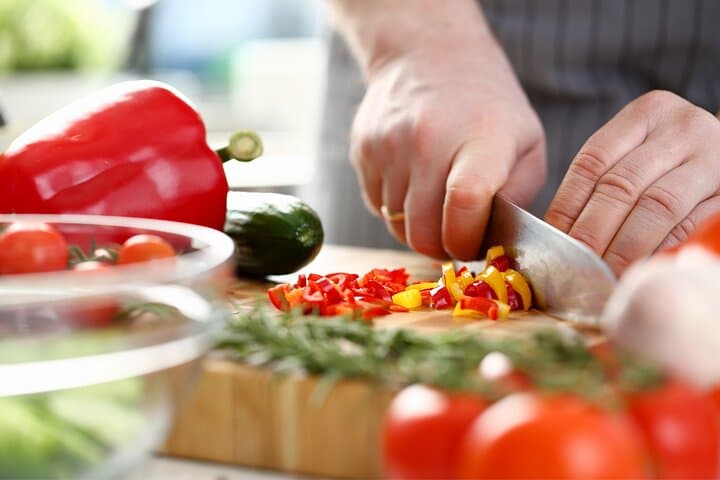
Paella began on the flat coastal plains of Valencia where rice, locally grown and seasoned with saffron, became a communal meal for farmworkers. The class traces that lineage while translating it for Colorado cooks: what to expect from short-grain rice, how to coax a socarrat (the caramelized crust) without burning, and how regional ingredients — from bell peppers to local chicken — reshape a traditional recipe.
The studio sits in an urban neighborhood of Denver, where the city’s food scene borrows from global kitchens and values seasonal, local produce. Expect hands-on instruction, small-group pacing suitable for beginners, and a cultural primer on meal timing and presentation.
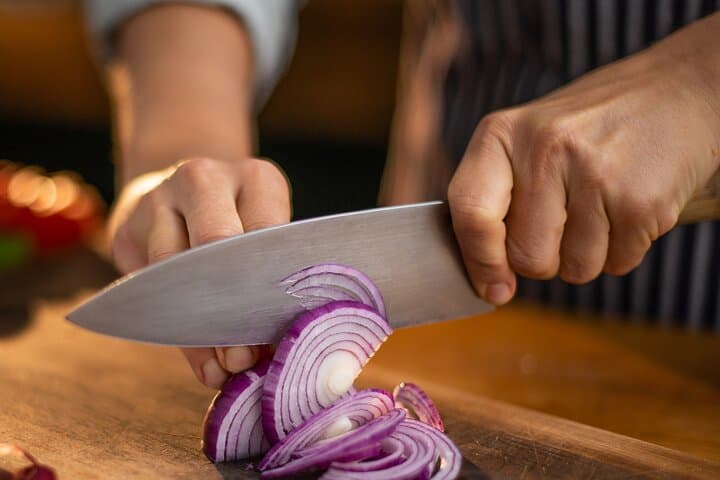
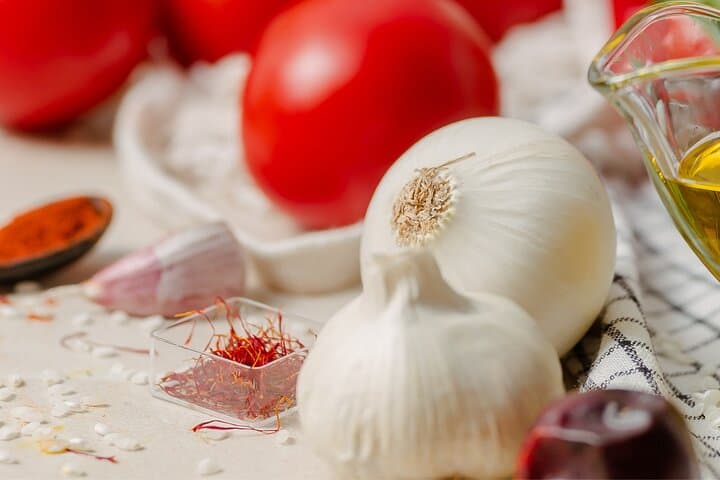
Practical guidance: arrive 10–15 minutes early, bring any allergy notes in advance, and plan for a 2-hour window. Wear closed-toe shoes and clothes you don’t mind splattering; the host supplies knives, pans and ingredients. If you want to repeat the dish at home, ask about rice-to-liquid ratios and where to source Spanish saffron or smoked paprika locally.
This is an accessible, social culinary experience that blends practical technique with a tangible connection to Spain’s coastal rice traditions.
easy.
2 hours.
Light activity — you should be comfortable standing and moving in a kitchen for two hours
Yes — the session is designed for first-timers and focuses on technique, timing and ingredient selection.
Yes — note allergies or dietary needs when booking and the host will advise on substitutions where possible.
Full refund is available if you cancel at least 24 hours before the class; less than 24 hours is not refundable per the booking policy.
Yes — the listing indicates wheelchair and stroller accessibility and the studio is designed to accommodate mobility needs.
Paella originated in Valencia as a communal field dish cooked over open fires; saffron and rice were central to regional identity and trade.
Choose classes that prioritize local, seasonal produce to reduce food miles; ask about how the studio handles food waste and recycling.
Classpop! operates guided outdoor trips and adventures with an emphasis on safety, stewardship, and memorable experiences.
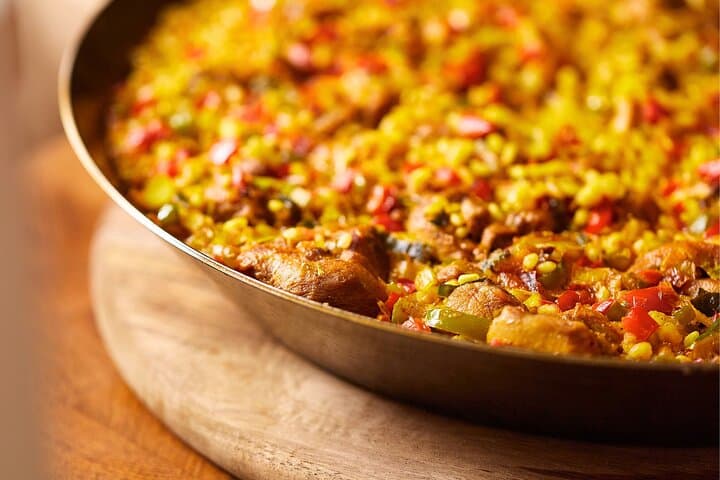
The heat of the pan lifts golden threads of saffron into the room as guests lean in, spatulas poised. In Chef Kevin’s bright Denver studio, laughter and quick instructions overlay the steady hiss of rice meeting broth; by the end of the two-hour session you’ll lift a shallow pan of paella that looks — and smells — unmistakably Spanish.
The heat of the pan lifts golden threads of saffron into the room as guests lean in, spatulas poised. In Chef Kevin’s bright Denver studio, laughter and quick instructions overlay the steady hiss of rice meeting broth; by the end of the two-hour session you’ll lift a shallow pan of paella that looks — and smells — unmistakably Spanish.
Paella began on the flat coastal plains of Valencia where rice, locally grown and seasoned with saffron, became a communal meal for farmworkers. The class traces that lineage while translating it for Colorado cooks: what to expect from short-grain rice, how to coax a socarrat (the caramelized crust) without burning, and how regional ingredients — from bell peppers to local chicken — reshape a traditional recipe.
The studio sits in an urban neighborhood of Denver, where the city’s food scene borrows from global kitchens and values seasonal, local produce. Expect hands-on instruction, small-group pacing suitable for beginners, and a cultural primer on meal timing and presentation.
Practical guidance: arrive 10–15 minutes early, bring any allergy notes in advance, and plan for a 2-hour window. Wear closed-toe shoes and clothes you don’t mind splattering; the host supplies knives, pans and ingredients. If you want to repeat the dish at home, ask about rice-to-liquid ratios and where to source Spanish saffron or smoked paprika locally.
This is an accessible, social culinary experience that blends practical technique with a tangible connection to Spain’s coastal rice traditions.