THE ADVENTURE COLLECTIVE® · Independent discovery and booking for outdoor travel

Learn practical Thai foot reflexology in a one-hour, hands-on course at Samui Spa School in Bophut. Small classes combine demonstration, practice, and cultural context—ideal for travelers wanting a compact, usable skill.
Learn practical Thai foot reflexology in a one-hour, hands-on course at Samui Spa School in Bophut. Small classes combine demonstration, practice, and cultural context—ideal for travelers wanting a compact, usable skill.
Stepping into Samui Spa School, the first thing that meets you is a warm cup of herbal tea and the faint citrus of lemongrass—small rituals that set the pace for a hands-on hour of focused learning.
Verified experiences and guided adventures in the surrounding area.
Operated by Samui Spa School - Massage and Spa School, Ko Samui · Bophut, Surat Thani
Stepping into Samui Spa School, the first thing that meets you is a warm cup of herbal tea and the faint citrus of lemongrass—small rituals that set the pace for a hands-on hour of focused learning.
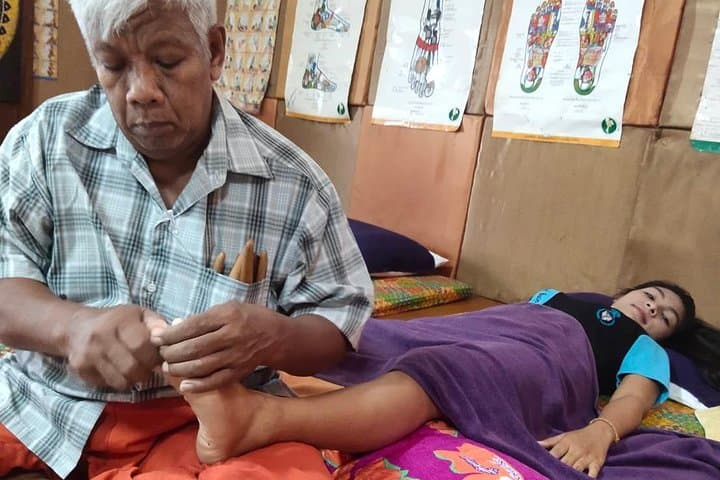
The one-hour Foot Massage Course in Bophut introduces students to traditional Thai foot reflexology techniques used for generations in southern Thailand. The method blends pressure-point work with gentle stretches, drawing on cultural practices tied to local wellness and hospitality. Koh Samui’s limestone geology and tropical climate shaped local remedies—coconut oil and herbal compresses remain staples in treatments here.
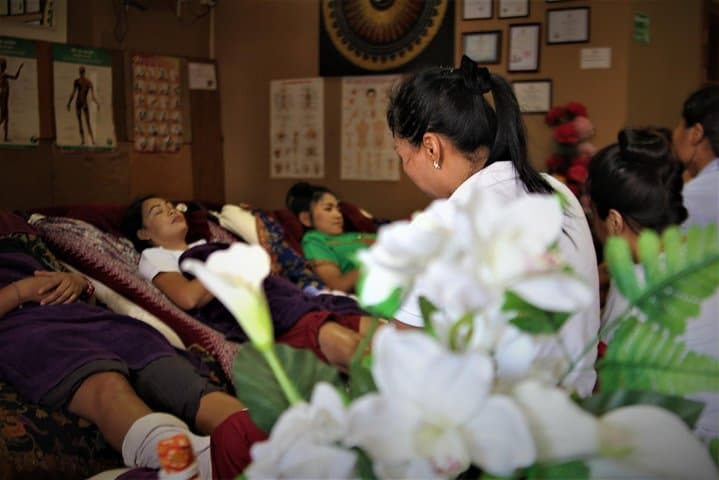
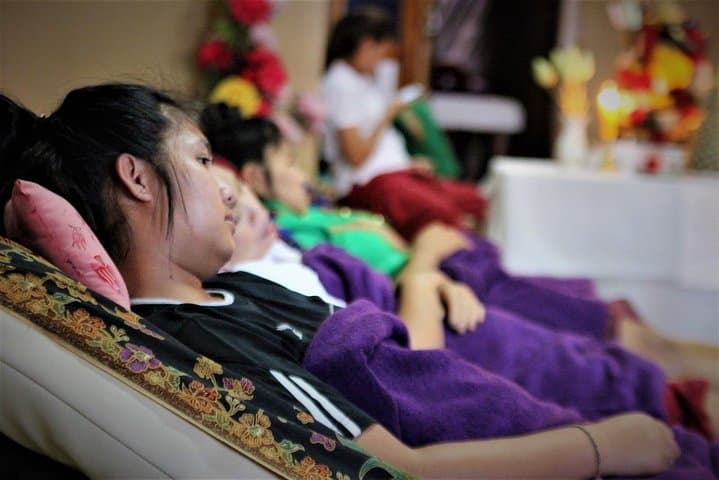
Class size is small and practical: expect a brief theory segment, live demonstrations, and supervised practice. The room is typically cool and quiet; therapists coach hand placement, pressure modulation, and client communication—skills designed for hospitality settings as much as personal care.
Practical advice: wear loose, mid-calf trousers and short sleeves so you can practice comfortably; arrive hydrated and without heavy lotions on your feet. This course is not therapy for medical conditions—participants with recent surgery, heart issues, or pregnancy are advised to avoid hands-on practice.
Timing matters—book morning sessions to beat the market crowds in Fisherman’s Village afterward, or take an afternoon class followed by a seaside walk. Bring a small notebook for techniques, and plan to practice; the course gives a solid foundation, but competence comes from repetition. For travelers seeking a compact cultural skill to bring home, this is an accessible, well-focused introduction to Thai foot massage.
easy.
1 hour.
No special fitness required; light mobility for kneeling and seated practice is helpful
No—this is an introductory course designed for beginners; instructors will demonstrate and supervise practice.
The one-hour course provides foundational skills but is not a professional qualification; inquire with the school about extended certification programs.
Participants with recent surgeries, serious cardiovascular issues, spinal injuries or pregnancy are advised not to perform hands-on practice; inform staff when booking.
Yes—students are typically provided with linens, basic oils, and herbal teas as part of the session.
Foot reflexology in Thailand draws from Ayurvedic and traditional Southeast Asian healing practices; Koh Samui’s wellness scene emerged alongside its hospitality industry in the late 20th century.
Choose products and schools that use locally sourced herbs and sustainable coconut oil; support small businesses that follow waste-reduction practices.
Samui Spa School - Massage and Spa School, Ko Samui operates guided outdoor trips and adventures with an emphasis on safety, stewardship, and memorable experiences.

Stepping into Samui Spa School, the first thing that meets you is a warm cup of herbal tea and the faint citrus of lemongrass—small rituals that set the pace for a hands-on hour of focused learning.
Stepping into Samui Spa School, the first thing that meets you is a warm cup of herbal tea and the faint citrus of lemongrass—small rituals that set the pace for a hands-on hour of focused learning.
The one-hour Foot Massage Course in Bophut introduces students to traditional Thai foot reflexology techniques used for generations in southern Thailand. The method blends pressure-point work with gentle stretches, drawing on cultural practices tied to local wellness and hospitality. Koh Samui’s limestone geology and tropical climate shaped local remedies—coconut oil and herbal compresses remain staples in treatments here.
Class size is small and practical: expect a brief theory segment, live demonstrations, and supervised practice. The room is typically cool and quiet; therapists coach hand placement, pressure modulation, and client communication—skills designed for hospitality settings as much as personal care.
Practical advice: wear loose, mid-calf trousers and short sleeves so you can practice comfortably; arrive hydrated and without heavy lotions on your feet. This course is not therapy for medical conditions—participants with recent surgery, heart issues, or pregnancy are advised to avoid hands-on practice.
Timing matters—book morning sessions to beat the market crowds in Fisherman’s Village afterward, or take an afternoon class followed by a seaside walk. Bring a small notebook for techniques, and plan to practice; the course gives a solid foundation, but competence comes from repetition. For travelers seeking a compact cultural skill to bring home, this is an accessible, well-focused introduction to Thai foot massage.