THE ADVENTURE COLLECTIVE® · Independent discovery and booking for outdoor travel

Learn tamasudare, a 400‑year‑old bamboo performance art, in a compact Kyoto workshop. This one‑hour, hands‑on session teaches the mitate technique—folding bamboo slats into surprising shapes—with step‑by‑step coaching and optional traditional garments.
Learn tamasudare, a 400‑year‑old bamboo performance art, in a compact Kyoto workshop. This one‑hour, hands‑on session teaches the mitate technique—folding bamboo slats into surprising shapes—with step‑by‑step coaching and optional traditional garments.
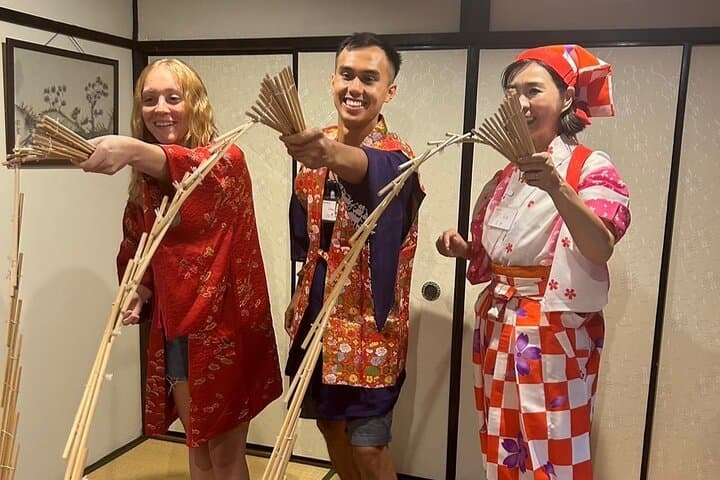
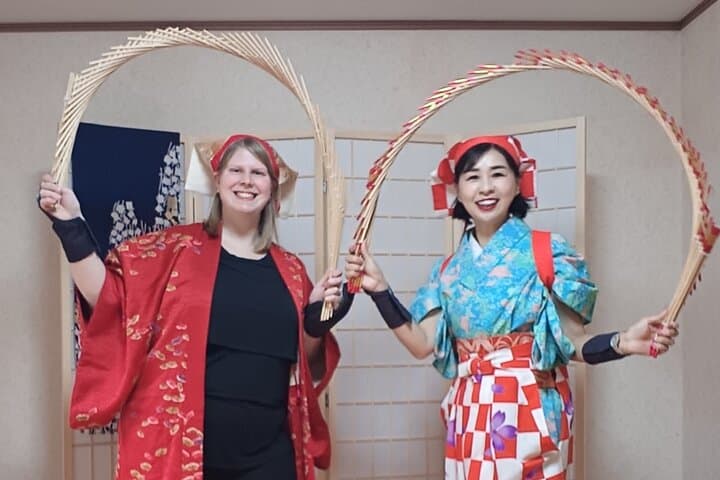
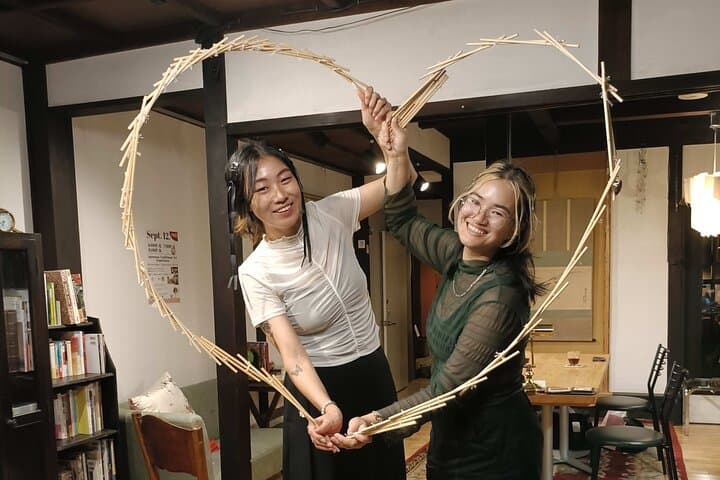
Step into a small wooden room in Kyoto and hear bamboo clicking like a cheeky companion as it folds into shapes—boats, bridges, cranes—right before your eyes.
Verified experiences and guided adventures in the surrounding area.
Operated by mika · Kyoto, Kyoto Prefecture
Step into a small wooden room in Kyoto and hear bamboo clicking like a cheeky companion as it folds into shapes—boats, bridges, cranes—right before your eyes.
Tamasudare is an old-school street performance that uses rows of thin bamboo slats manipulated to ‘become’ something else: mitate, or playful representation. The technique arrived in urban entertainment during the Edo period and has been taught in Kyoto for roughly four centuries, linking craft, rhythm, and quick hands.
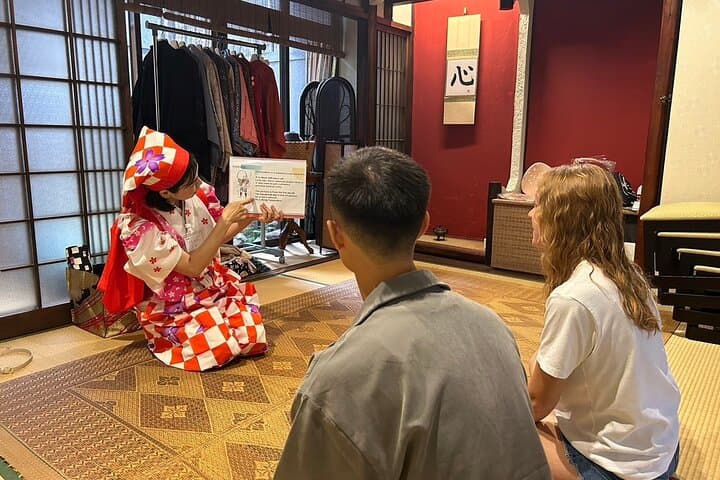
Kyoto’s compact basin and surrounding hills created the urban neighborhoods where craftsmen and performers thrived; this workshop keeps that tradition alive in a modern storefront or small studio. Expect an instructor who demonstrates slowly, then coaches you step-by-step as you learn to open, close, and phrase the movements. Costumes like a simple haori or hood are optional and deepen the cultural feel.
Practically: the session is one hour, suitable for all ages and fitness levels, and often limited to small groups so you get hands-on time with the bamboo. Public transit reaches central Kyoto easily; bring cash if you want to buy a tamasudare to take home.
Tips for getting the most from the hour: arrive on time, wear sleeves that allow wrist motion, ask for close-up guidance, and film a short clip for practice later. The experience is tactile, social, and compact—perfect as a cultural stop between temples or as a focused souvenir-making lesson.
easy.
1 hour.
Suitable for all fitness levels; requires light manual dexterity and standing or seated hand work
Yes—sessions are family friendly and designed for beginners; children should be supervised and may need assistance with finer movements.
Yes, most hosts sell small tamasudare as souvenirs and will demonstrate how to maintain them.
No experience is required; instructors teach step-by-step and adapt pacing for mixed-ability groups.
Most providers require cancellation at least 24 hours in advance for a full refund; check your booking confirmation for specifics.
Tamasudare grew during the Edo period as a street-entertainment technique that used mitate—representing things by other things—and has been preserved in Kyoto’s performance circles for centuries.
The practice highlights sustainable use of bamboo, a fast-growing local resource; support workshops that source responsibly and limit single-use packaging.
mika operates guided outdoor trips and adventures with an emphasis on safety, stewardship, and memorable experiences.
Step into a small wooden room in Kyoto and hear bamboo clicking like a cheeky companion as it folds into shapes—boats, bridges, cranes—right before your eyes.
Step into a small wooden room in Kyoto and hear bamboo clicking like a cheeky companion as it folds into shapes—boats, bridges, cranes—right before your eyes.
Tamasudare is an old-school street performance that uses rows of thin bamboo slats manipulated to ‘become’ something else: mitate, or playful representation. The technique arrived in urban entertainment during the Edo period and has been taught in Kyoto for roughly four centuries, linking craft, rhythm, and quick hands.
Kyoto’s compact basin and surrounding hills created the urban neighborhoods where craftsmen and performers thrived; this workshop keeps that tradition alive in a modern storefront or small studio. Expect an instructor who demonstrates slowly, then coaches you step-by-step as you learn to open, close, and phrase the movements. Costumes like a simple haori or hood are optional and deepen the cultural feel.
Practically: the session is one hour, suitable for all ages and fitness levels, and often limited to small groups so you get hands-on time with the bamboo. Public transit reaches central Kyoto easily; bring cash if you want to buy a tamasudare to take home.
Tips for getting the most from the hour: arrive on time, wear sleeves that allow wrist motion, ask for close-up guidance, and film a short clip for practice later. The experience is tactile, social, and compact—perfect as a cultural stop between temples or as a focused souvenir-making lesson.