THE ADVENTURE COLLECTIVE® · Independent discovery and booking for outdoor travel

Train as a TDI Sidemount Diver over two days in the Hauraki Gulf. This practical, skills-focused course mixes eLearning with three tank dives and teaches side-mounted cylinder management for technical and recreational divers.
Train as a TDI Sidemount Diver over two days in the Hauraki Gulf. This practical, skills-focused course mixes eLearning with three tank dives and teaches side-mounted cylinder management for technical and recreational divers.
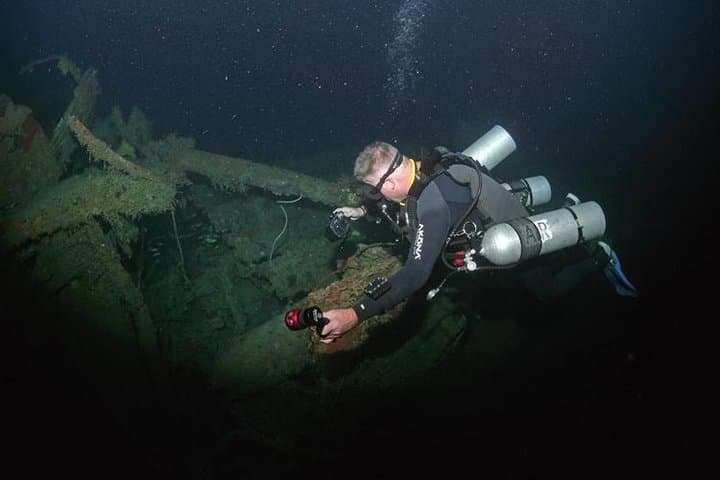
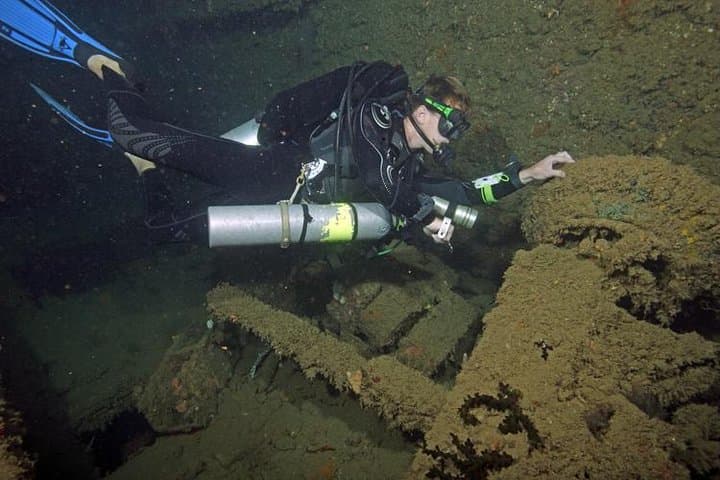
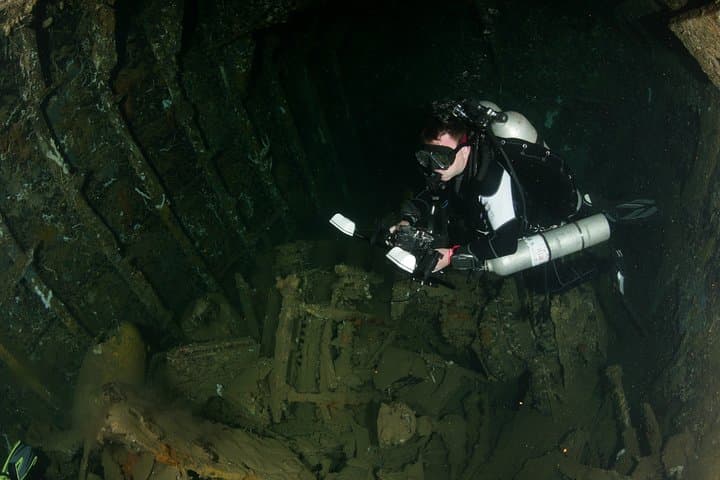
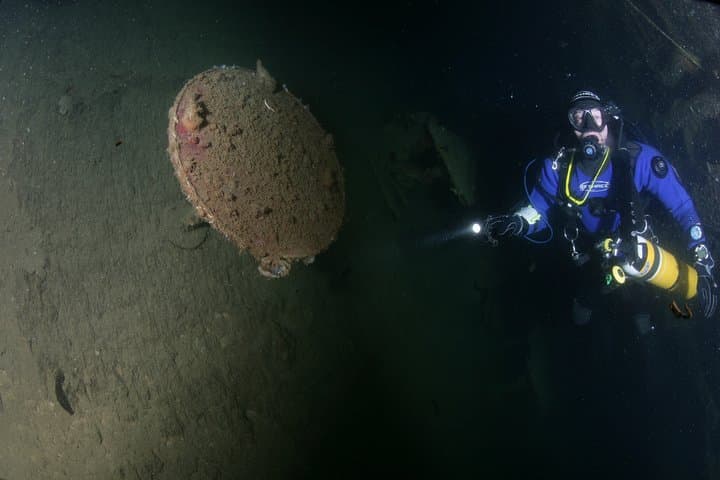
You surface from the second dive with salt in your hair and the Hauraki Gulf stretching silver toward Rangitoto. Alongside you, cylinders ride at your hips instead of your back—balanced, familiar, and suddenly liberating. That shift is the point of the two-day TDI Sidemount Diver course: to reconfigure how you move underwater and expand the sites and profiles you can manage safely.
Verified experiences and guided adventures in the surrounding area.
Operated by New Zealand Diving Ltd · Auckland, Auckland
You surface from the second dive with salt in your hair and the Hauraki Gulf stretching silver toward Rangitoto. Alongside you, cylinders ride at your hips instead of your back—balanced, familiar, and suddenly liberating. That shift is the point of the two-day TDI Sidemount Diver course: to reconfigure how you move underwater and expand the sites and profiles you can manage safely.
Auckland’s gulf has long been a seam of maritime activity—Māori voyagers navigated these waters for food and travel long before European ships charted the volcanic cones and sheltered bays. Beneath the surface, volcanic substrate and kelp gardens create varied habitats: rocky bommies, sandy channels, and wrecks that attract snapper, octopus, and the occasional ray.
The course combines online eLearning with in-water sessions: expect three tank dives, skills drills, and guided practice mounting and managing side cylinders. It’s a technical specialty from TDI, suitable as a stand-alone certification or as a complement to other open-circuit specialties. Minimum age is 18; participants must complete a medical declaration and hold at least an open-water certification.
Practical guidance: complete the pre-course eLearning and review your current certification card, arrange personal sidemount kit if you prefer it over hire, and plan no flights within 48 hours of your last dive. Bring a well-fitting exposure suit—Auckland waters run cool—and a reliable dive computer. Fitness matters: moderate cardiovascular health and basic buoyancy control will keep the learning curve manageable. With coach-led drills and local charters, the course leaves you more maneuverable, ready to explore narrow swim-throughs and longer deco-conscious profiles with confidence.
challenging.
2 days.
Moderate cardiovascular fitness and the ability to carry and manage diving cylinders; comfortable with repetitive underwater tasks.
Yes; participants must hold a current open water scuba certification and provide proof before the course.
Yes; full gear hire is listed as included or available—contact the operator ahead to reserve sidemount rentals.
The course requires a moderate fitness level for handling cylinders, surface swims, and repeated in-water skill drills; consult your doctor if you have health concerns.
Yes; successful completion awards a TDI Sidemount Diver specialty certification accepted by technical diving agencies worldwide.
The Hauraki Gulf area has long been important to Māori fishing and travel; modern dive tourism builds on a history of coastal navigation and marine stewardship.
Respect marine reserves and local no-take zones; practice neutral buoyancy to avoid damaging kelp and slow-growing invertebrates and follow charter guidelines for anchoring and waste.
New Zealand Diving Ltd operates guided outdoor trips and adventures with an emphasis on safety, stewardship, and memorable experiences.
You surface from the second dive with salt in your hair and the Hauraki Gulf stretching silver toward Rangitoto. Alongside you, cylinders ride at your hips instead of your back—balanced, familiar, and suddenly liberating. That shift is the point of the two-day TDI Sidemount Diver course: to reconfigure how you move underwater and expand the sites and profiles you can manage safely.
You surface from the second dive with salt in your hair and the Hauraki Gulf stretching silver toward Rangitoto. Alongside you, cylinders ride at your hips instead of your back—balanced, familiar, and suddenly liberating. That shift is the point of the two-day TDI Sidemount Diver course: to reconfigure how you move underwater and expand the sites and profiles you can manage safely.
Auckland’s gulf has long been a seam of maritime activity—Māori voyagers navigated these waters for food and travel long before European ships charted the volcanic cones and sheltered bays. Beneath the surface, volcanic substrate and kelp gardens create varied habitats: rocky bommies, sandy channels, and wrecks that attract snapper, octopus, and the occasional ray.
The course combines online eLearning with in-water sessions: expect three tank dives, skills drills, and guided practice mounting and managing side cylinders. It’s a technical specialty from TDI, suitable as a stand-alone certification or as a complement to other open-circuit specialties. Minimum age is 18; participants must complete a medical declaration and hold at least an open-water certification.
Practical guidance: complete the pre-course eLearning and review your current certification card, arrange personal sidemount kit if you prefer it over hire, and plan no flights within 48 hours of your last dive. Bring a well-fitting exposure suit—Auckland waters run cool—and a reliable dive computer. Fitness matters: moderate cardiovascular health and basic buoyancy control will keep the learning curve manageable. With coach-led drills and local charters, the course leaves you more maneuverable, ready to explore narrow swim-throughs and longer deco-conscious profiles with confidence.